Why this guide to top IT companies and tech hubs matters in 2026
In 2026, the world of technology moves faster than ever. Every day, new companies pop up, and old ones change. This makes it super hard to know which are the truly top IT companies to watch or work with. It’s like trying to find a special toy in a very big, messy toy store. There’s just too much information to sort through!
You might see lists everywhere: "best tech companies," "fastest growing," or "most innovative." But how do you really know what makes a company great for you? Is it their size, like the big players on the Global Top 100 companies – by market capitalisation list? Or is it how they treat their workers, like those on the Best Places to Work in IT 2026 report? And what about the best places to find these companies? Are you looking for a buzzing "tech city" or a quiet corner in "western tech" that’s also doing amazing things?
Here’s the thing: trying to make sense of all this information alone can be overwhelming.

You might spend hours looking at different rankings or news from publications like PC Magazine, only to feel more confused than when you started. That’s why this guide is so important. We cut through the noise to give you a clear, simple way to look at the landscape.
This guide will give you a smart way to figure out what really matters. We will show you how to use clear rules to look at different IT companies and the places where they thrive. This means you will learn how to pick the best places to grow your career, find great partners, or even choose new tools for your business. We want to help you make good choices, so you can pick the right companies and understand why certain tech city hubs are so important in 2026.
Staying updated with the rapidly evolving AI landscape is crucial, but it’s hard to know what information to trust.
The AI Newsletter Worth Reading delivers clear daily AI updates to your inbox, helping you cut through the noise and focus on what truly matters for your business.
How top IT companies are ranked: metrics, methodologies, and pitfalls
Picking the right companies starts with knowing how people decide which ones are "the best." There are many ways to rank top IT companies in 2026, and each method tells a different story. You might think a big company is always better, but that’s not always true. Let’s look at the common ways these companies are measured.
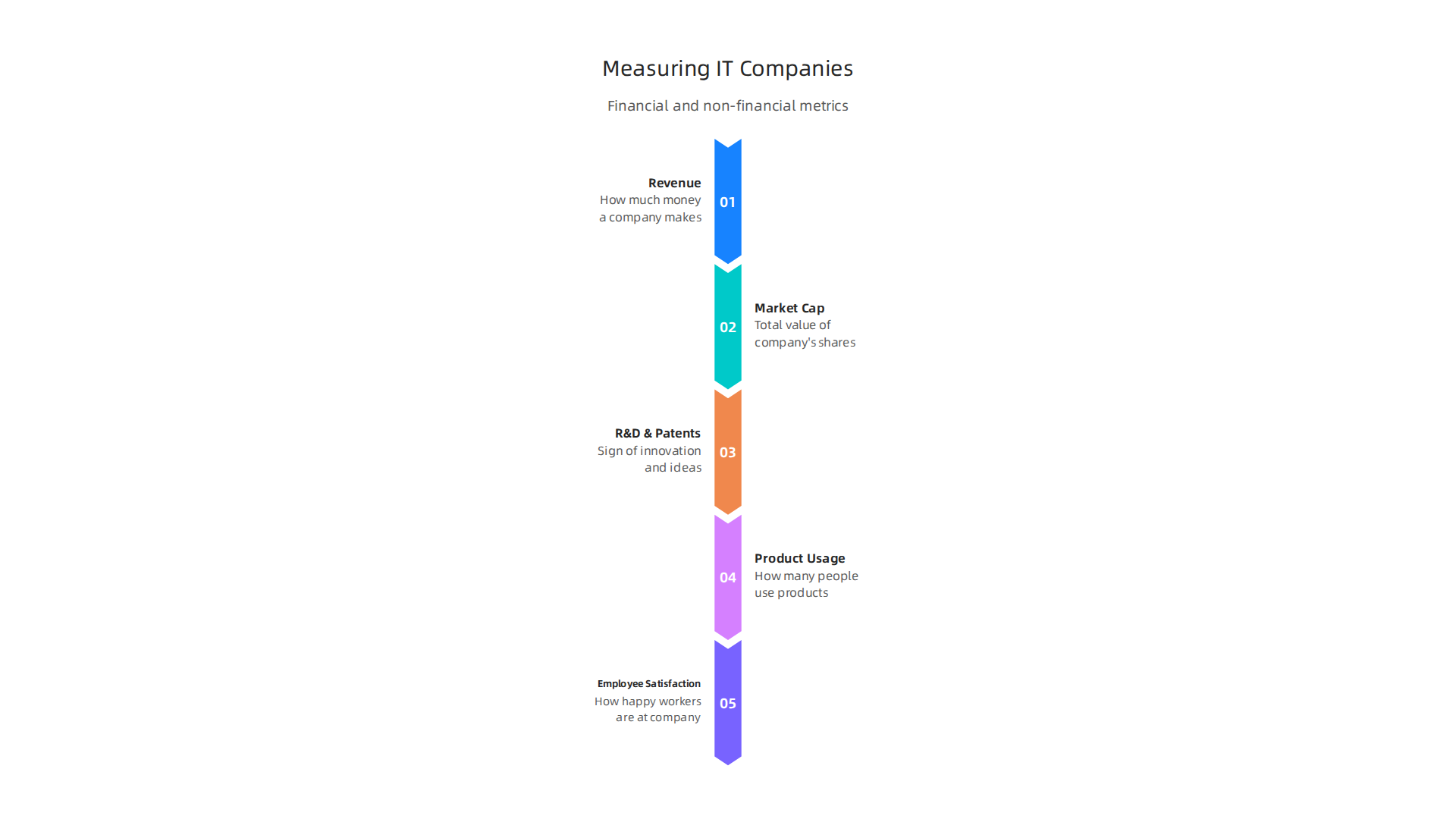
Common Ways to Measure Top IT Companies
- Revenue: This is how much money a company makes from selling its products and services. Companies with high revenue often seem strong and successful. For example, some reports show the Top 10 World’s Biggest IT Companies by Revenue in 2026. But making a lot of money doesn’t always mean a company is growing fast or is a great place to work.
- Market Capitalization: This is the total value of a company’s shares in the stock market. It tells you how much the whole company is worth to investors. A high market cap, often seen in global lists like the List of the largest software companies – Wikipedia, means investors think the company has a bright future. However, market value can change quickly based on news or feelings, not just real growth.
- Research and Development (R&D) Spend and Patents: Companies that spend a lot on R&D are often trying to create new and exciting things. This can be a sign of innovation. Companies like Samsung Electronics are leaders in filing new patents, as highlighted in the Harrity Patent Analytics Releases the 2026 Patent 300 Report. More patents often mean more new ideas and a stronger future.
- Product Usage and Developer Adoption: How many people use a company’s products? Are developers building new tools on their platforms? High usage and adoption show that a company’s technology is important and useful to many. Websites like G2 also rank Global Software Companies for 2026 based on actual user reviews and ratings.
- Employee Satisfaction: This looks at how happy workers are at a company. Happy employees often mean a better culture and more innovation.
Why One Metric Isn’t Enough
Here’s the pitfall: relying on just one of these numbers can trick you. A company might have huge revenue but low employee happiness, or a high market cap but few new ideas. For instance, a report might name a company as a "top IT company" for its financial strength, but it might not be a place where new talent wants to go. It’s like judging a book only by its cover. To truly understand, you need to look at many different things.

The Importance of Methodology
Different reports use different ways, or "methodologies," to rank companies. One report might focus on how fast a company is growing, while another might look at how well it serves its customers. For example, the 2026 Information Technology Services Cyborg Score Rankings uses a special scoring system involving expert panels. Before you trust any ranking, always try to read the "methodology" section. This part tells you how the information was gathered and what rules were used. Without understanding the rules, you might not pick the right company for your needs, whether you’re looking for a job in a busy tech city or a partner for your business in the growing western tech regions. Understanding these rules helps you make smarter choices about which companies truly lead the way.
To truly understand which companies are leading the way, we must look beyond just numbers. It’s about what these top IT companies actually do and where their special skills lie. In 2026, the tech world is wide and varied, with many kinds of businesses standing out.
Different Kinds of Leading IT Companies
Top IT companies often fall into a few main groups, each with its own strengths:
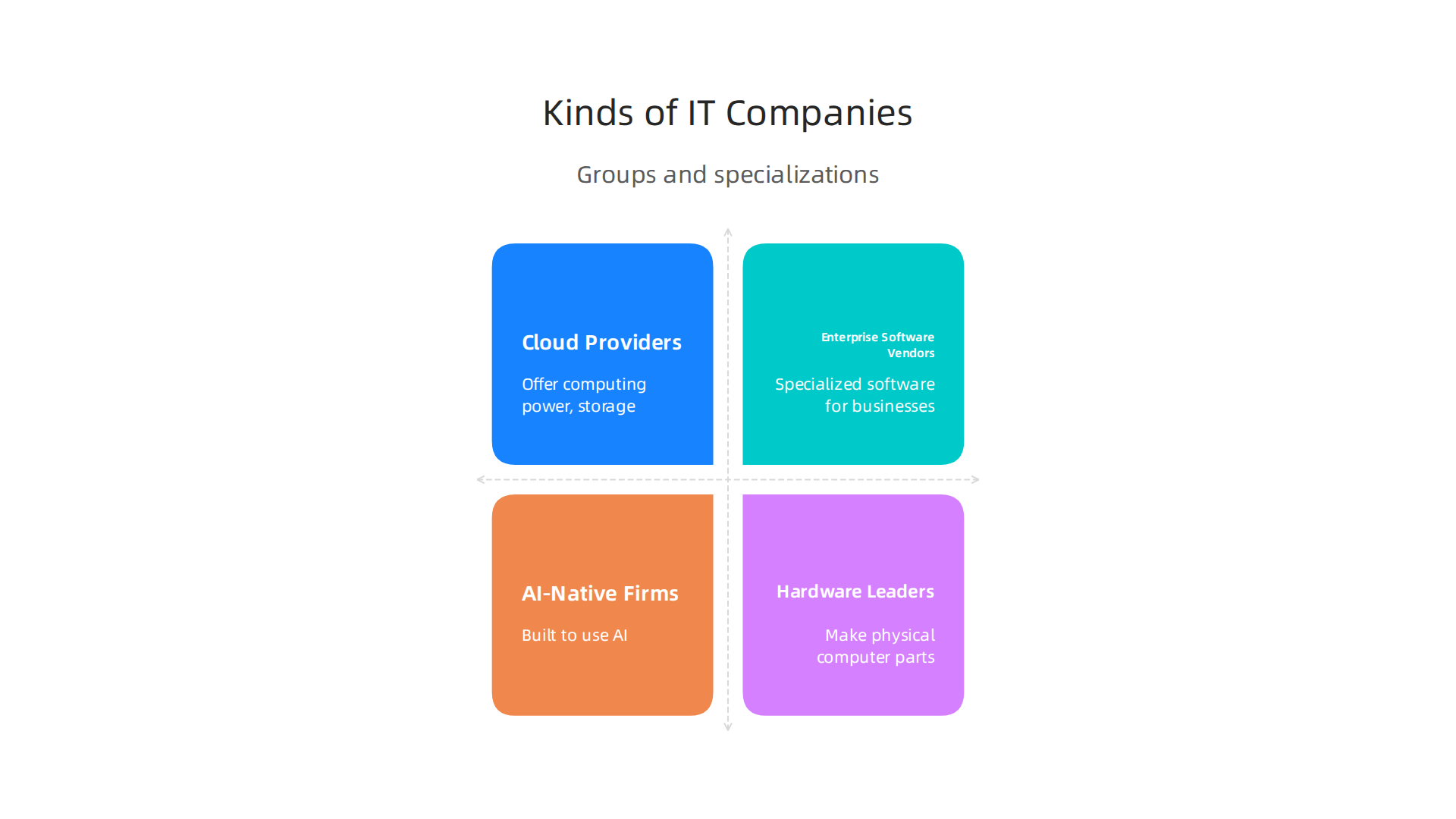
- Cloud Providers: These companies offer computing power, storage, and software over the internet. Think of them as building the very backbone of modern digital business. They let other companies run their apps and store data without owning huge computer centers. Many businesses, from small startups to large enterprises, rely on these cloud services to grow.
- Enterprise Software Vendors: These firms create specialized software programs for big businesses. This software helps companies manage things like customer relationships, accounting, and daily operations. They often focus on making existing business processes work better and faster. If you’re looking for solutions to make your business run smoothly, you’d likely turn to these vendors. Many of them are working to include enterprise AI platforms 2026 into their offerings.
- AI-Native Firms: These are newer companies built from the ground up to use artificial intelligence. Their main goal is to create smart tools and services that can learn and make decisions. These companies are pushing the limits of what AI can do, from helping with marketing to making complex data easier to understand. Reports often highlight such innovators as "leading the way" in new technology for the year, showing the strong focus on AI advancements across the industry.
- Hardware Leaders: These companies make the physical parts of computers and other tech devices. This includes everything from the chips inside your phone to the big servers in data centers. Without their constant improvements, the software and AI companies couldn’t do what they do. New advancements in AI hardware 2026 are especially important for future tech growth.
How Location Shapes Company Strengths
The place where a company grows up can really affect what it’s good at. This is called regional specialization.
- North America: Companies here often lead in cloud services and advanced AI. They focus on scaling up quickly and reaching a huge number of users. The fast-paced environment of the western tech hubs, for example, helps foster this kind of rapid growth and innovation. Many tech magazines, like PC Magazine, often cover their breakthroughs.
- Europe: In Europe, you’ll find many strong enterprise software companies. They often build very specific solutions for different industries, like manufacturing or finance. They tend to focus on deep integration and reliability, often working closely with traditional businesses.
- Asia: This region is a powerhouse for hardware making and consumer electronics. Companies here are often at the forefront of creating new gadgets and the components that power them all around the world.
Understanding these different types of companies and their regional strengths is key. For instance, a 2026 whitepaper pointed out 32 technology companies that are truly leading the way, each with their own unique focus and location contributing to their success Whitepaper: 32 Technology Companies Leading The Way In 2026. If you’re looking for a partner for your business, knowing what each type specializes in helps you pick the right fit. It means you can find a company whose core strengths match your specific needs, whether that’s building new AI tools, handling your business’s data in the cloud, or upgrading your computer hardware.
To keep up with the fast-changing world of AI and technology, there’s an easy way to get the latest news and insights. Get clear daily AI updates from The AI Newsletter Worth Reading.
After looking at different kinds of companies and where they are strong, it’s also important to know what makes a place a true "global tech hub." It’s not just about having a few big companies. A real tech city has special ingredients that help many top IT companies grow and succeed.
What Makes a Place a Real Tech Hub?
To tell a true tech hub from just a growing tech area, we look at several key things:
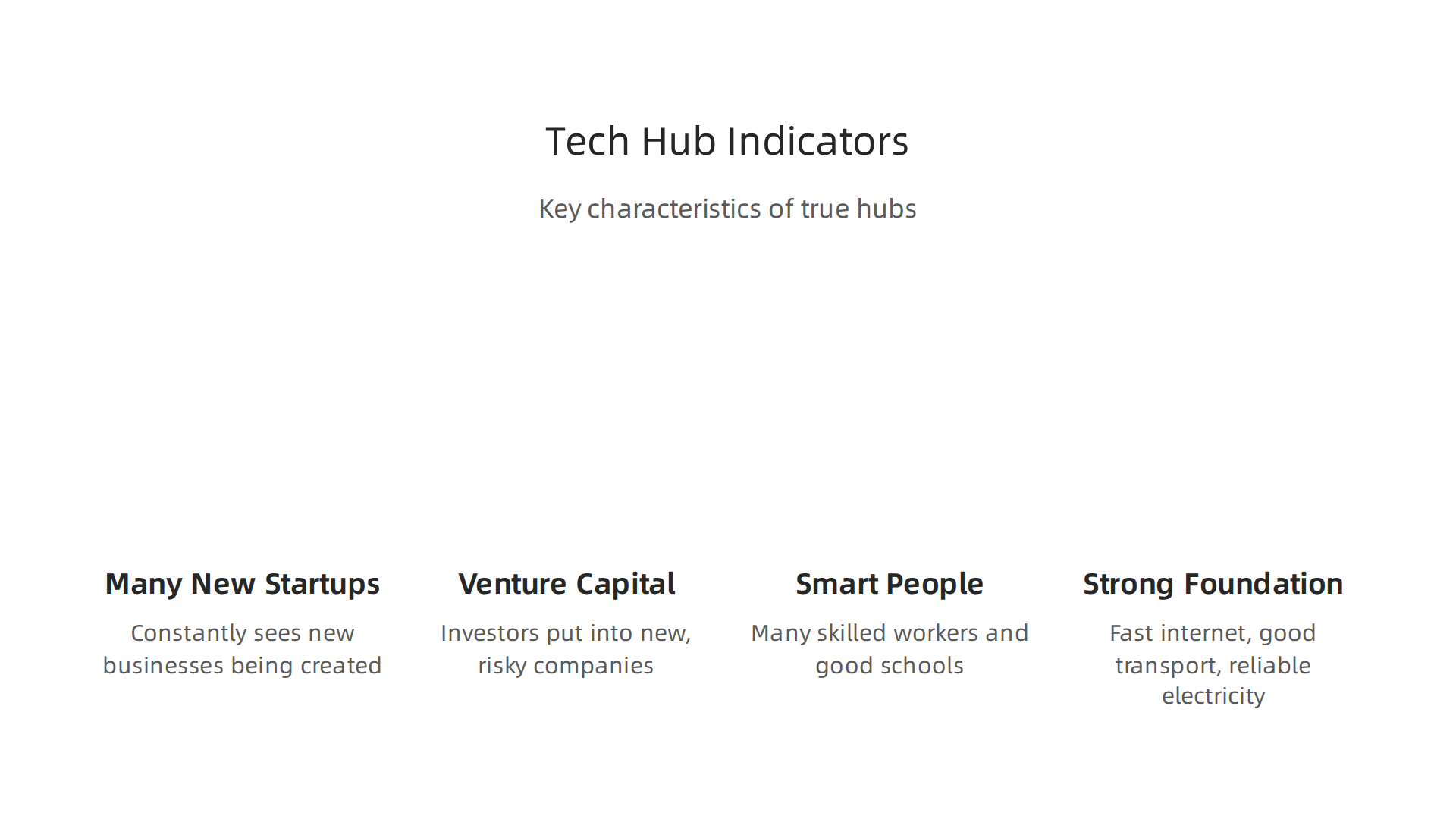
- Many New Startups: A strong tech hub constantly sees new businesses being created. This is called the startup formation rate. A lot of new companies means there are always fresh ideas and people willing to try them out. For example, reports show the number of business startups is a key sign of innovation Annual economywide business startups.
- Plenty of Venture Capital (VC) Money: This is money that investors put into new, risky tech companies because they believe those companies will grow big. When a lot of VC funding flows into a city, it shows that investors trust the ideas coming from that place. This kind of investment often makes a region a "tech cluster" Tech Clusters – Harvard Business School. In 2026, computer software firms in the U.S. continue to get a lot of this type of funding U.S. and Global Science, Technology, and Innovation Output.
- Smart People and Good Schools: A tech hub needs many skilled workers. This is called a "talent pipeline." Universities and research centers help by teaching new skills and doing advanced studies, especially in areas like AI. The number of graduates in tech subjects and how many AI courses are available are big indicators SAS AI Cities Index 2026. These institutions feed the brains into the companies that make up the tech city.
- Strong Foundation (Infrastructure): This means having fast internet, good public transport, and reliable electricity. Without these basics, even the smartest people and best ideas can’t work well.
How to Keep a Tech Hub Strong for a Long Time
Beyond these basic signs, some other things help a tech hub stay strong and grow over many years:
- Helpful Government Rules: Governments can set up rules and offer support that makes it easier for tech companies to start and succeed. This might include special programs or policies that push for new technology in different fields, like education Realising the potential of technology in education: – GOV.UK. These actions help create a good environment for innovation.
- Good Quality of Life: People who work in tech want to live in places that are enjoyable. Cities with good schools, parks, cultural events, and safe neighborhoods attract and keep talented workers. When people are happy where they live, they are more likely to stay and help the local tech scene grow. This makes a place a "talent magnet" How to turn a tech hub into a talent magnet.
These factors working together are what make places like New York City, a key player in western tech, truly stand out as global tech hubs, not just simple clusters of tech businesses Reports. It shows that a good mix of money, talent, and support is needed for a tech community to really shine.
After understanding what makes a true tech city, it’s time to look at how these ingredients mix in different parts of the world. Each major region has its own way of growing and supporting top IT companies. Let’s compare North America, Western Europe, and Asia to see where they shine and where they might need more work.
Comparing Ecosystems: North America vs Western Europe vs Asia — Strengths, Gaps, and Opportunities
When we look at global tech hubs, we see unique patterns in North America, Western Europe, and Asia. These differences can really matter for businesses choosing where to grow.
North America: The Land of Big Dreams and Big Money
North America, especially the United States, is known for its strong drive for new ideas.
- Strengths: This region has a lot of money for new companies, called venture capital, which helps many startups grow fast. There are many smart people coming from top universities, ready to work in tech. The culture also supports taking risks and trying new things. Salaries for tech workers, especially for roles like AI/ML engineers and data scientists, are projected to increase by over 4% in 2026, showing a high demand for talent here 2026 Tech and IT Salaries and Compensation Trends.
- Gaps: It can be very expensive to live and run a business in many North American tech cities. There is also very strong competition for good workers, which means companies have to work harder to keep their best people.
- Opportunities: If a company wants to start with a new, big idea and needs lots of funding, North America is often the best place. It’s great for quickly growing a business to a very large size.
Western Europe: Strong Foundations and Smart Support
Western Europe, including places like the UK, has a different kind of strength in its tech scene.
- Strengths: Governments in Western Europe often have good rules and programs to help tech companies and startups. For example, the UK has strong support for venture capital investments to help new companies UK Digital Strategy. There’s also a deep pool of skilled workers.
- Gaps: Sometimes, it can be harder for a small tech company to grow into a huge global player compared to the US. This is often called "scaling" challenges. While venture capital is present, there might be less of it than in North America.
- Opportunities: Western Europe is a great place for companies that value stable growth, good work-life balance, and strong government backing. It’s also a good stepping stone to other European markets.
Asia: Fast Growth and Huge Markets
Asia is a very diverse continent, but many of its tech hubs are growing incredibly fast.
- Strengths: Countries like Hong Kong actively promote innovation by supporting universities’ research and helping new companies get money Government promulgates Hong Kong Innovation and Technology. There’s a massive number of engineers and a huge market of customers for tech products. Many Asian economies are seeing a big increase in newly funded AI companies Economy – hai.stanford.edu.
- Gaps: Keeping talented workers can be a challenge as people might move to other regions for different opportunities. Also, understanding local customs and languages is very important for doing business successfully.
- Opportunities: For companies looking for rapid growth and access to a large number of consumers, Asia offers immense possibilities. It’s a key region for manufacturing and quickly bringing new technologies to market.
What This Means for Businesses
Knowing these differences helps companies make smart choices. If a company wants to invent something totally new and needs a lot of investment, North America might be a good fit. If they want to grow steadily with good government support, Western Europe could be ideal. And if they aim for fast growth and a huge customer base, Asia is a strong option. Choosing the right tech city for your business is a big step that shapes its future. It is also important for businesses to evaluate AI companies in these regions to make informed decisions on partnerships and investments.
To keep up with these fast-changing global tech scenes and make the best decisions for your business, staying informed is key. Get clear daily AI updates from The AI Newsletter Worth Reading.
Finding the right place for a tech business also means thinking about the people who will work there. The best tech cities don’t just have good ideas or money; they also have the best workers. Let’s look at how hiring, pay, and keeping good people are changing for top IT companies in 2026.
Talent, hiring, and salary trends shaping the top IT companies
The world of work for tech companies is always moving. In 2026, companies are seeing big shifts in who they hire, how they pay them, and how they keep them happy. This is very important for any business that wants to be one of the top IT companies.
What Kinds of Skills Are Needed?
Today, many tech firms are looking for people with special skills in areas like AI, cloud computing, and making sure computer systems are safe (cybersecurity). These skills are in high demand across many industries Your Complete Guide to Tech Sector Salaries, Hiring …. This means that companies need to find workers who can help them build new AI tools or keep their digital information safe. For example, mid-level AI engineers have seen big pay increases recently, showing how much their skills are valued Motion Recruitment releases 2026 Tech Salary Guide.
Working from Anywhere: Remote vs. Office
One big change is how and where people work. Many companies now use a "hybrid" way of working. This means some days in the office and some days working from home or another location. This offers more freedom to workers. For example, reports show that software engineers working remotely can earn good salaries, even across different countries Terminal Releases 2026 Remote Software Engineer Salary Insights Report. This shift means that a company in a big tech city can hire someone who lives far away, opening up more choices for both workers and businesses.
The Challenge of Finding Enough Workers
Even with more choices in where to hire, there’s still a big need for skilled tech workers. Experts say there’s a huge gap of about four million tech professionals needed worldwide 2026 Information Technology (IT) Salary Guide | Cherry Bekaert. This "talent gap" means companies have to work harder to find and keep their employees. Things like how easy it is for skilled workers to move between countries (immigration policies) can also affect how many people are available to hire in a certain tech city.
How Money and Benefits Matter
To attract the best workers, top IT companies must offer good pay and benefits. This includes more than just salaries; it also means things like health insurance, retirement plans, and even how much ownership (equity) a worker might get in the company. A company’s "employer brand," or how it’s seen as a place to work, is also very important. Companies that are known for treating their employees well and offering chances to grow will have an easier time getting and keeping top talent. This means businesses need to think about their total package, not just the basic pay.
Attracting skilled workers is just one piece of the puzzle. Once a company has great people, it needs to help them create new and exciting things. This is where innovation comes in. For choose top software companies and AI in 2026, it is not just about having smart ideas. It is about showing real results.
How Companies Show They Are Innovative
It can be hard to tell how innovative a company truly is. But there are clear ways to measure it. These are like clues that show how much a company is working on new things.
- Patent Filings: When a company invents something new, like a special way for AI to learn or a new computer part, it can apply for a patent. This patent protects their idea. The more patents a company gets, the more new inventions it is making. For example, Samsung Electronics has been a leader in patents, showing how much they innovate each year Global Patent and Innovation Leadership Report – 2026. Many companies, including those in Qualcomm’s 2026 innovations, keep track of how many patents they get. You can even find reports that list the top companies with the most patents, like the annual Patent 300 Report Harrity Patent Analytics Releases the 2026 Patent 300 Report.
- Research Papers: Sometimes, companies share their new discoveries by writing special papers for science journals. This shows they are doing deep research.
- New Product Launches: When a company regularly releases new products or big updates, it is a good sign they are always innovating. Think about how often new gadgets appear.
- Open-Source Contributions: Some companies share their work for free, letting others use and build on their code. This helps the whole tech world grow and shows they are active in the community.
The Wait for Big Ideas to Grow
Making new things takes time. A company might spend years and lots of money on "Research and Development" (R&D) before you see a new product on the market. It is like planting a seed and waiting for it to grow into a tree. The money companies put into R&D is an important signal America’s Most Innovative Businesses 2027.
For instance, companies invest in R&D and intellectual property like patents Intellectual property statistics. It can be hard to see the direct outcome of R&D right away. But if a company is investing heavily in R&D, it often means good things are coming. These short-term signals, like increased R&D spending, can hint at big innovations down the road. This is especially true for companies working on complex things like AI, where getting a patent for new AI ideas is a big deal Global Artificial Intelligence (AI) Patent Landscape Report.
To stay on top of these trends and see what new ideas are shaping the world of tech, it is smart to keep learning.
Get clear daily AI updates from The AI Newsletter Worth Reading.
Staying up-to-date on new ideas is super helpful. But then, businesses need to use that knowledge to make smart choices, especially when picking who to work with. Choosing the right partners and vendors from the many top IT companies out there is key for any business to grow in 2026. It’s not just about finding a company that looks good on paper. It’s about finding one that truly fits your needs.
How businesses should choose vendors and partners among top IT companies
Picking the best IT company to work with is like finding the right puzzle piece. If it does not fit, your project will not work as well as it could. Here are some simple steps to help businesses choose wisely:
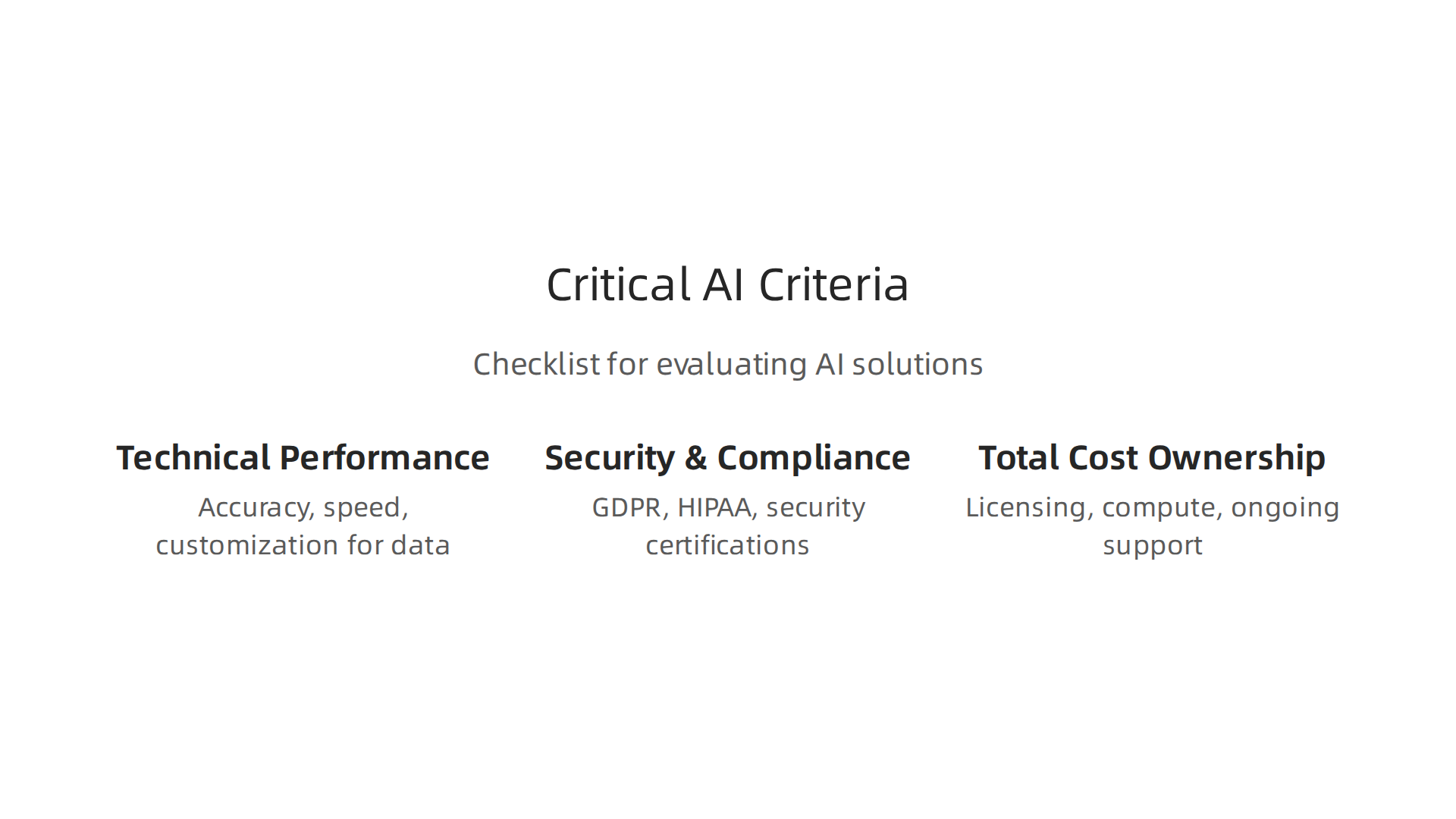
1. Think about how risky it is
Every choice has some risk. When you pick an IT partner, think about:
- Their track record: Have they done good work for others?
- How stable they are: Are they likely to be around for a long time?
- Security: Do they protect your information well?
Choosing a partner that has a solid history helps lower risks for your business, as mentioned in procurement insights Evaluating Vendors in 2026: Tools, Criteria & Common Mistakes.
2. Check if they fit with your current tools
You already have tools and systems you use every day. Your new partner’s products must work well with them. This is called "integration fit." If their system does not easily connect with yours, it can cause many problems. It’s smart to focus on how well a new technology fits with what you already use Enterprise Software Vendor Selection: Comprehensive Guide for 2026.
3. Understand all the costs
The price tag you see first is not the only cost. You need to think about the "total cost of ownership." This means:
- Setup costs: How much does it cost to get started?
- Ongoing fees: What do you pay each month or year?
- Training: Will your team need special training?
- Support: What if something goes wrong?
- Upgrades: What about future updates?
Looking at all these costs gives you a full picture. Many case studies show that technology investments often bring more than 100% return on investment, so choosing carefully pays off ROI Reality Check: What 128 Case Studies Reveal About Technology Value.
4. See if their future plans match yours
Where is your business headed? Do your potential partner’s future plans, or "strategic roadmap," go in the same direction? If they are building tools for things you care about, that is a good sign. This is especially true when choosing new AI for business tools that deliver real results in 2026.
A Simple Checklist for Choosing Your Next IT Partner
When you are ready to start looking, here’s a practical checklist:
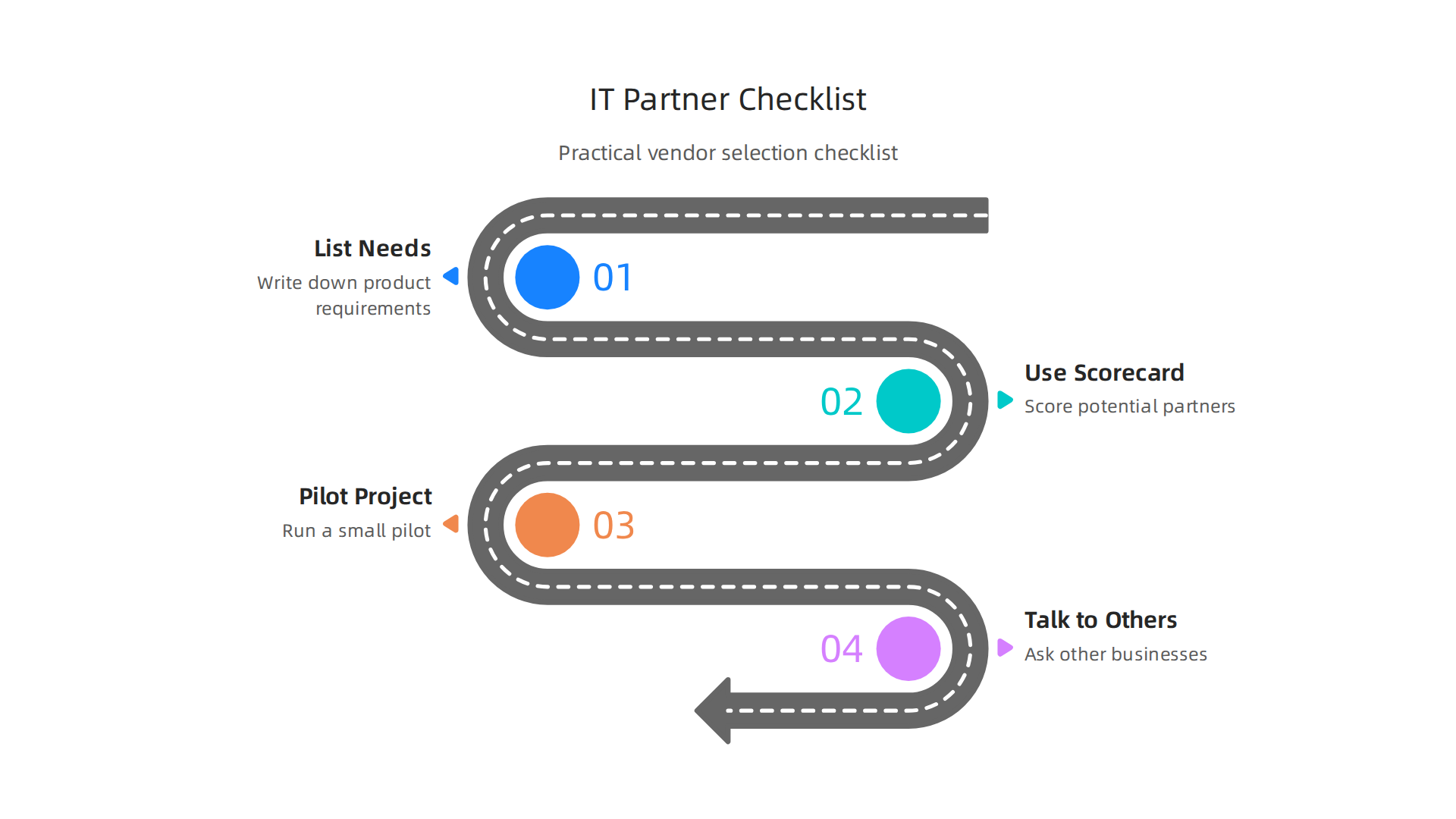
- List your needs clearly: Before you even talk to a vendor, write down exactly what you need their product or service to do for your business. This is the first step in a good vendor selection process A complete Guide to the Vendor Selection Process in 2026.
- Use a scorecard: Give scores to each potential partner based on how well they meet your needs. You can rate things like their technology, customer support, and how easy they are to work with. Using a weighted scorecard helps remove any personal feelings from the decision Vendor Management Strategy: Procurement Guide 2026.
- Test them out: If possible, try a small "pilot" project with the top choices. This is like a trial run to see how well they perform in real life.
- Talk to others: Ask other businesses about their experiences with these vendors.
By following these steps, you can make sure you pick the best IT partners. This helps your business grow and use technology smartly. To understand more about what makes up this field, you might want to read about understanding what is information technology for business success in 2026.
Summary
This guide explains how to identify and compare the top IT companies and the tech hubs where they thrive in 2026. It walks through common ranking metrics—revenue, market cap, R&D, product adoption and employee satisfaction—and warns why any single metric can mislead your decision. The article describes the main company types (cloud providers, enterprise software, AI-native firms, hardware leaders), shows how regional strengths differ across North America, Western Europe and Asia, and outlines what makes a real tech hub: startups, VC, talent pipelines and infrastructure. You’ll also get hiring and salary trends, practical signals of innovation like patents and product launches, and a step-by-step checklist to evaluate vendors and choose partners. Read this to make smarter hiring, partnership or investment choices and to pick the tech cities and companies that fit your goals.