
Why ‘future standard’ matters for business leaders in 2026
In 2026, the world of business is changing faster than ever, mostly because of how quickly Artificial Intelligence (AI) is growing. AI tools are getting smarter every day, which is exciting for businesses like Luminar Technologies and Driven Brands looking to improve. But this rapid growth also brings a big challenge: there are many different rules and laws being made about AI all over the world. These rules are not always the same, making it hard for business leaders to know which way to go. This mix of fast AI changes and unclear rules creates a lot of uncertainty when deciding what products to buy or how to use AI safely in your business.
Actually, it’s like building a road while everyone is still arguing about where the lanes should be. This is why understanding the "future standard" for AI is so important. Government bodies, like the US Congress, are working on new laws and guidelines to create some order in this space. For example, there’s a lot of discussion about federal reporting and disclosure rules for AI to ensure public trust and safety. Countries like South Korea have already put big AI laws into action South Korea: Comprehensive AI Legal Framework Takes Effect. Meanwhile, the US government is also putting out its own plans and recommendations for a National Policy Framework Artificial Intelligence.
This guide is here to help you make sense of it all. We will explain the different directions policy makers are headed and look at the new technical standards that are starting to appear. Our goal is to give you clear, practical steps you can take right now to make good decisions for your business. Staying informed about these changes is key to being ready for what’s next. If you want to keep up with the latest in this fast-moving area, it helps to be tracking major technology news for smart business decisions in 2026.
To stay truly ahead, you need more than just headlines.
Get clear daily AI updates from The AI Newsletter Worth Reading.
Knowing the direction policy makers are going helps businesses like yours, including companies such as Luminar Technologies and Driven Brands, make smart choices today.

There are a few main ways governments are trying to set rules for AI.
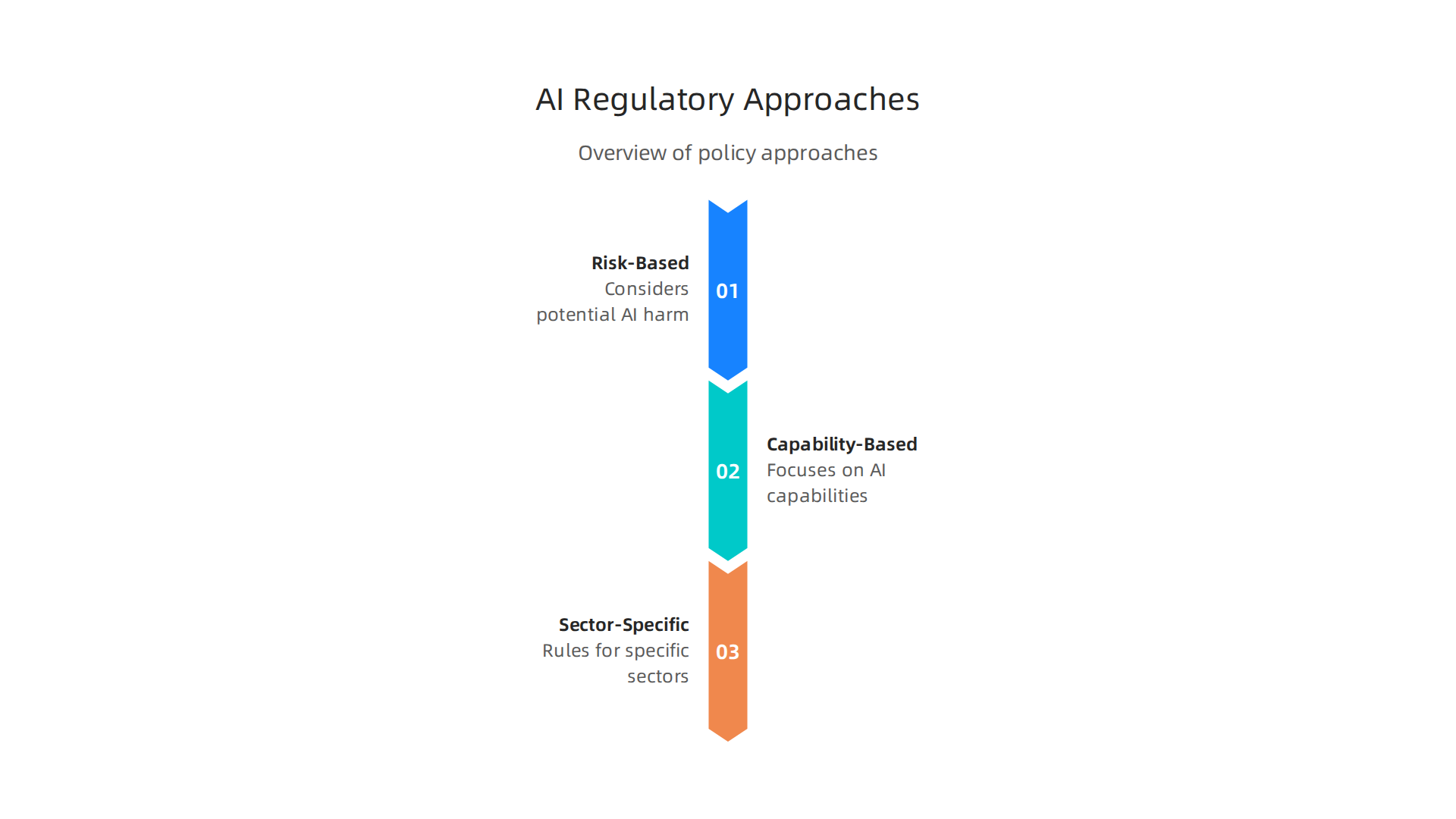
Different Ways to Make AI Rules
- Risk-Based Approach: This way of making rules looks at how much harm an AI system could cause. If an AI system could cause a lot of harm, like in healthcare or hiring, it gets stricter rules. The European Union’s AI Act is a good example of this, setting tough standards for "high-risk" AI systems that are expected to be fully in effect by August 2026 AI Regulation: How It Works, What It Requires, and …. In the United States, the National Institute of Standards and Technology (NIST) also offers an AI Risk Management Framework to help companies understand and lessen AI risks.
- Capability-Based Approach: This approach focuses on what an AI system can do. It pays special attention to very powerful AI systems, often called "frontier AI." The idea is that if an AI is super smart or could have a very big impact, it needs special oversight, no matter how it’s used. This includes rules for big AI developers to report safety issues and deal with large risks Frequently Asked Questions.
- Sector-Specific Approach: Some rules are made just for AI used in certain areas, like finance or medicine. For example, AI used in medical devices might have different rules than AI used in self-driving cars. This makes sure the rules fit the unique needs and dangers of each industry.
These different ways of thinking guide how laws are written and how companies should act. For any business using AI, it’s wise to learn how to choose AI for business tools that deliver real results in 2026.
What "Future Standard" Really Means
When we talk about the "future standard" in AI, we are not just talking about one single rule or law. It’s a bigger idea that includes:
- Official Laws: These are the rules made by governments, like the US tech congress, and other countries to control how AI is used.
- Technical Standards: These are like instruction manuals for building AI systems. Groups such as NIST and IEEE create these. For example, NIST helps create AI Standards, and the IEEE has approved a recommended practice for how companies should govern AI IEEE 2863-2026. These standards help make sure AI systems are safe, work well, and can be trusted.
- Industry Agreements: These are best practices that groups of companies and experts agree on. They might not be laws, but they become common ways of doing things that businesses follow to stay competitive and responsible.
The "future standard" is always changing as AI technology gets better and we learn more about its effects. It’s like a moving target where policymakers, standards groups, and companies all work together to figure out the best ways forward. This includes efforts to create standards for things like how AI systems manage bias European standards supporting the AI Act – CEN-CENELEC. Staying on top of these global regulations and standards is important for any business aiming to grow with AI AI Compliance Guide 2026: Global Regulations | Modulos.
When we talk about the "future standard" for AI, it also includes very important technical guides. These guides help make sure AI systems are built safely and work well together. Think of them as blueprints for how AI should be made and used. These technical standards are especially important for businesses like Luminar Technologies and Driven Brands.
Here are the main kinds of technical standards you can expect:
Categories of Technical Standards
- Safety Testing: This is about making sure AI systems are safe before anyone uses them. It’s like crash-testing a car. Groups create special tests to find problems and make sure the AI won’t cause harm or do unexpected things. In 2026, many new ways to check AI safety have come out, aiming to find problems before they get serious An efficient, reusable framework to evaluate AI safety – JHU Hub. This helps make sure AI products are reliable and secure AI Safety Benchmarks: How to Evaluate and Certify Secure ….
- Evaluation Benchmarks: These are like standardized report cards for AI. Benchmarks help compare how well different AI systems perform on the same tasks. This allows companies to see which AI is best for their needs. Many new benchmarks like HELM Safety and HarmBench became widely used by early 2026 to help decide "what to measure" in AI safety 2026 AI Safety Prior Research Report: Achievements …. The RAIL AI Safety Index also helps compare different AI models The RAIL AI Safety Index 2026: benchmarking 10 LLMs ….
- Data Provenance: This term means knowing where the data used to train an AI system comes from. It’s like checking the ingredients list on food. Knowing the source of data helps make sure the AI is fair, honest, and doesn’t carry hidden problems from bad information. Clear rules here help everyone trust AI more.
- Interoperability APIs: APIs (Application Programming Interfaces) are like special plugs and sockets that let different computer programs talk to each other. Interoperability means that AI systems from different companies can easily connect and work together. This is important so businesses aren’t stuck with just one AI provider and can mix and match the best tools.
What This Means for Businesses
For any business, these technical standards are a big deal. They impact how you buy and use AI:
- Procurement: When you buy AI tools, you’ll need to check if they meet the latest safety and performance standards. This means looking for certifications or proof that the AI has been properly tested. This helps you choose smart technologies and evaluate AI companies to unlock business growth in 2026.
- Vendor Selection: Choosing an AI vendor will involve more than just looking at features. You’ll need to ask about their testing methods, how they ensure safety, and what benchmarks their AI models meet. This helps you pick reliable partners. You can learn more about picking the right solutions for your company in Enterprise AI Platforms 2026: Top Providers and How to Choose the Right One.
- Vendor Lock-in Risk: With better interoperability standards, you’ll have more freedom to switch AI tools or combine them from different companies. This reduces the risk of being "locked in" to one vendor’s system, which can be expensive and limit your choices later on. The tech congress and other bodies are working to make sure companies have options.
Understanding these technical standards helps businesses stay competitive and use AI safely and effectively in 2026 and beyond.
The technical guides we just talked about are changing how businesses use AI.

These rules are especially important in big industries like finance, healthcare, advertising, and even how the government buys things. Each of these areas has its own special rules that make sure AI is used safely and fairly.
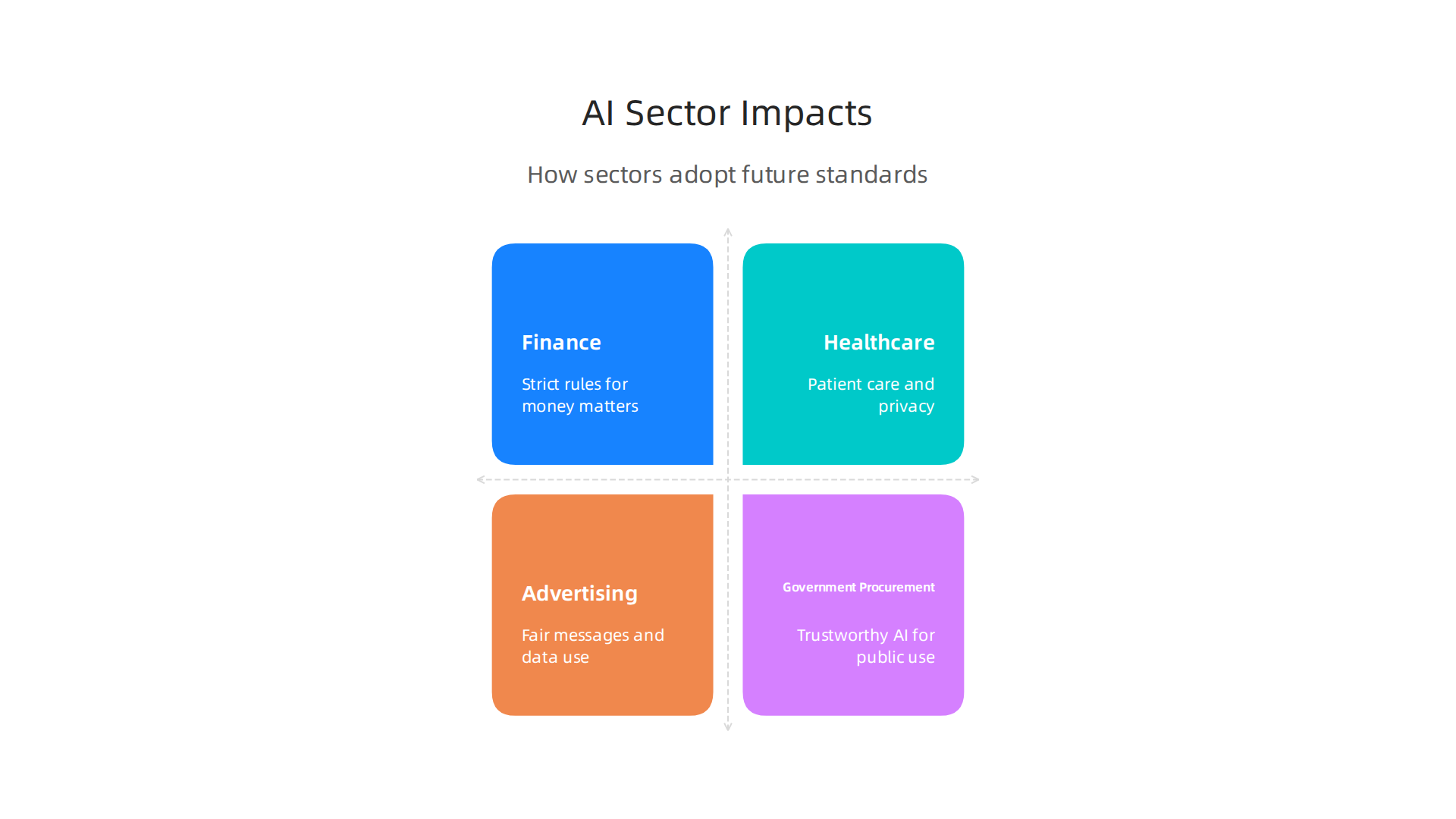
This is all part of creating the future standard for AI in 2026.
Finance: Strict Rules for Money Matters
In finance, using AI means being extra careful with people’s money and data. Because of this, financial companies face tough rules from groups like the SEC (Securities and Exchange Commission) and FINRA (Financial Industry Regulatory Authority). These groups want to make sure AI doesn’t give bad advice or treat customers unfairly. For example, AI systems used for loans or investments must be very clear and honest. The U.S. Department of the Treasury has even shared new guides to help with using AI safely in finance Treasury Releases Two New Resources to Guide AI Use in Finance.
Companies in finance will need to:
- Track Everything: Keep detailed records of how AI makes decisions. This means having good AI Audit Trail Requirements: A 2026 Checklist for Finance, Healthcare, ….
- Check for Fairness: Make sure AI doesn’t show bias when dealing with different customers.
- Ensure Security: Protect sensitive financial information that AI handles.
States like Colorado are also making their own rules for "high-risk" AI in financial services, which will start by June 2026 Explore AI Compliance Across Regulated Industries in 2026.
Healthcare: Patient Care and Privacy
Healthcare is another area where AI rules are getting much stronger. When AI helps with patient care, like suggesting treatments or looking at medical images, accuracy and privacy are key. Regulations like HIPAA (which protects patient information) and rules from the FDA (Food and Drug Administration) for medical devices are now applying to AI tools. By August 2026, many new rules for "high-risk" AI medical devices will be fully in place, especially due to the EU AI Act AI in Health: Regulatory & Policy Tracker — Q2 2026.
What this means for healthcare providers:
- Human Oversight: Doctors and nurses must always be able to review and change AI decisions.
- Data Protection: AI systems must strictly follow patient privacy laws.
- Transparency: It must be clear how AI reaches its conclusions, especially for critical health decisions.
Many states are also passing laws, with Arizona, Illinois, and California leading the way in regulating AI in areas like insurance denials and therapy services Shaping the Future: Navigating State-Level AI Legislation in Healthcare. This shows how important it is to mastering behavioral tech for business growth and impact while following ethical guidelines.
Advertising: Fair Messages and Data Use
In advertising, the biggest concern is how AI uses our personal information to show us ads. New standards will push for more fairness and privacy. Companies like those in the [luminar technologies] or [driven brands] supply chains that use AI for marketing must be careful not to create ads that are unfair or target people in ways that aren’t allowed. This means ensuring AI tools don’t accidentally promote harmful stereotypes or invade privacy.
Advertising businesses will need to focus on:
- Bias Checks: Regularly test AI to make sure it doesn’t favor or disadvantage certain groups of people in ads.
- Data Privacy: Respect user data and only use it in ways that are explained and agreed upon.
- Transparency: Be open about how AI is used in creating and showing ads. This helps build trust and improve how online market research surveys powered by AI deliver better insights.
Government Procurement: Trustworthy AI for Public Use
When governments buy AI tools, the bar is very high. These tools might be used for things like traffic management or public safety, so they need to be extremely reliable and fair. The U.S. government, with help from the [tech congress], is working on clear guidelines. For example, federal law states that the National Institute of Standards and Technology (NIST) should advance frameworks and guidelines for AI 15 USC 278h-1: Standards for artificial intelligence. This is to ensure AI is trustworthy and serves everyone well.
Government agencies will increasingly require:
- Third-Party Audits: AI systems must be checked by outside experts to confirm they work as promised and are safe.
- Public Accountability: Clear ways to report problems and ensure that AI systems are held responsible.
- Ethical Guidelines: Following strict rules that align with public values and rights.
These sector-specific pressures mean that companies everywhere are working to make their AI compliant with this emerging future standard. This includes making sure AI systems are auditable, fair, and have proper human oversight, no matter the industry.
Getting AI tools ready to meet the new future standard is a big job. It’s not just about knowing the rules, but also about how your company manages and uses AI every day. This means setting up good ways to control your AI, keeping clear records, and carefully checking any AI tools you get from other companies.
Setting Up How You Manage AI
Good AI management, or "governance," helps make sure your AI works well and follows all the rules. The IEEE, for example, has even created a recommended practice for how companies should manage their AI, which became an active standard in 2026 IEEE 2863-2026. Here are some important parts of that:
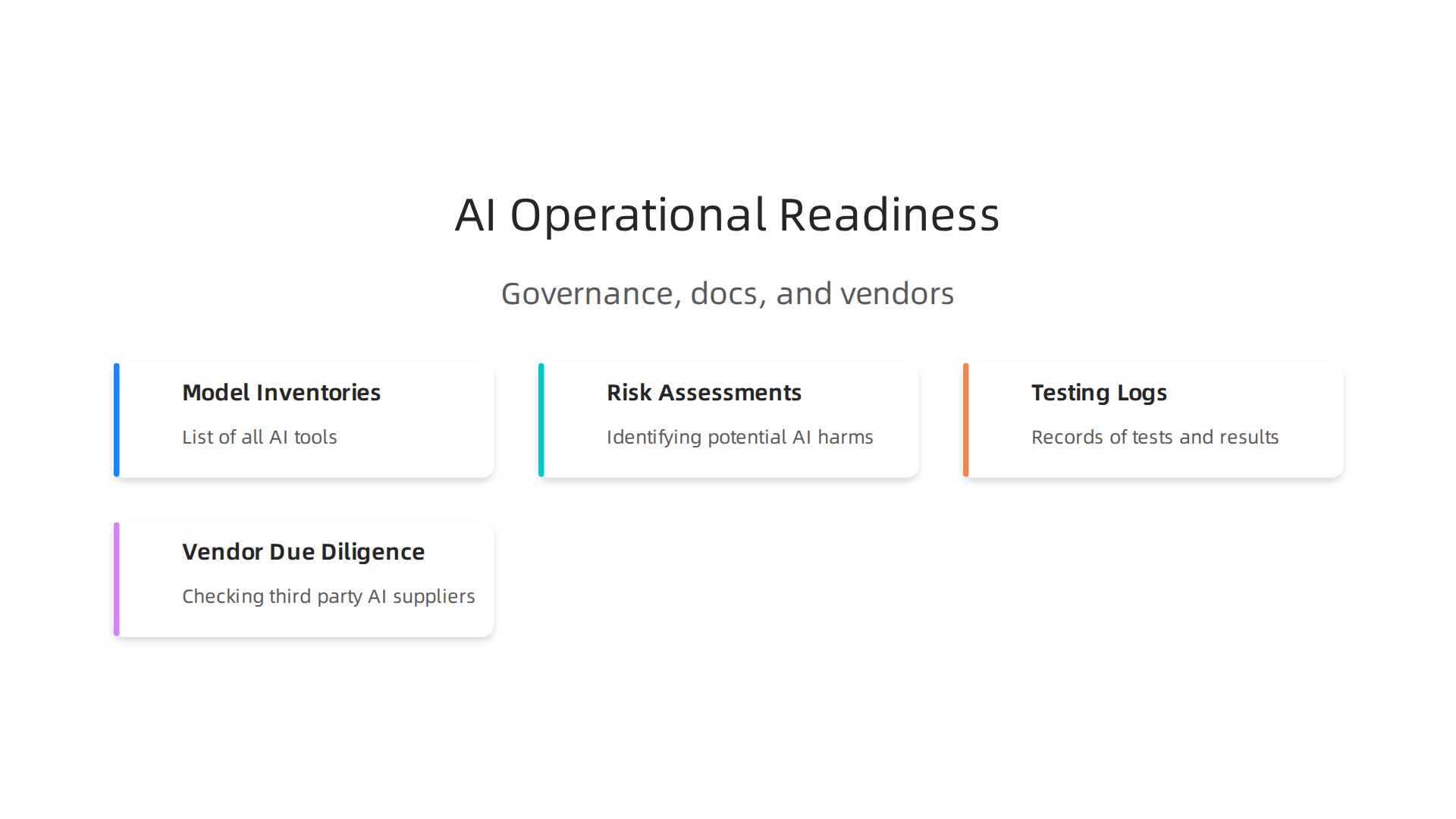
- Model Inventories: Think of this as a list of all the AI tools your company uses. For each tool, you should know what it does, what kind of data it uses, and who is in charge of it. This helps you keep track and makes sure no AI is used without proper checks.
- Risk Assessments: This means looking at each AI tool and figuring out what problems it could cause. Could it make a wrong decision? Could it be unfair to some people? Understanding these risks helps you fix them before they become big issues. The National Institute of Standards and Technology (NIST) offers a helpful guide for managing AI risks AI Risk Management Framework | NIST.
- Testing Logs: Every AI tool needs to be tested to see if it works as it should and if it’s fair. Keeping a record of these tests is like having a report card for your AI. These records show what was tested, how it was done, and the results. There are many new ways to test AI safety, with new benchmarks emerging in 2026 AI Safety Benchmarks in 2026: From RLHF to Constitutional AI and Beyond.
- Vendor Due Diligence: If you buy AI tools from another company, you need to check them carefully. This is called vendor due diligence. You should ask about their own AI management practices and make sure they meet your standards. You should also have clear agreements, often called Service Level Agreements (SLAs), that spell out their responsibilities for AI safety and performance. European groups like CEN-CENELEC JTC 21 are working on standards that will help ensure AI systems meet strict requirements European AI Standardization | CEN-CENELEC JTC 21 |.
Getting Ready When You Have Less Help
For smaller teams or companies with less money or technical staff, getting ready for the future standard can feel hard. But it doesn’t have to be. Here’s a simple way to start:
- Start Small: Don’t try to fix everything at once. Pick one or two AI tools that are most important or carry the highest risk. Focus on getting those right first.
- Use Ready-Made Tools: Look for software or services that can help you with AI management. Many companies offer tools to help you keep track of your AI, test it, and document its use. This can save you a lot of time and effort. When you’re ready to explore options, consider how to choose AI for business tools that deliver real results.
- Train Your Team: Make sure everyone who works with AI understands the new rules and how to follow them. Simple training can go a long way.
- Keep It Simple: Don’t overcomplicate things. The goal is to make sure your AI is used responsibly, not to create endless paperwork. Focus on clear steps and easy-to-understand records.
- Look for Support: There are many resources and guides available to help businesses evaluate AI companies and unlock growth. Knowing how to evaluate AI companies to unlock business growth in 2026 can make a big difference.
By taking these practical steps, companies of all sizes can get ready for the new AI future standard and use AI safely and effectively. Staying informed about the latest changes in AI is key to this readiness.
Get clear daily AI updates from The AI Newsletter Worth Reading.
Business strategy: product design, competitive advantage, and compliance-as-differentiator
Getting ready for the future standard for AI isn’t just about following rules. It can also be a smart business move that helps your company grow and stand out. When you build AI tools with safety and fairness in mind from the very start, it can make your products better and give you a leg up on competitors.
Think about how you design your products. If you make sure your AI tools follow all the rules, they will likely be more reliable and trustworthy. This is extra important in certain fields. For example, a guide for AI Design for Regulated Industries: 2026 Guide shows how strict rules in healthcare and finance shape how AI products are made. Companies like Luminar Technologies, which make technology for self-driving cars, know that safety standards aren’t just a checkbox. They are central to how their products are built and how people trust them. Building safe, compliant products helps create a better reputation for your brand. This means that a company like Driven Brands, using AI in its automotive services, could build more trust with customers by showing its commitment to AI safety.
Being one of the first to meet these new AI standards can also give you a big competitive advantage.

In 2026, many industries are starting to have very strict rules for AI. These include areas like healthcare, finance, and manufacturing, which are among the top 7 industries with stringent AI compliance needs in 2026. If your company already meets these high standards, customers and partners will see you as a leader they can trust. This trust can help you win more business. It means you can go to market with products that are already approved and ready, while others might still be struggling to catch up.
Of course, there’s a balance to strike. Moving very quickly to put out new AI tools might seem good for short-term gains. But if those tools don’t meet the future standard or cause problems later, it can hurt your business in the long run. Taking a bit more time to make sure your AI is safe and follows all the rules builds a stronger, more resilient business. It shows you care about your customers and the bigger impact of your technology. This careful approach helps you avoid big issues down the road and builds lasting customer loyalty. To really succeed, it’s wise to always evaluate AI companies to unlock business growth in 2026 that align with your long-term vision.
Staying informed: monitoring standard-setting bodies, policy signals, and preparing for rapid change
Keeping up with all the new rules and standards for AI can seem like a big job. But it’s really important for your business. When you know what changes are coming, you can make smart choices about your AI products and services. It helps you stay ahead and make sure your company is always meeting the future standard.
A good way to do this is to set up a simple plan to watch for new information. You don’t need to check every day. A quick review once a month might be enough for many businesses. Here are some trusted places you can look:
- Official AI Trackers: Many groups now offer lists that keep track of AI laws and rules around the world. For example, you can find a Global AI Regulations Tracker 2026 that summarizes rules from over 60 countries. There’s also the NHI and AI Agent Standards Tracker which monitors global efforts. These are great because they often give plain explanations of complex legal terms.
- Standards Organizations: Groups like the International Telecommunication Union (ITU) have an AI Standards Exchange Database that lists many standards for AI systems. Another key one is the National Institute of Standards and Technology (NIST), which has its own AI Standards initiatives. These bodies create the technical guides for how AI should work safely.
- Government Policy Websites: Look at sites that follow state or national laws. For example, there are many tools that track US State AI Governance Legislation to show what states are doing. You can also find trackers for specific areas like 2026 State AI in Education Bills which can signal broader trends.
- Industry News and Reports: Good news sources and reports, like the AI Index | Stanford HAI, offer yearly updates on AI trends, including responsible AI practices. These give you a bigger picture of where AI is headed and what experts are talking about. To help you stay updated with trustworthy tech information, learn how to find AI tool discovery sources for real business results.
When to act on new information
Knowing when a change is important enough to act on is key. Here’s a simple checklist to help you decide when to look closer at a new policy or standard:
- Is it a new law or an update to a big one? If a new law is passed that affects how your business uses AI, or if an important one like the EU AI Act has a new phase starting in August 2026, it’s time to pay close attention. Such changes often come with clear deadlines for businesses to follow.
- Does it directly impact your industry? If the new rule is about healthcare AI and you’re in healthcare, then it’s a big deal. The same goes for finance, manufacturing, or any other area where you use AI.
- Does it change what counts as "high-risk" AI? Regulators often talk about "high-risk" AI systems. If a new standard makes your AI tools fall into this category, you’ll likely need to do more testing and reporting.
- Is there a strong push for a new standard, like ISO/IEC 42001? This standard is becoming very important for AI management systems. If many in your field are talking about it, or if it becomes a common requirement for partners, it’s worth checking to see if your products already follow it.
- Does it come from a leading global body? If an important organization like the OECD issues new recommendations, even if not a strict law, it often shapes how future laws will look. Keeping an eye on these signals helps you prepare.
By regularly checking these sources and using this checklist, you can be ready for changes in AI rules. This helps your business stay safe and trusted in the fast-moving world of AI.
To make sure you’re always in the know with the most recent and important updates in AI and technology, consider subscribing to The AI Newsletter Worth Reading.
Summary
This article explains why understanding the emerging "future standard" for AI is essential for business leaders in 2026, when rapid AI advances collide with a patchwork of laws and technical guidance. It outlines the main regulatory approaches—risk-based, capability-based, and sector-specific—and the technical standards companies will face, such as safety testing, evaluation benchmarks, data provenance, and interoperability APIs. The guide shows concrete impacts across industries like finance, healthcare, advertising, and government procurement, and describes how standards change procurement, vendor selection, and vendor-lock-in risk. It also lays out practical AI governance practices—model inventories, risk assessments, testing logs, and vendor due diligence—and offers a simple starter plan for smaller teams. Finally, the article frames compliance as a competitive advantage, recommends reliable sources to monitor standards, and gives a checklist for when to act on new rules so businesses can stay safe, trustworthy, and ready to scale with AI.