Tag: business leaders

  • Deep Tech for Business Leaders Your 2026 Handbook to Growth

    Deep Tech for Business Leaders Your 2026 Handbook to Growth

    Why ‘deep tech’ matters now — a concise primer for decision-makers

    In 2026, you hear a lot about AI. It is in our phones, our smart homes, and helps us write emails. But there is a special kind of technology called deep tech that is much more than just simple computer AI tools. Deep tech is about big, important breakthroughs that change the world in a really big way. It is not just making things a little better. It is about creating whole new things that did not exist before.

    Think of it like this: consumer AI might help you pick a movie. Deep tech, on the other hand, might create a new kind of battery for electric cars or find a new way to treat sickness. These technologies come from deep scientific discoveries and hard engineering work. They often need a lot of research, time, and money to develop. Governments around the world are even creating policies to support this area, like the National Deep Tech Startup Policy Framework (NDTSP) which looks closely at what makes these startups special.

    For leaders like you, deep tech can be both exciting and a bit scary. You want to make sure your business stays ahead.

    A focused business leader strategizing in a modern office environment, contemplating future challenges and opportunities.

    But with so many new tools and ideas popping up every day, it is easy to feel lost. This is what we call information overload. It is hard to pick the right deep tech tools when you are not sure what they do or how they fit with your business.

    Then comes the challenge of making these new technologies work with your existing systems. It is like trying to put a brand-new, super-fast engine into an old car. It takes skill and careful planning. And finally, you need to see a real return on your investment (ROI). You want to know that spending money on deep tech will actually help your business grow and make more money.

    Understanding these big changes and choosing the right steps for your company requires strong AI literacy. Learning how to pick smart technologies and bring them into your business is key to staying competitive in 2026 and beyond.

    To help you cut through the noise and get to what matters, we share clear, daily updates on the world of AI and technology.
    The AI Newsletter Worth Reading

    What ‘deep tech’ means in 2026: definitions, categories, and taxonomy

    Let’s dig deeper into what deep tech really means in 2026. It is more than just new apps or better versions of old software. Deep tech comes from big science ideas and clever engineering work. It builds on new discoveries that push the limits of what we thought was possible. Think of it as creating something truly new, not just making something existing a little bit better. This kind of technology often creates a strong advantage that is hard for others to copy, because it is based on solid scientific research or engineering leaps, not just a new business idea.

    Some people might call deep tech by other names, like "frontier tech," "hard tech," or "tough tech." No matter the name, the main idea is the same: these are game-changing innovations that come from deep scientific roots. According to experts, deep tech refers to companies and products built on major scientific or engineering breakthroughs that give them a strong competitive edge that lasts for a long time. In March 2026, over $80 billion is invested each year into deep tech areas like quantum computing and synthetic biology, showing just how important it is becoming for business leaders to understand this field.

    What makes deep tech special?

    Deep tech has a few key traits that set it apart from regular computer AI tools or everyday gadgets:
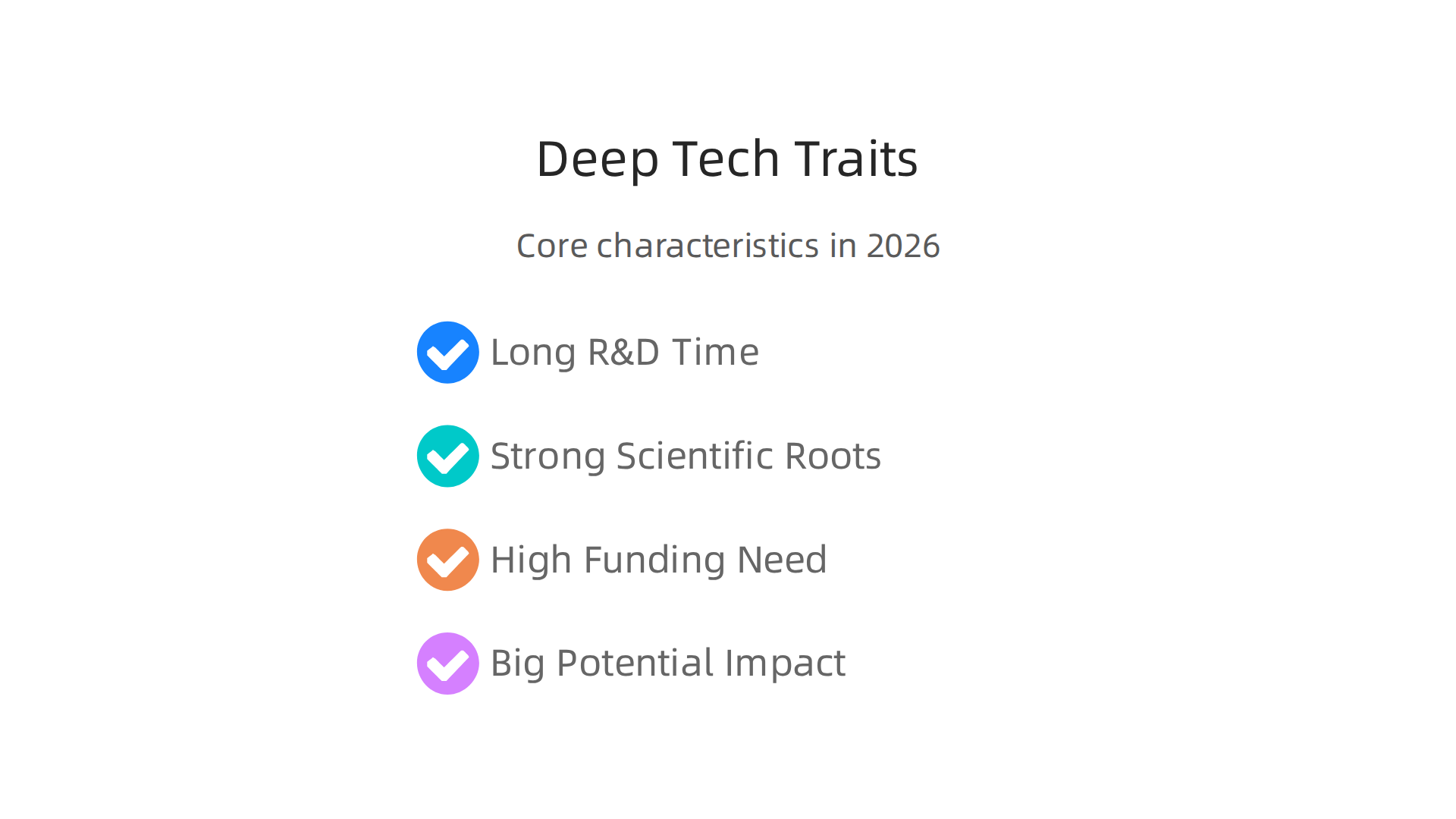
    Deep tech is characterized by its demanding development cycle, scientific foundation, high funding needs, and potential for massive impact.

    • Long Research and Development Time: These ideas do not become products overnight. They need many years of careful study and testing in labs. It is a marathon, not a sprint.
    • Strong Scientific Roots: Deep tech is born from new understandings in science, like physics, chemistry, or biology. It is not just about combining existing tools in a new way.
    • High Need for Money: Because of the long research time and complex development, deep tech projects often need a lot of money to get started and keep going.
    • Big Potential Impact: While hard to develop, deep tech can solve some of the world’s biggest problems, like climate change, new diseases, or access to clean energy.

    Main types of deep tech in 2026

    When we talk about deep tech, we are usually looking at a few main categories.
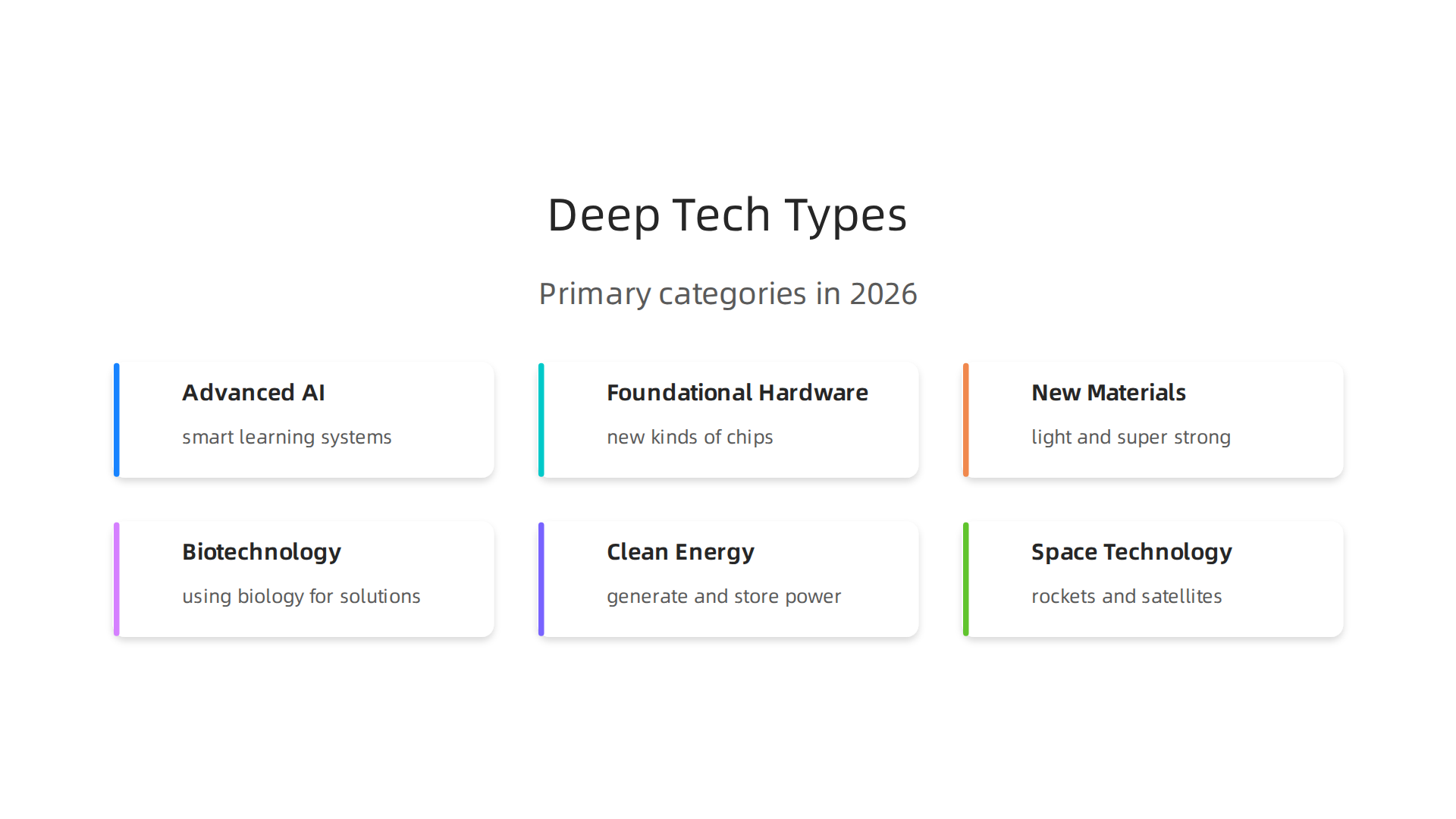
    An overview of the primary categories within deep tech, showcasing areas of significant scientific and engineering progress.

    These are the big areas where scientists and engineers are making the most exciting progress:

    • Advanced AI and Algorithms: This goes beyond the AI that helps you choose a movie. It includes things like really smart learning systems, new ways for machines to "see" and "understand" the world, or advanced decision-making tools that can solve very complex problems. This is where the core of computer AI development truly advances.
    • Foundational Hardware: This means building entirely new kinds of computer chips, advanced sensors, or even quantum computers that can do calculations impossible for today’s machines. These are the building blocks for the next generation of technology. If you are looking to understand the core components driving these innovations, consider learning about AI hardware 2026 a business leaders guide to growth.
    • New Materials: Imagine materials that are super strong but feather-light, or materials that can heal themselves. Deep tech includes creating these amazing new substances that can change how we build everything, from cars to medical devices.
    • Biotechnology and Life Sciences: This area focuses on using biology to create new solutions. It covers everything from new ways to edit genes, develop advanced medicines, or create lab-grown foods.
    • Clean Energy: Finding new ways to generate and store clean energy is a huge deep tech challenge. This can include advanced solar panels, better batteries, or even new types of nuclear power.
    • Space Technology: Developing new rockets, satellites, or ways to live and work in space falls under deep tech. It pushes the boundaries of engineering and exploration.

    Understanding these different areas helps leaders like you know where the biggest changes are coming from. Keeping up with these trends is a key part of staying competitive and making smart choices for your business in 2026 and beyond. Getting daily updates from experts can help you manage the fast pace of this What Is Deep Tech? The Definitive Guide to Frontier Technology.

    To really understand deep tech, it helps to look at where it is growing and where money is being invested. In 2026, the market for deep tech is booming. It is moving from science labs into real-world products and services. Many reports show big growth, meaning more and more companies are seeing the value in these advanced technologies.

    Where deep tech is growing

    Deep tech is making a big splash in many different parts of our world. Think about the areas below:

    • Healthcare: New ways to find and treat diseases, using advanced computer AI for better diagnosis or new biotech tools for medicines.
    • Clean Energy: Fresh ideas for how we make and store power, like super-efficient solar cells or better batteries.
    • Manufacturing: Smart factories use deep tech to make things faster, cheaper, and with less waste. This involves new robots and very precise production methods.
    • Defense and Space: These areas have always pushed technology forward, and deep tech helps create new tools for safety and exploration.
    • Agriculture: Finding ways to grow more food with fewer resources, using things like smart sensors and gene editing.

    The global deep tech market was worth about $2.74 billion in 2025. Experts believe it will jump to $3.28 billion in 2026 and keep growing fast, possibly reaching $13.85 billion by 2034. This shows a huge belief in its future possibilities Deep Tech Market Size, Industry Share, Forecast to 2026- …. Another report says the market could grow from $811.33 million in 2026 to $4524.37 million by 2035 Deep Tech Market Size, Share | Industry Report, 2035. This strong growth means deep tech is becoming a central part of how businesses innovate.

    What executives should watch for

    Business leaders need to pay close attention to several signs to know where deep tech is heading:

    A diverse team of professionals collaboratively analyzing market data and financial reports, pinpointing key trends.

    • More Money Being Invested: Venture capital funds and big companies are putting more money into deep tech startups. For example, in 2025, Europe saw $20.3 billion in venture capital funding for deep tech, which was 32% of all venture capital in the region Continuing trend towards deep tech. Across the U.S. and Europe, total venture funding for deep tech hit $156.6 billion, with the U.S. making up most of that The 2026 Deep Tech Report by Drumbeat Capital. These numbers show strong confidence from investors.
    • More Deals and Company Purchases: Keep an eye on how many deep tech companies are being bought by bigger firms. This means their technology is proven and ready for a wider market.
    • New Inventions and Patents: A rise in new ideas and patents means a lot of research is happening. This often leads to breakthrough products later on.
    • Government Support: Governments around the world are helping deep tech grow through funding and special programs. This can speed up development and make it easier for businesses to adopt new technologies.
    • Customer Interest: When more and more customers or businesses want deep tech solutions, it is a clear sign that these technologies are ready to go mainstream.

    To make smart choices for your business, you need to understand these trends. Learning about where to find and choose the right AI companies can help unlock business growth. For more insights on how to pick strong partners, read our guide on how to Evaluate AI companies to unlock business growth in 2026. Staying informed is key for any business aiming to use deep tech to its advantage.

    To keep up with the fast-changing world of deep tech and AI, you need reliable information.
    Get clear daily AI updates from The AI Newsletter Worth Reading.

    Deep tech is not just a fancy idea anymore. It is turning into real solutions that help businesses grow and make money. When companies put their efforts into deep tech, they see a good return on their investment (ROI). Let us look at some important ways deep tech is being used right now, in 2026, across different industries.

    High-impact business use cases: where deep tech delivers ROI

    Deep tech brings big changes to how businesses work, helping them get ahead. Here are some key areas:

    • Healthcare: In healthcare, deep tech is like a superhero. It helps find diseases earlier and makes new medicines faster. For example, special computer AI can look at medical scans and spot problems that doctors might miss. This means patients get help sooner. Companies like Google DeepMind have shown how deep learning models can help detect eye diseases with expert-level accuracy HSBC: Transforming Anti…. The payoff here is better patient care and more efficient hospitals, leading to healthier communities. The changes can be seen in an ongoing way, making improvements steadily over time.

    • Manufacturing: Imagine a factory that almost runs itself. That is what deep tech is doing for manufacturing. Smart robots and advanced sensors, part of a larger tech center, can check products for tiny flaws or help machines work perfectly. This means less waste, lower costs, and products made much faster. Think about "checkout-free stores" that use computer vision to track items, helping businesses operate smoothly Top 50 Deep Learning Use Case & Case Studies – AIMultiple. Businesses can see these benefits quite quickly, sometimes within months, as processes become more efficient.

    • Clean Energy: Deep tech is changing how we power our world. It helps create better batteries that store more energy and makes solar panels that capture more sunlight. It also improves how power grids send electricity around without wasting it. These new technologies help companies lower their energy bills and be kinder to the planet. The impact can be seen over a few years, as new energy systems are built and start working.

    • Other Industries: Deep tech also helps in areas like defense and space, making equipment safer and more advanced. In agriculture, it helps farmers grow more food with less water and fewer chemicals, using smart sensors and special plant science. Across many businesses, from banking to real estate, generative AI is solving real-world challenges, with some transformations happening in weeks and others taking years The Enterprise AI Playbook: Lessons from 51 Successful …. This shows deep tech can deliver results on different timelines.

    The main idea is that deep tech can lead to big improvements for businesses. It helps them save money, make better products, and serve customers in new ways. To truly get the most out of these powerful tools, businesses need good AI literacy and a clear plan. Learning how to pick the right AI tools for your business is crucial for getting these great results. Read our guide on how to choose AI for business tools that deliver real results in 2026 to make smart choices.

    To truly make the most of deep tech and get good results for your business, you need to know how to pick the right tools. It is not always easy, as deep tech solutions can be complex. Here is a simple guide to help you look at and choose the best deep tech for your company in 2026.
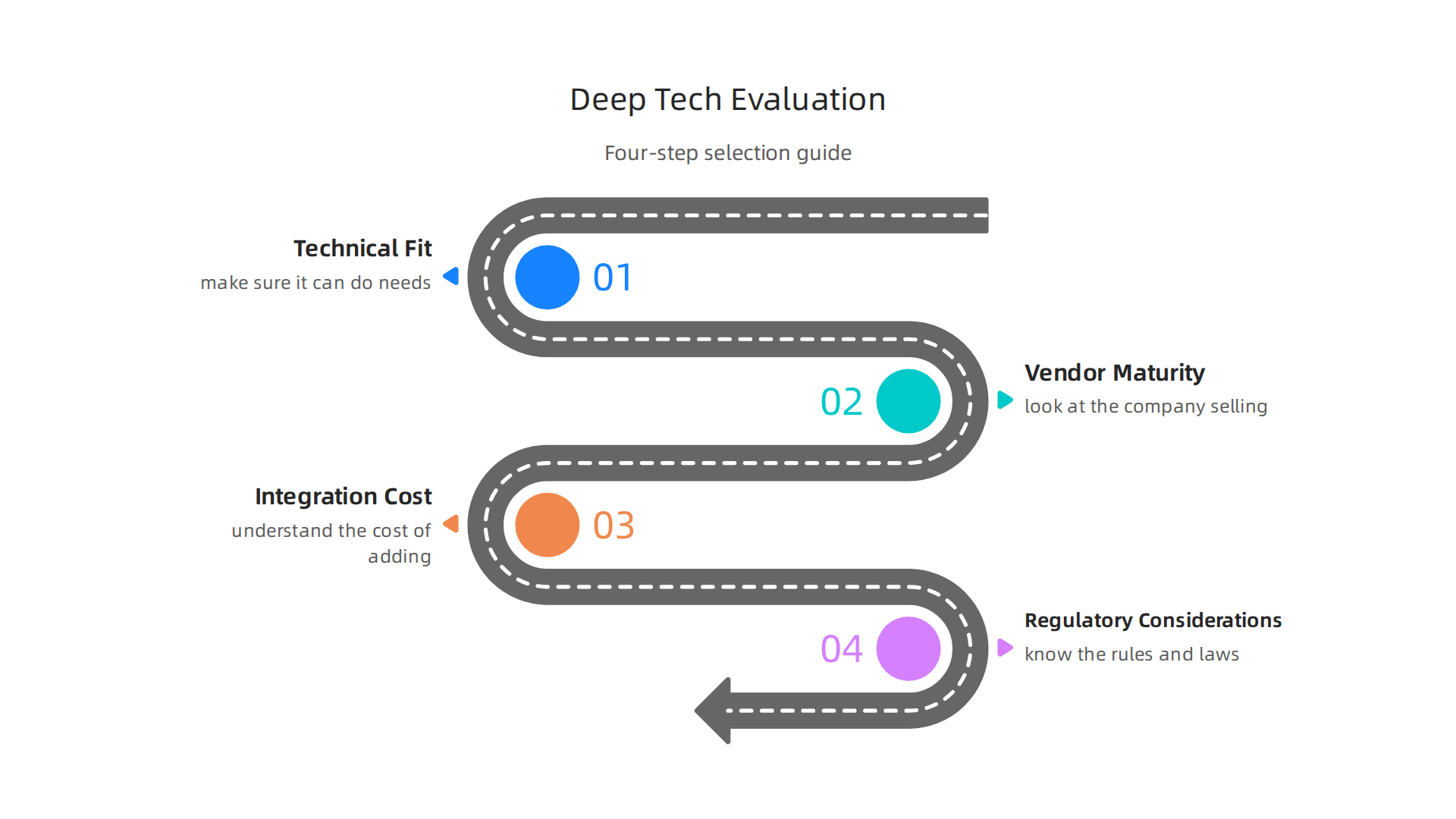

    A practical four-step framework guiding businesses through the process of evaluating and selecting deep tech solutions effectively.

    Colleagues engaged in a productive discussion, using a whiteboard to visualize and refine a practical framework.

    How to evaluate and select deep tech solutions: a practical framework

    Choosing deep tech solutions means more than just picking something new and shiny. It means finding tools that really fit your business and help it grow. You need a clear way to check if a new deep tech solution is right for you. Think of it like a checklist for success.

    1. Check if it fits your needs (Technical Fit)

    First, make sure the deep tech solution can actually do what you need it to.

    • Does it work well? Does the computer AI or other deep tech perform tasks quickly and correctly? Look for proof that it works as promised, maybe from other businesses like yours.
    • Will it play nice with your current systems? Deep tech should connect smoothly with the other tools and software you already use. If it does not, adding it could cause more problems than it solves. This is called "integration architecture" and it needs to be compatible with your existing setup AI Vendor Evaluation Scorecard: A Quantified Framework ….
    • Can it grow with you? As your business gets bigger, your deep tech tools should be able to handle more work without slowing down. This is important for future growth.

    2. Look at the company selling it (Vendor Maturity)

    It is not just about the product, but also the company behind it.

    • Are they experts? Do they have a good history of making and supporting deep tech?
    • How good is their help? If something goes wrong, can you get quick and helpful support?
    • Is it safe and secure? Deep tech often handles important information. Make sure the company takes data security seriously and follows all the rules. Before you buy, define clear safety requirements like specific certifications AI Vendor Evaluation Framework: Gartner MQ, RFP Scoring ….

    3. Understand the cost of adding it (Integration Cost)

    Deep tech might have a price tag, but there are other costs too.

    • How much work to set it up? Sometimes, getting new deep tech to work with your systems can take a lot of time and effort. This is part of the cost.
    • Training your team: Will your employees need special training to use the new tools? This also adds to the overall cost.
    • Long-term fees: Think about monthly fees or upkeep costs over time.

    4. Know the rules (Regulatory Considerations)

    Some deep tech solutions need to follow strict laws and rules, especially in areas like healthcare or finance.

    • Does it meet legal standards? Make sure the deep tech and its provider follow all the necessary laws, like privacy rules for customer data. This includes things like data residency rules for where data is stored.
    • Ethical use: Think about how the deep tech will be used and make sure it is fair and ethical for everyone involved.

    By using this step-by-step approach, businesses can make smarter choices about which deep tech to bring in. It helps make sure you invest in solutions that truly help your company succeed and get a good return on your money. Learning how to select these powerful tools is a key skill for leaders in 2026. If you want to dive deeper into how to evaluate AI companies, read our guide on how to evaluate AI companies to unlock business growth in 2026.

    To stay on top of the fast-changing world of deep tech and AI, getting reliable, daily updates is super helpful.

    Get clear daily AI updates from The AI Newsletter Worth Reading.

    After choosing the right deep tech solutions for your business, the real work begins. This next step is all about putting those powerful tools into action. For your engineering and operations teams, it means careful planning and smart steps to make sure the new technology works well with everything else you do. Think of it as building a strong bridge: you need to plan each part carefully so it can handle the traffic.

    Implementation and integration: pragmatic steps for engineering and ops teams

    Bringing new deep tech into your company is a big job. It needs a clear plan, especially for the teams who will set it up and keep it running every day. Here’s a simple guide for how to do that.

    Your Deep Tech Rollout Plan: Start Small, Grow Smart

    It’s usually not a good idea to bring in a big new deep tech solution all at once. A better way is to follow a roadmap, like a staged approach.

    1. Start with a Small Test (Pilot Program): Begin by using the deep tech on a small, controlled project. This "pilot" helps your teams learn how it works and find any problems without affecting your whole business. Many leading organizations use this method when trying out new deep learning tools, for example. This is like setting up a small "tech center" to experiment.
    2. Learn and Make Changes: After the pilot, gather all the feedback. What worked well? What caused problems? Use this information to fix things and make the deep tech better before you use it more widely.
    3. Grow Step-by-Step (Scale Up): Once the deep tech is working smoothly in your small test, you can slowly bring it to more parts of your company. This helps everyone get used to it and keeps things from breaking. Companies have seen great success by carefully scaling their generative AI use cases across different business functions, leading to real-world value Real-world gen AI use cases from the world’s leading ….

    What Can Go Wrong and How to Fix It

    Even with a good plan, sometimes things don’t go perfectly. Here are some common problems when bringing in deep tech and how to handle them:

    • It Doesn’t Connect: New deep tech might not easily "talk" to your older computer AI systems. This can cause a lot of headaches and extra work.
      • Fix: Before you even start, plan how the new deep tech will link up with your existing software. Sometimes, you might need special tools or help from partners to make them work together. Understanding the full landscape of your information systems vs information technology helps here.
    • Your Team Doesn’t Know How to Use It: Deep tech can be complicated, and your team might not have all the skills to use it right away. This is where "AI literacy" becomes important.
      • Fix: Offer training for your employees. You might also bring in outside experts or consultants to help guide your team. To boost professional skills, consider creating internal tech councils drive professional growth and knowledge sharing.
    • Bad Data In, Bad Results Out: Deep tech, especially types like machine learning, needs good quality information to do its job well. If your data is messy or incomplete, the results won’t be helpful.
      • Fix: Spend time cleaning up your data before you start using the deep tech. Make sure you have clear rules for how data should be collected and stored.

    Bridging Skill Gaps: When to Ask for Help

    Your internal teams are experts in your business, but deep tech can be very specialized. You might not have people who are experts in every new deep tech area.

    • Finding Your Internal Gaps: Look at what skills your team has and what new skills the deep tech needs. It’s okay if there are gaps. No one knows everything.
    • Working with Others:
      • Deep Tech Vendors: The company that sells you the deep tech often provides support, training, and updates. They know their product best.
      • Integration Partners: These are other companies that specialize in helping new technologies fit into existing systems. They can offer specific technical skills and help make sure everything connects smoothly. Successful businesses use a combination of internal knowledge and external partnerships to implement smart AI for business effectively.

    Successfully bringing deep tech into your company takes careful planning and smart choices about how to work with both your internal teams and outside partners. By taking these practical steps, your business can make the most of these powerful tools and drive real growth in 2026. Many companies, including those featured in 10 Deep Learning Case Studies [Detailed Analysis][2026], have shown that a thoughtful implementation strategy is key to success.

    Successfully bringing new deep tech into your company is a big achievement, but the journey doesn’t end once the tools are set up. Leaders must also think about potential risks, how to manage them, and the rules they need to follow.

    A group of executives in a boardroom setting, seriously discussing strategies for risk mitigation and compliance.

    This is like having a powerful new car: you need to know how to drive it safely and understand the traffic laws.

    Risks, governance, and the regulatory landscape – preparing for future shocks

    Deep tech, with all its power to change things, also brings important risks. Ignoring these risks can cause big problems for your business. It’s smart to plan ahead for these possible shocks.

    Understanding the Principal Risks

    When you adopt deep tech, especially advanced computer AI systems, you face a few main types of risks:

    • Ethical Risks: These are about fairness and doing the right thing.
      • Bias: Deep tech systems learn from data. If that data is unfair or incomplete, the system can make biased decisions. This means it might treat certain groups of people differently, which is not good for business or society. Concerns about bias, fairness, and transparency are growing, especially with generative AI The Ethical Role of Generative Artificial Intelligence in Modern HR Decision-Making.
      • Privacy: Deep tech often needs a lot of personal data. Keeping this data safe and private is very important. If data leaks, it can harm individuals and your company’s reputation. Governments worldwide are stressing the need for Data Protection Impact Assessments (DPIAs) when processing personal data that poses high risks Data and AI Ethics Framework.
      • Accountability: If a deep tech system makes a mistake, who is responsible? It can be hard to figure this out, especially with complex AI.
    • Operational Risks: These are about how the deep tech affects your day-to-day work.
      • Job Changes: Some deep tech tools might change or even replace certain jobs. Businesses need to think about how to support employees through these shifts. The impact of AI on job losses is a key governance issue Artificial Intelligence and the Future of Work. You can explore this further by learning about preparing for what jobs will AI replace.
      • Security Flaws: Deep tech systems can be targets for cyberattacks. Protecting them from hackers is a must.
      • Unintended Outcomes: Sometimes, deep tech can do things you didn’t expect, leading to problems that are hard to fix.

    Navigating the Regulatory Landscape in 2026

    Governments around the world are creating new rules for deep tech and AI. In 2026, staying up-to-date is more important than ever.

    Governance Practices and Risk Mitigation Strategies

    To handle these challenges, businesses need clear rules and ways to reduce risks.

    1. Create an Ethics Board: Set up a group of people in your company to look at how deep tech is used. This board should make sure your deep tech tools are fair, private, and safe.
    2. Regular Audits and Reviews: Periodically check your deep tech systems for bias, security weaknesses, or unexpected behaviors. Think of it like a regular health check-up for your technology.
    3. Data Governance: Make clear rules for how you collect, store, and use data. Ensure everyone follows these rules to protect privacy and improve data quality.
    4. Employee Training: Teach your employees about the ethical use of deep tech and how to spot potential problems. This helps build a culture where everyone is aware of the risks.
    5. Stay Informed: The world of deep tech and its rules changes fast. Keep up with new regulations and best practices.

    By actively managing these risks and setting up good governance, your business can use deep tech to its full potential while staying safe and responsible. Keeping informed is key.


    Stay ahead of the curve and get clear daily AI updates directly to your inbox. Get clear daily AI updates from The Deep View Newsletter.

    Summary

    This primer explains what deep tech means in 2026, why it matters to business leaders, and how to turn scientific breakthroughs into commercial advantage. It describes the defining traits of deep tech — long R&D cycles, strong scientific roots, heavy capital needs, and large potential impact — and surveys major categories like advanced AI, hardware, new materials, biotech, clean energy, and space. The article outlines market signals to watch (investment flows, deals, patents, and government support), concrete industry use cases that deliver ROI, and a practical vendor‑selection framework covering technical fit, vendor maturity, integration costs, and regulatory checks. It gives an implementation roadmap—pilot, iterate, and scale—plus common failure modes and fixes for engineering and operations teams. Finally, it highlights governance steps to manage ethical, operational, and legal risks so leaders can adopt deep tech responsibly and competitively.


  • Utah Tech Week 2026 Strategy Guide for Business Leaders

    Utah Tech Week 2026 Strategy Guide for Business Leaders

    Why Utah Tech Week matters now — a concise guide for busy decision-makers

    Every year, leaders, thinkers, and new companies come together for Utah Tech Week.

    Professionals from various sectors converge at a technology event, fostering collaboration and knowledge exchange.

    It’s a big event that shows how important technology is in Utah and beyond. Think of it as a central meeting point, a "smorgasbord of experiences and events" put on by many groups, like new businesses, investment firms, and local organizations Utah Tech Week – UtahFounders.org – A Resource Directory for …. In 2026, Utah Tech Week typically runs for several days, such as from February 2nd to February 7th, showcasing a dynamic environment for innovation Utah Tech Week 2026 | Wilson Sonsini.

    This yearly gathering brings together many different groups. You’ll find new companies looking to grow, people who invest money in promising ideas, and big companies searching for fresh ways to innovate. It’s a place where you can see the latest in software technology, discover cutting-edge apex technology, or even learn about advancements in specialized areas like stark tech. The event is well-known for attracting venture capital funds, showing its role in helping new ideas get the money they need to succeed [PDF] Utah Tech Week Requester Information Section 1](https://le.utah.gov/interim/2025/pdf/00001161.pdf).

    If you’re a founder starting a business, a marketer spreading the word, someone running a company, or a big boss making important choices, you probably go to Utah Tech Week for clear reasons. You want to meet new people, learn new things, find money for your projects, or discover smart ways to grow your business. Many attendees are looking for practical insights to help them unlock business growth with US tech solutions and AI in 2026. Others seek to understand how to best choose tech gadgets for business productivity in 2026 that will truly make a difference.

    This article is made just for you. We will give you helpful tips, show you some cool companies, and tell you what to do after Utah Tech Week to keep making progress. Our goal is to make sure you get the most out of what Utah Tech Week has to offer in 2026. Staying on top of new ideas in technology is key. For a simple way to keep learning every day, consider subscribing to The AI Newsletter Worth Reading to get clear daily AI updates.

    What Utah Tech Week is and who attends

    Utah Tech Week is more than just one event. It’s actually many different gatherings happening all across the state, working together to show off Utah’s strong technology scene. Think of it as a week-long festival for all things tech. In 2026, many groups put on their own events, like big meetings, hands-on workshops, and special days where new companies show off their ideas. If you are interested in hosting an event, the official Utah Tech Week website provides details on how you can get involved Host an Event.

    These events cover a wide range of topics. You might find talks about the latest in software technology or learn about advanced areas like apex technology. Some events focus on hard tech, which is often called stark tech, where people build physical products and big systems. Other events highlight innovations that might include areas like trimble tech, showing how diverse the tech community is. The main goal is to bring together smart people and exciting new ideas.

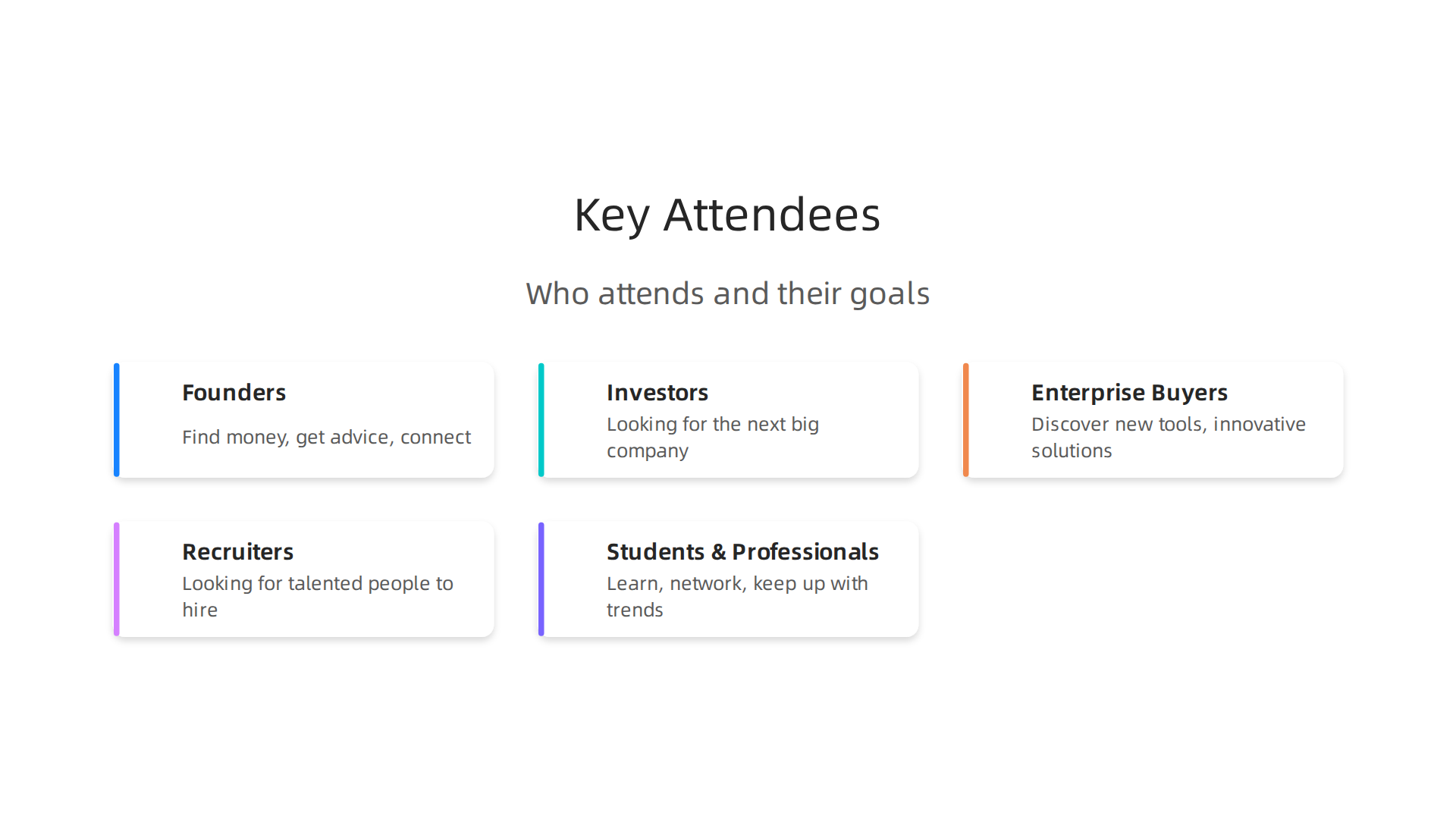
    Many different kinds of people come to Utah Tech Week, and they each have their own goals:

    Utah Tech Week draws a diverse range of participants, each with distinct goals for collaboration and growth.

    • Founders are people who start new companies. They come to find money, get advice, and connect with others who can help their business grow. Many attend pitch competitions where they share their ideas with potential funders Pitch.
    • Investors are people or groups who put money into new businesses. They are looking for the next big company or a smart idea to support. They want to find promising startups early.
    • Enterprise Buyers work for larger companies. They come to discover new tools, find innovative software technology inc solutions, and see how new tech can help their businesses run better. They might be looking to choose the best AI tech products for their teams.
    • Recruiters are looking for talented people to hire. They attend to meet skilled workers and find future leaders for tech companies.
    • Students and Professionals come to learn, network, and keep up with the newest trends.

    The rich tech community in Utah plays a big part in shaping Utah Tech Week. Local universities like Utah Tech University are actively involved, often hosting events and showcases Utah Tech University. For instance, the Lassonde Entrepreneur Institute at the University of Utah holds its own Demo Day where student startups present their projects. Other groups, like business accelerators, also help new companies get started and show their progress during the week. This strong support system from schools and businesses makes Utah Tech Week a vibrant place for innovation and growth. It really shows how the local ecosystem helps drive new ideas forward.

    Top themes and tracks to watch in 2026 (AI, fintech, life sciences, and more)

    Utah Tech Week is a big event, and it’s full of many different areas of technology. To make the most of your time there, it’s helpful to know about the main themes and tracks. Think of tracks as special pathways or topics that different events will focus on. In 2026, some of the hottest topics are Artificial Intelligence (AI), financial technology (fintech), and life sciences.

    Finding the right tracks for your goals

    To figure out which tracks are best for you, first think about what your company or your personal goals are. Are you trying to find new software for your team, invest in a cutting-edge startup, or learn about the next big thing in medicine?

    The official Utah Tech Week website is a great place to start. It lists many individual events and helps you see the bigger picture of what’s happening. You can look at the full schedule to find panels, workshops, and demos that match your interests. For example, if your business wants to use AI better, you’d look for events tagged with "AI." Tracking the main themes helps you choose which events to attend and makes sure you don’t miss important new ideas. This way, you can easily shortlist possible partners or companies to work with even before the week begins.

    Hot topics in 2026

    Utah’s tech scene is growing, and this is reflected in the exciting themes at Utah Tech Week 2026.

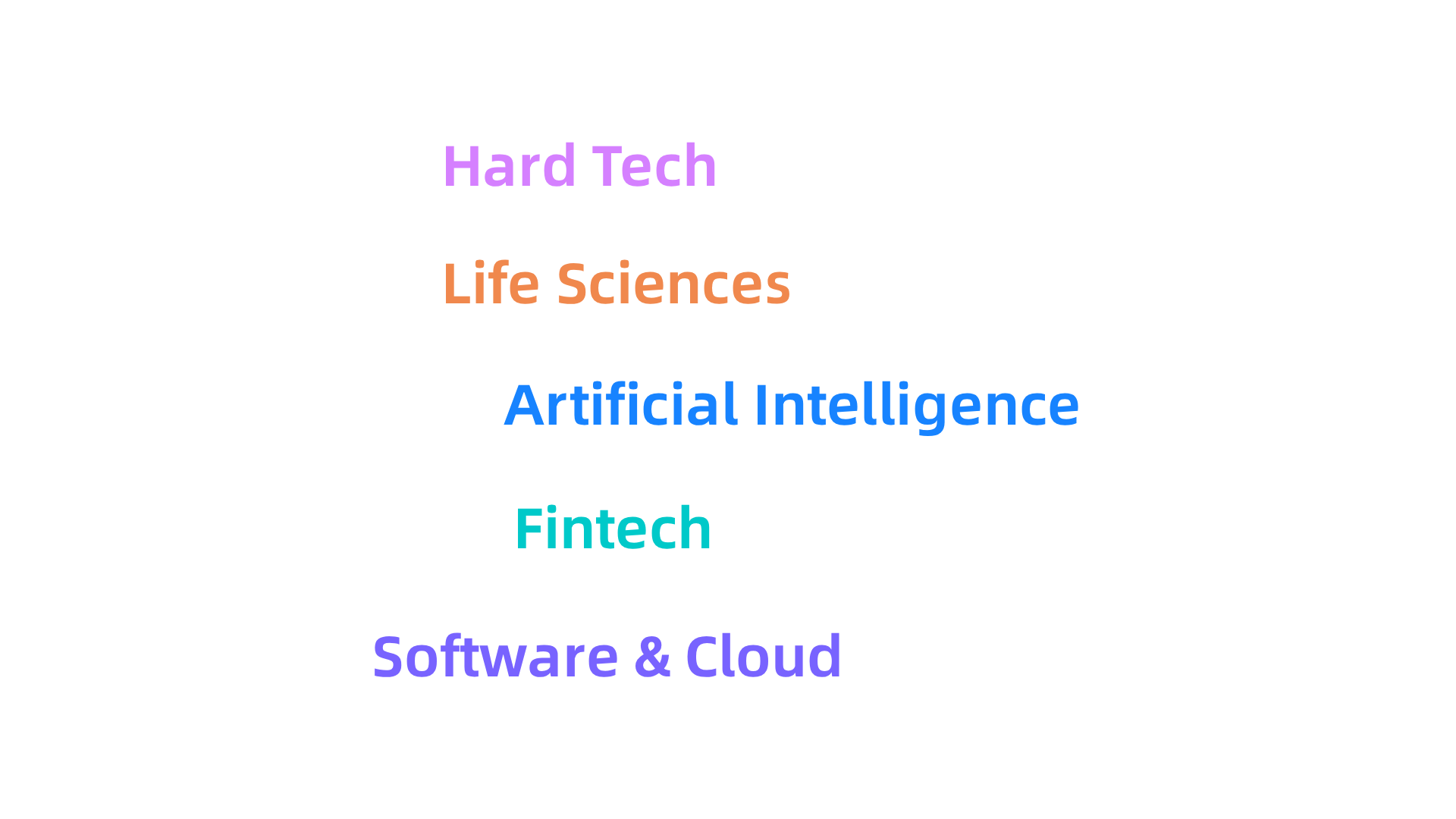
    Key technological themes shaping discussions and innovations at Utah Tech Week in 2026.

    • Artificial Intelligence (AI): AI is a huge topic. You’ll find many events focused on how AI can help businesses, from making things run smoother to creating new products. For example, there are often talks about AI for Business Performance and ways to use AI to save time and money. Companies like Gede AI, for instance, are showing strong growth in this area. If you’re looking to understand how AI can drive your business forward, you might find valuable insights in sessions about unlock business growth with US tech solutions and AI in 2026.
    • Fintech: This track looks at new technologies changing how we deal with money, like online banking, digital payments, and new ways to invest. The University of Utah often hosts special conferences on AI-Native Banking & Fintech, showing how important this area is.
    • Life Sciences: This covers new ideas in health, medicine, and biology. Many startups in Utah are doing amazing work in this field, from new medical devices to better ways to find cures for diseases. Events often feature pitches from companies like Microvascular Therapeutics, which recently raised money to support its work. BioHive Week 2026 also has events that partner with Utah Tech Week, showcasing innovation in this sector, like the U Startup Launchpad.
    • Hard Tech and Advanced Manufacturing: This track focuses on physical products and big systems, sometimes called stark tech. This could include things like aerospace, defense, and manufacturing. The Zero Gravity Summit is a key event within this track, bringing together leaders in these fields Hard Tech. You might also find discussions on trimble tech, which refers to advanced positioning and modeling technologies.
    • Software and Cloud Solutions: As always, software is a big part of tech week. Many companies, often known as software technology inc firms, will show off new applications, cloud services, and ways to make businesses more efficient. You might see new apex technology solutions designed to streamline operations or improve data management.

    By looking at these themes and what’s happening in them, you can better plan your Utah Tech Week experience. It helps you find the right people and the right ideas to help your business grow and stay ahead. This approach is key to tracking major technology news for smart business decisions in 2026.

    After you know which tech areas, or tracks, like AI or life sciences, are most important for you, the next big step at Utah Tech Week is to look at the many companies and startups showing off their work. This event is a great chance to see new ideas and find possible partners. Knowing how to quickly check out these companies can save you a lot of time.

    How to quickly check out companies and startups

    When you walk around Utah Tech Week, you’ll see many booths and presentations. It’s like a big marketplace of ideas!

    A team actively collaborating, brainstorming, and discussing project ideas in a dynamic setting.

    To decide which companies are worth a closer look, focus on a few key things:

    • Traction: This means how much a company has already achieved. Have they sold a lot of their product? Do they have many users? Did they just get a big investment? For example, seeing that a company like Microvascular Therapeutics raised money for its work shows good traction, especially in the life sciences field Microvascular Therapeutics…. A startup like Hydroblok, which partners with bigger companies like DuPont, also shows strong progress in stark tech solutions for building DuPont Partners With Hydroblok to Modernize Water-Resistant ….
    • The Team: Who is behind the company? Do they have a lot of experience? Are they passionate about their idea? A strong team is a good sign that a company can handle challenges and grow.
    • Demo Readiness: Can they show you how their product or service works right there? A good demonstration helps you understand their solution quickly. Events like "Demo Days" are perfect for this, where startups from places like the Lassonde Entrepreneur Institute show off their work Demo Day | Lassonde Entrepreneur Institute | University of Utah. Also, the Startups Selected to Pitch at the 2026 Wilson Sonsini … is another excellent place to see many companies quickly.

    Looking at these points helps you decide which software technology inc firms or other tech businesses are truly making waves in 2026.

    Using on-site signals for follow-up

    The week itself is busy, so you’ll want to use your time wisely. Pay attention to how companies present themselves. Are their team members friendly and knowledgeable? Is their booth popular, or are people just walking by? These "on-site signals" can tell you a lot.

    If you find a company with exciting apex technology or a great team, don’t just grab a business card and leave. Try to have a quick, meaningful chat. Ask about their biggest challenges or what makes their product special. Then, make a note to follow up after Utah Tech Week is over. This way, you can pick out the most promising leads for future talks or partnerships. Many resources exist to help you evaluate AI companies to unlock business growth in 2026 and find top tech leaders.

    Keeping track of company highlights

    With so many companies at Utah Tech Week, it’s easy to forget who you saw and why you liked them. A simple table can help you keep track. You might even discover some great startup gadgets.

    Company Name Main Sector Key Product/Service Why I Liked It Follow-Up Action
    Gede AI AI Business AI tools Strong growth numbers Send email
    Medicaidsoft Software Healthcare software Solves a big application problem [February Founder Feature Spotlights Startup State Initiative
    (Your favorite) (Their sector) (Their solution) (What stood out to you) (Next step)

    By noting down these details, you’ll have a clear plan for your follow-ups. This makes the most of your time at Utah Tech Week and helps you connect with the right people and ideas. You can find more information about the full event schedule and participating companies on the Utah Tech Week official website.

    Now, after collecting all those company highlights from Utah Tech Week, the real work for decision-makers begins. You need to turn those exciting ideas and promising companies into practical choices for your business. This means moving from quick notes to a serious look at how a vendor can actually help you.

    Turning event insights into smart choices

    Moving from interesting chats to picking a business partner means you need a clear way to evaluate companies. This process is called vendor selection. It’s not just about who has the coolest new apex technology. It’s about finding solutions that truly fit your company’s needs and help you meet your goals. You need to start with what your business aims to achieve, not just a product’s features. This way, you can clearly see if a vendor will truly help you grow AI Evaluation Framework for Vendor Selection Done Right.

    When you’re evaluating a software technology inc or any tech firm from Utah Tech Week, think about both their tech side and their business side. The technical part looks at how well their solution works. The business part looks at things like customer support, how easy it is to use, and how they handle your data. For example, a trimble tech solution might have amazing technical specs, but if their support is bad, it could still be a poor choice. A good vendor selection process includes steps like defining your needs, making a shortlist, and checking contracts Vendor Selection Process: Steps, Criteria & Checklist Guide [2026].

    A quick checklist for vetting tech partners

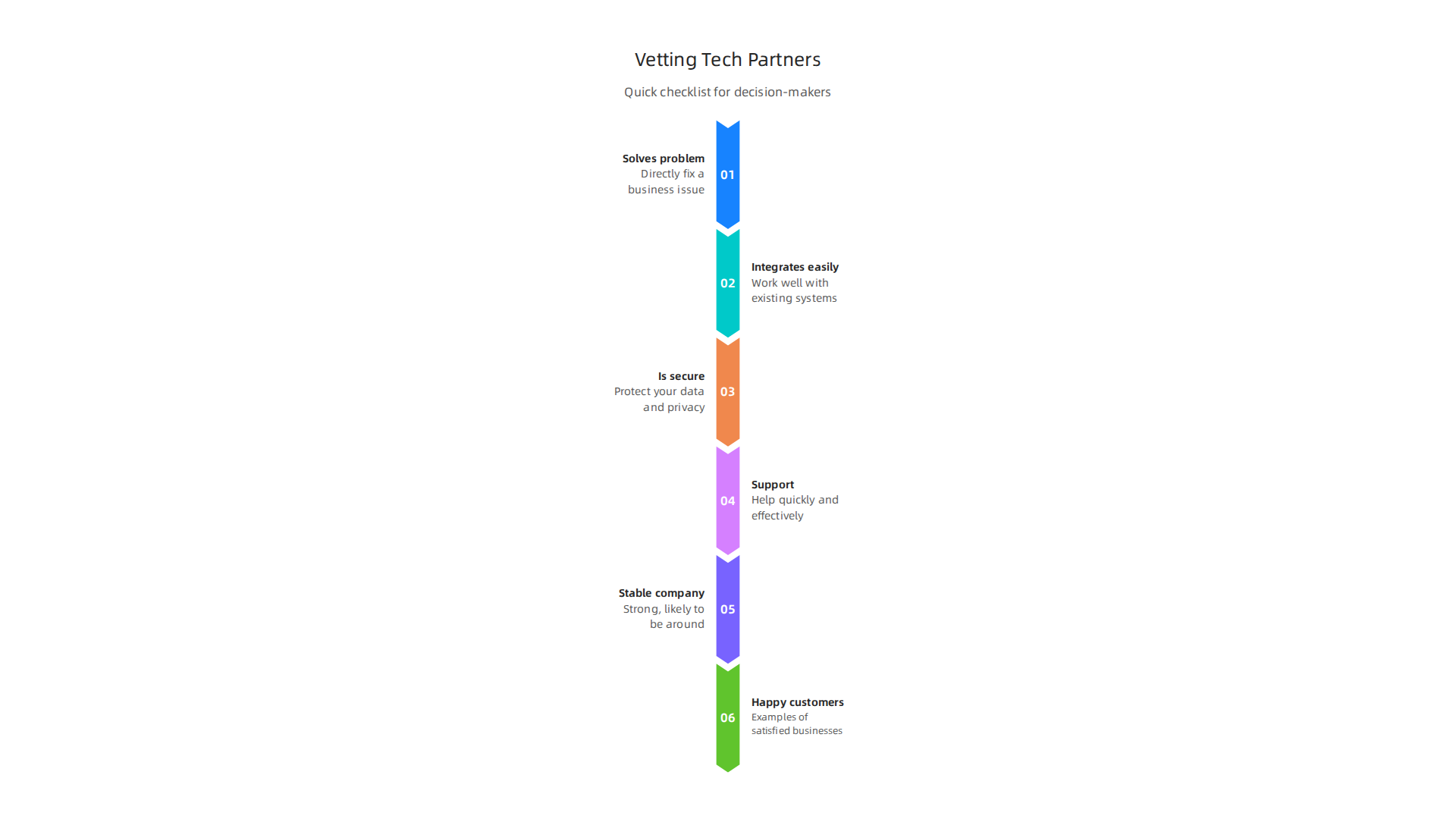
    When time is short, you need a quick way to check if a potential partner is a good fit. Here’s a simple checklist to help you quickly vet companies you met at Utah Tech Week:

    A practical checklist to evaluate potential tech partners discovered at Utah Tech Week.

    • Does it solve a real problem? Does their stark tech or service directly fix an issue your business has right now?
    • Can it connect easily? Will their solution work well with your existing computer systems and tools? Think about how simple or complex the integration will be.
    • Is it secure? How do they protect your data and privacy? This is super important, especially for any new apex technology you might adopt.
    • What’s their support like? If something goes wrong, can you count on them to help quickly and effectively?
    • Are they stable? Is the company itself strong and likely to be around for a while? This means looking at their team, funding, and past successes.
    • Do they have happy customers? Can they show you examples of other businesses like yours that are happy with their product?

    Thinking through these points helps you decide which companies are worth your deeper attention. It helps you focus on the ones that offer real solutions and strong partnerships. For businesses looking into AI, evaluating vendors means looking at capability, contract terms, integration, and total cost Enterprise AI Vendor Selection Framework 2026 Guide.

    Making the case: simple ROI for pilot projects

    After Utah Tech Week, you might find a company that seems perfect for a small test project, often called a pilot. But to get approval for this, you need to show that it’s a smart business move. This is where "Return on Investment" (ROI) comes in. ROI just means asking: if we spend money on this, what good things will come back to us?

    You don’t need fancy spreadsheets to start. Think about these simple questions:

    • Cost Savings: Will this new tool or service save your company money? For example, will it automate tasks that used to take many hours, reducing labor costs?
    • New Revenue: Could this solution help you make more money? Maybe it attracts new customers, or lets you offer new services.
    • Better Efficiency: Will it make your team work faster or better? Even if it doesn’t directly save money or make new money, being more efficient can lead to other good things. For example, a phased approach with pilot testing helps ensure a new system works well before full use Shodhshauryam, International Scientific Refereed Research Journal.

    When pitching a pilot, focus on these clear benefits. Say something like, "If we try this new software technology inc for three months, we expect to save 10 hours a week on X task, which equals Y dollars." This practical way of thinking about ROI helps make a strong case. Enterprises should connect vendor selection to measurable ROI, not just new tech ideas How Enterprises Should Evaluate AI Vendors in 2026.

    Staying informed about the latest tech insights and practical applications of AI is key to making these decisions.

    Get clear daily AI updates from The AI Newsletter Worth Reading.

    To truly unlock business growth with new technologies, it’s important to understand how to choose and adopt the right solutions. For more on this, check out our guide on how to unlock business growth with US tech solutions and AI in 2026 and learn more about mastering specialized AI tools.

    Networking, Hiring, and Funding Opportunities During the Week

    Utah Tech Week is more than just learning about new apex technology or stark tech. It’s a goldmine for growing your business through new connections. You can find future employees, meet investors, or even connect with partners. But to really make the most of it, you need a smart plan for networking.

    Professionals engage in conversations and exchange ideas in a bustling event environment, making new connections.

    Research shows that startups attending big networking events can boost their funding rounds by a lot, sometimes up to 30% How to Network at Industry Events: A 2026 Guide for Startups & Enterprises.

    Planning Your Networking for Talent and Investors

    Before you even step into the event, do your homework. Look at the speaker list and who else is signed up to attend. Pick five to ten people you really want to talk to and know exactly why you want to speak with them Networking Strategies at Tech Conferences: A Guide. Maybe one is a leader at a software technology inc you admire, or another is a known investor in trimble tech solutions. You can even reach out to them on LinkedIn before the event to say hello Tips for Networking in the Tech Industry.

    When you talk to people, remember these tips for quick, good conversations:

    Essential tips for engaging in effective and memorable conversations during networking events.

    • Introduce yourself simply. Say your name and what you’re building. Explain what your product does in just one sentence.
    • Be clear about what you need. Are you looking for a co-founder, an engineer, or an introduction to someone specific?
    • Ask thoughtful questions. Show you’re interested in what they do.

    Being prepared helps you connect with the right people, whether you’re looking for new talent or hoping to secure funding. It’s all about creating good relationships that can lead to future growth, as good networking helps expand your connections and create new chances Guide to Effective Networking at a Tech Event.

    Signals for Early Funding Interest and Top Candidates

    During your conversations at Utah Tech Week, pay close attention to clues.

    • For investors: If someone asks deep questions about your business model, market size, or your team’s experience, it might signal real interest in funding. They might also mention other companies they’ve invested in or suggest a follow-up meeting.
    • For job candidates: A potential hire might ask about your company culture, career growth, or specific challenges your team faces. They might share their skills and how they could solve those problems.

    It’s about having clear goals for each conversation. Knowing what you want to achieve is key to successful networking 24 Tips for How To Network at a Conference (With Benefits). For example, founders often attend these events to find investors, customers, partners, and talent Best Practices for Networking at an Event.

    Converting Connections into Hires or Investments

    The real magic happens after Utah Tech Week. Follow-up is crucial. Make sure to send a short, personal message within 24 hours of meeting someone How to Network at Tech Events: A Founders Playbook.

    • Be specific: Mention something unique you talked about. This helps them remember you.
    • State your purpose: Remind them if you’re looking for a follow-up call about funding, or if you want to share a job opening.
    • Keep it short and to the point.

    A good follow-up can turn a quick chat into a lasting connection, whether it’s for a new hire or a funding opportunity. Planning your approach before, during, and after the event makes a big difference How to Network at a Conference: Before, During and After. If you’re looking to find the right people for your team, learning how to identify AI leadership can also be very helpful.

    Staying updated with the latest in AI and tech is essential for all business leaders. Discover practical insights every day.

    The AI Newsletter Worth Reading

    Making sure you use Utah Tech Week effectively means thinking about the whole event, not just networking. It’s about how you plan, what you do during the event, and how you follow up with different kinds of connections.

    Planning Your Visit to Utah Tech Week

    A good visit starts long before the event. You need a clear plan to get the most out of your time and money.

    • Set your goals: What do you hope to achieve? Are you looking for new software, learning about specific apex technology trends, or finding partners for your trimble tech project? Write these down.
    • Check the schedule: Utah Tech Week in 2026 often runs in early February, from February 2 to February 7, or in October for certain hard tech events, like October 26-30 Utah Tech Week 2026 | Wilson Sonsini. Look at all the available sessions and make a personal calendar. You can register at the main Utah Tech Week website to get updates and the full schedule Utah Tech Week.
    • Pick your sessions: Don’t try to do everything. Choose the talks, workshops, or panels that directly help your goals. If you’re into stark tech, look for sessions on that.
    • Identify key people: Beyond investors and job seekers, think about who else you might want to meet, like other company founders or experts in software technology inc.

    Making the Most of Demo Days and Office Hours

    Demo days are special events where companies show off their new products or ideas. These are common during Utah Tech Week, with events like BYU Sandbox Demo Day or Lassonde Demo Day happening in the spring BYU Sandbox Demo Day Showcases Cohort Six – TechBuzz News.

    • Prepare your questions: If you’re looking for a solution, know what problems you need solved. Ask specific questions about how their product works, how it helps businesses, and what kind of support they offer.
    • Have your pitch ready: If you’re showcasing your own idea, have a short, clear explanation of what you do.
    • Take good notes: Write down who you talked to, what you discussed, and any important details. This helps you remember later.

    An individual diligently reviews notes, reflecting on key discussions and plans from a recent event.

    You can also record short video notes if allowed.

    Office hours are another great chance to get one-on-one time with experts or company leaders. Come ready with specific questions or challenges you’re facing. This personal attention can be very valuable.

    Turning Vendor Talks into Business Pilots

    After Utah Tech Week, your follow-up with potential vendors is just as important as your follow-up with investors or hires. Instead of just a thank you, think about how to move towards a pilot program. A pilot is a small test of a product or service before you fully commit.

    • Review your notes: Look back at your conversations. Which vendors seem like a good fit for your needs?
    • Send a tailored follow-up: Remind them of your conversation and suggest a next step, like a call to discuss a pilot.
    • Consider a trial: Many companies offer free trials or pilot programs. Ask for one that fits your needs.
    • Evaluate carefully: When choosing a vendor, think about how well their solution fits your business needs, not just cool features. A good evaluation framework looks at things like business outcomes and overall cost, not just technical flash Enterprise AI Vendor Selection Framework 2026 Guide. A phased approach, with testing and refining, is key to making sure a new tool works well before you use it widely Shodhshauryam, International Scientific Refereed Research Journal.

    By carefully planning your attendance, making the most of demo days, and thoughtfully following up with vendors, you can make sure your time at Utah Tech Week truly helps your business grow. To make smart decisions about new tools, learn more about how to choose the best AI tech products for your team in 2026.

    Summary

    This concise guide helps busy decision-makers get maximal value from Utah Tech Week 2026 by explaining what the week is, who shows up, and which themes matter most (AI, fintech, life sciences, hard tech, and software). It walks you through practical pre-event planning—how to pick tracks and sessions—and on-site tactics for quickly vetting startups using traction, team strength, and demo readiness. The article then shows how to convert conversations into measurable vendor pilots, provides a fast vendor-vetting checklist, and outlines networking tactics to hire talent or attract funding. You’ll learn concrete steps for follow-up, making an ROI case for pilots, and building a shortlist of partners so Utah Tech Week becomes a source of repeatable, business-ready outcomes.