
Introduction
You have probably seen "artificial intelligence" written three different ways in the same day. Sometimes it is lowercase. Sometimes it is capitalized. Sometimes it appears as "AI" with both letters uppercase.
This small detail might not seem like a big deal. But here is the thing: how you write "artificial intelligence" sends a signal about your attention to detail. Whether you are drafting a business report, writing a blog post, or submitting an academic paper, consistency matters.
Correct capitalization of technical terms shows your reader that you know what you are talking about. In 2026, with AI becoming a part of nearly everything we do, getting the small stuff right matters more than ever.

The AI world is moving fast. According to Forbes Advisor, adoption rates are the highest for organizations in India at 59%, followed closely by the United Arab Emirates at 58%. As AI spreads across marketing, customer service, and software development, clear communication about the technology is essential.
This article will clear up the confusion around one simple question: is artificial intelligence capitalized? We will walk through the standard rules, look at real-world examples, and help you write with confidence.
At the same time, we will build a foundational understanding of what AI actually means in 2026. You do not need to be an information technology expert to follow along. We will keep things practical and useful.
So let us start with the basics and work our way up. Along the way, you will discover artificial intelligence in a way that feels approachable, not overwhelming.
If you want to keep learning as the AI landscape changes daily, The AI Newsletter Worth Reading delivers clear updates straight to your inbox.

The Origins of Artificial Intelligence
Where did artificial intelligence come from? The story starts back in the 1950s. That is when a British mathematician named Alan Turing started asking whether machines could think.
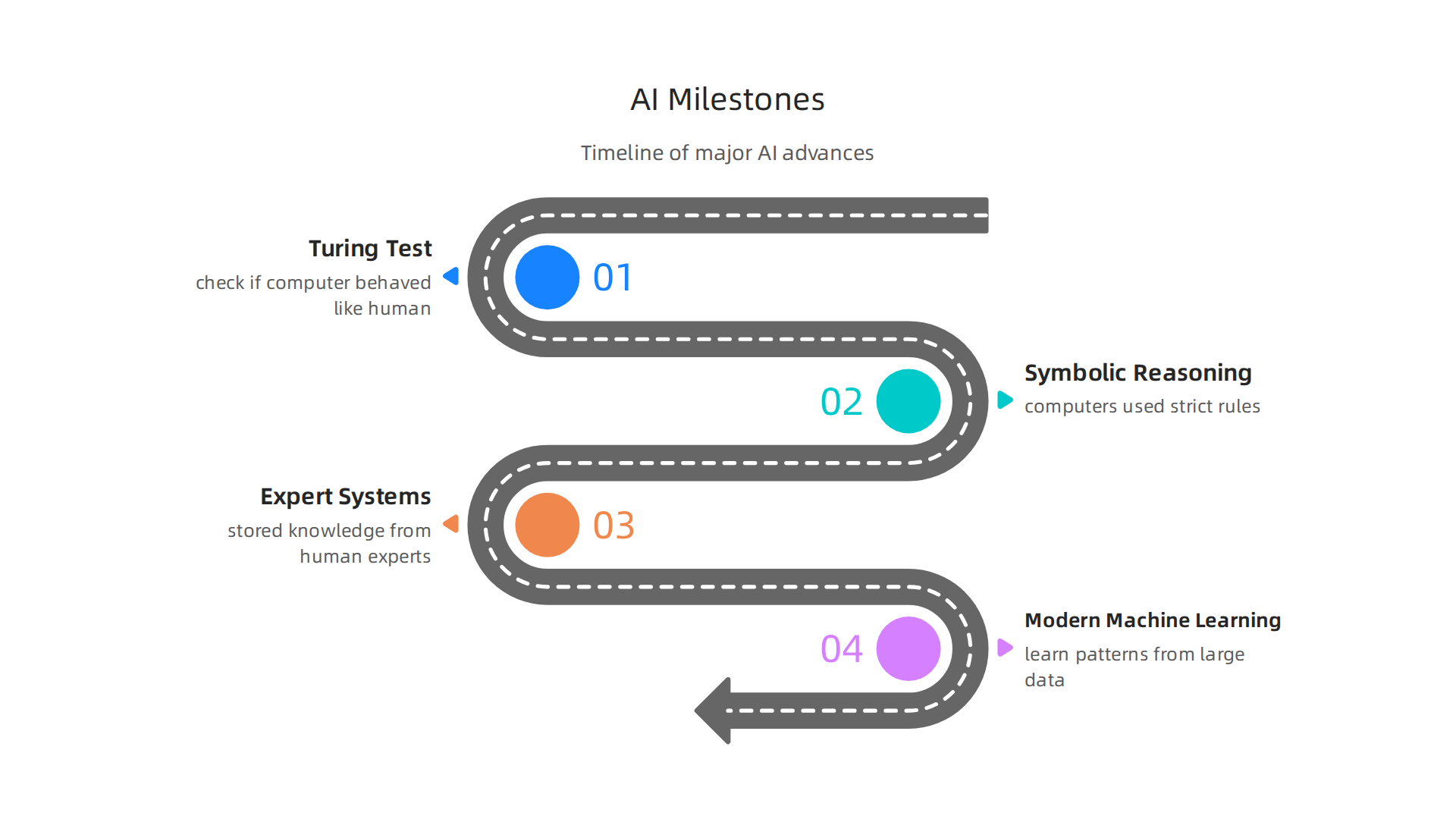
He created a famous test called the Turing test to check if a computer could behave like a human. His work laid the foundation for what we now call AI.
After Turing, the field split into different paths. Early researchers focused on symbolic reasoning, where computers used strict rules to solve problems. This approach worked for math and logic but struggled with real-world tasks. Then came expert systems in the 1980s. These were programs that stored knowledge from human experts and answered questions like a consultant would. They were useful, but they could not learn or adapt on their own.
Modern machine learning changed everything. Instead of following fixed rules, these systems learn patterns from large amounts of data. Deep learning and neural networks now power tools like language models, image recognizers, and virtual assistants. Today’s AI world moves fast, but its roots go back to simple questions about thinking machines. If you want to understand the full timeline, check out the 1956 workshop that started it all.
So is artificial intelligence capitalized? We will get to that. But first, knowing where the term came from helps you see why the capital letter question even matters. For a clear definition of the technology itself, NASA’s explanation of artificial intelligence is a great place to start.

Key Subfields Defined: ML, DL, NLP and More
You are probably still wondering, is artificial intelligence capitalized? We will answer that soon. But first, let’s break down what AI actually includes. AI is not one single thing. It is a big umbrella that covers several key subfields.
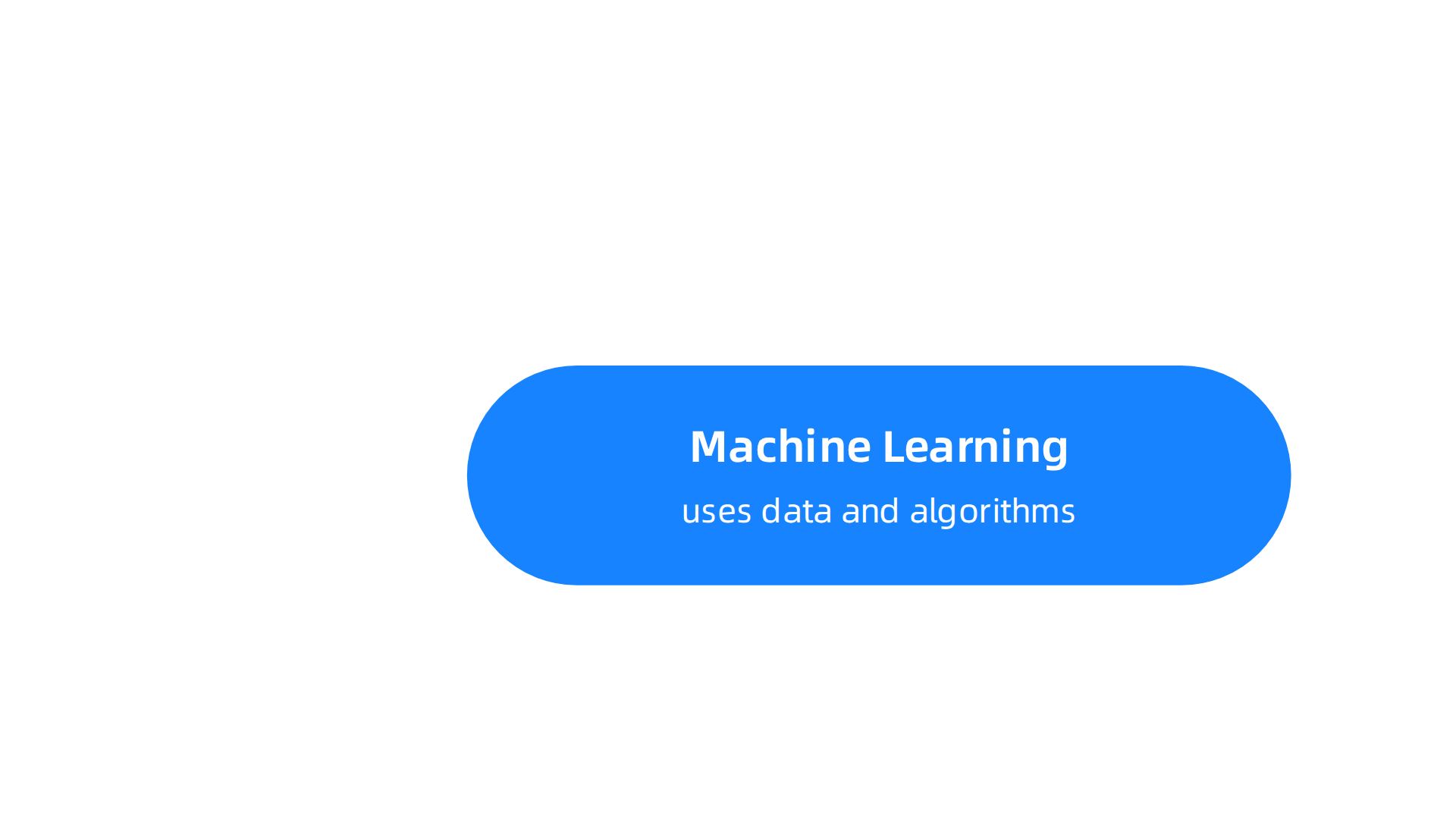
Understanding these subfields helps you see what AI can and cannot do right now.
The most common subfield is machine learning (ML). Machine learning uses data and algorithms to find patterns and make predictions without being told exactly what to do. For example, Netflix uses ML to recommend shows. For a deeper look at how ML works, check out this 2026 guide to artificial intelligence subfields and machine learning.
Deep learning (DL) is a more advanced part of machine learning. It uses neural networks with many layers to handle complex tasks like recognizing faces or understanding speech. That is why voice assistants like Siri and Alexa can understand what you say.
Natural language processing (NLP) is another important subfield. NLP trains computers to understand and use human language. Tools like chatbots, translation apps, and grammar checkers all rely on NLP. If you want to see NLP in action, explore how AI virtual assistants for business use language understanding every day.
Computer vision is also part of AI. It lets machines "see" and interpret images and videos. Self-driving cars, medical scan analysis, and photo tagging all depend on computer vision.
These subfields work together in many modern AI tools. The more you know about them, the easier it becomes to understand how AI fits into your work and life. And yes, we are still coming back to the capitalization question.
If you want to stay updated on the latest in ML, DL, and NLP, get clear daily AI updates from The AI Newsletter Worth Reading. It delivers clear daily AI updates straight to your inbox.
The Great Capitalization Debate: Why It Matters
So is artificial intelligence capitalized or not? The answer depends on who you ask. Different style guides give different rules, and the context of your writing often decides what is correct.

For most everyday writing, the Associated Press (AP) Stylebook says to write "artificial intelligence" in lowercase. You only use "AI" (capitalized) after you have spelled it out the first time. As one style expert explains in an article about how to write artificial intelligence, AP style still requires the full phrase on first reference before using the abbreviation.
The Chicago Manual of Style and MLA follow similar thinking. They treat "artificial intelligence" as a common noun, so it stays lowercase unless it is part of a title, heading, or proper name.
But things change in other settings. In academic or professional contexts, you might see "Artificial Intelligence" capitalized when it refers to a specific course, program, or department name. For example, a university might offer a degree in "Artificial Intelligence" as an official title. Branding and event names also use capitalization for effect.
The bottom line: for general news, blog posts, and most business writing, keep it lowercase. For titles, acronyms, and official names, capitalize. If you want to learn more about where the term "artificial intelligence" originally came from, read about when artificial intelligence was first created to see how far the field has come.
Knowing these rules helps you write with confidence and avoid confusing your readers. Consistency matters more than picking one side.
Rules from Major Style Guides
To keep your writing consistent, it helps to follow a trusted authority. Three of the most popular style guides the Associated Press Stylebook, the Chicago Manual of Style, and MLA all agree on the same basic rule. In general writing, "artificial intelligence" stays lowercase.
The Associated Press Stylebook is the most common guide for news and blogs. According to the detailed capitalization of artificial intelligence guidelines, AP Style treats "artificial intelligence" as a common noun. That means you write it in lowercase every time, unless it appears in a title, heading, or official name. You always spell out the full term on first reference and then use "AI" in capital letters after that.
The Chicago Manual of Style works the same way. It recommends lowercase for "artificial intelligence" unless the term is part of a proper noun like a course title or a specific program name. So you might write "Bachelor of Science in Artificial Intelligence" for an official degree, but "she studied artificial intelligence" in a sentence.
MLA follows Chicago closely. It keeps "artificial intelligence" lowercase in most contexts and only capitalizes when the term is used in a title or as part of a proper noun.
Grammar Girl offers practical AP style tips for writing about AI. She reminds writers to skip periods in "AI" and to never describe AI with humanlike words. No "he," "she," or "the AI thinks." Just use "it."
If you want to improve your own AI writing, check out this guide on how to write content that sounds human. It shares simple techniques for blending AI help with your natural voice.
And if you want fresh updates on AI writing rules and best practices, subscribe to The AI Newsletter Worth Reading. It delivers clear daily tips straight to your inbox.
Context Matters: When to Capitalize
So you know the basic rule from the style guides. But real life is not always simple. Sometimes you see "Artificial Intelligence" with capital letters, and it is actually correct. The trick is knowing when context changes the rule.
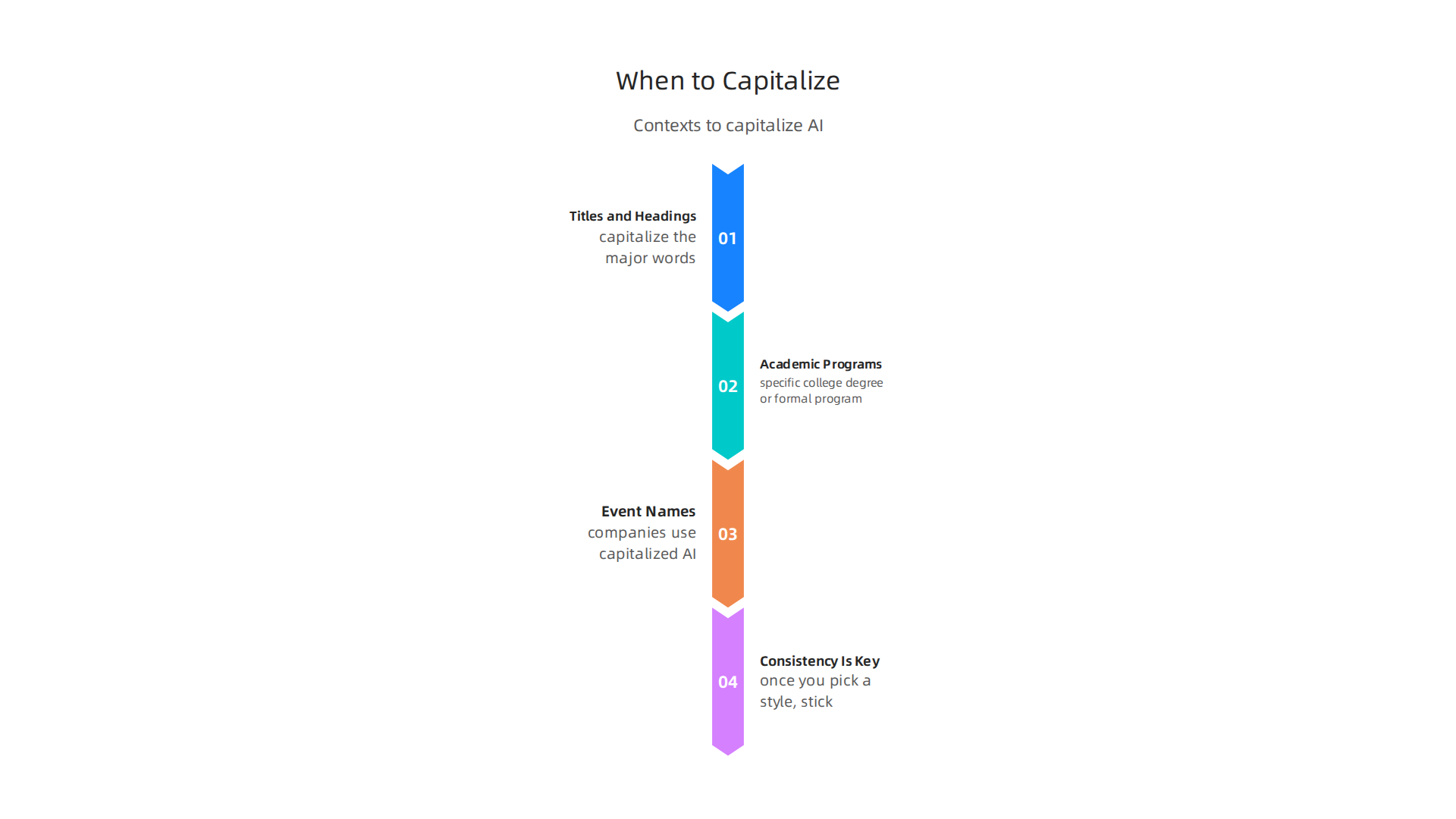
Here are the main times you should capitalize the term:
In Titles and Headings
When you write a book title, a blog post headline, or a chapter name, use title case. That means you capitalize the major words. So a research paper called "Advances in Artificial Intelligence" is correct. The same goes for conference names like "Artificial Intelligence Summit 2026." According to the capitalization guidelines for artificial intelligence, this is a standard practice in publishing.
In Academic Programs and Official Names
If you are writing about a specific college degree or a formal program name, capitalize it. For example, "She earned a Bachelor of Science in Artificial Intelligence from MIT." The term becomes part of a proper noun. But if you just say "she studied artificial intelligence in college," keep it lowercase.
In Branding and Event Names
Companies and events often use capitalized "Artificial Intelligence" as part of their brand. Think of product names, large conferences, or trade shows. This follows marketing rules, not grammar rules.
Consistency Is Key
Here is the most important tip. Once you pick a style for your document, stick with it. It is better to be consistent than to flip back and forth. If you keep most sentences lowercase but capitalize a few times in headings, that is fine. Just do not mix lowercase and uppercase in similar spots on the same page.
For a deeper look at how the term came to be, check out this guide on when artificial intelligence was first made. It helps explain why the term carries so much weight today.
AI Terms You Need to Know: A Quick Reference Guide
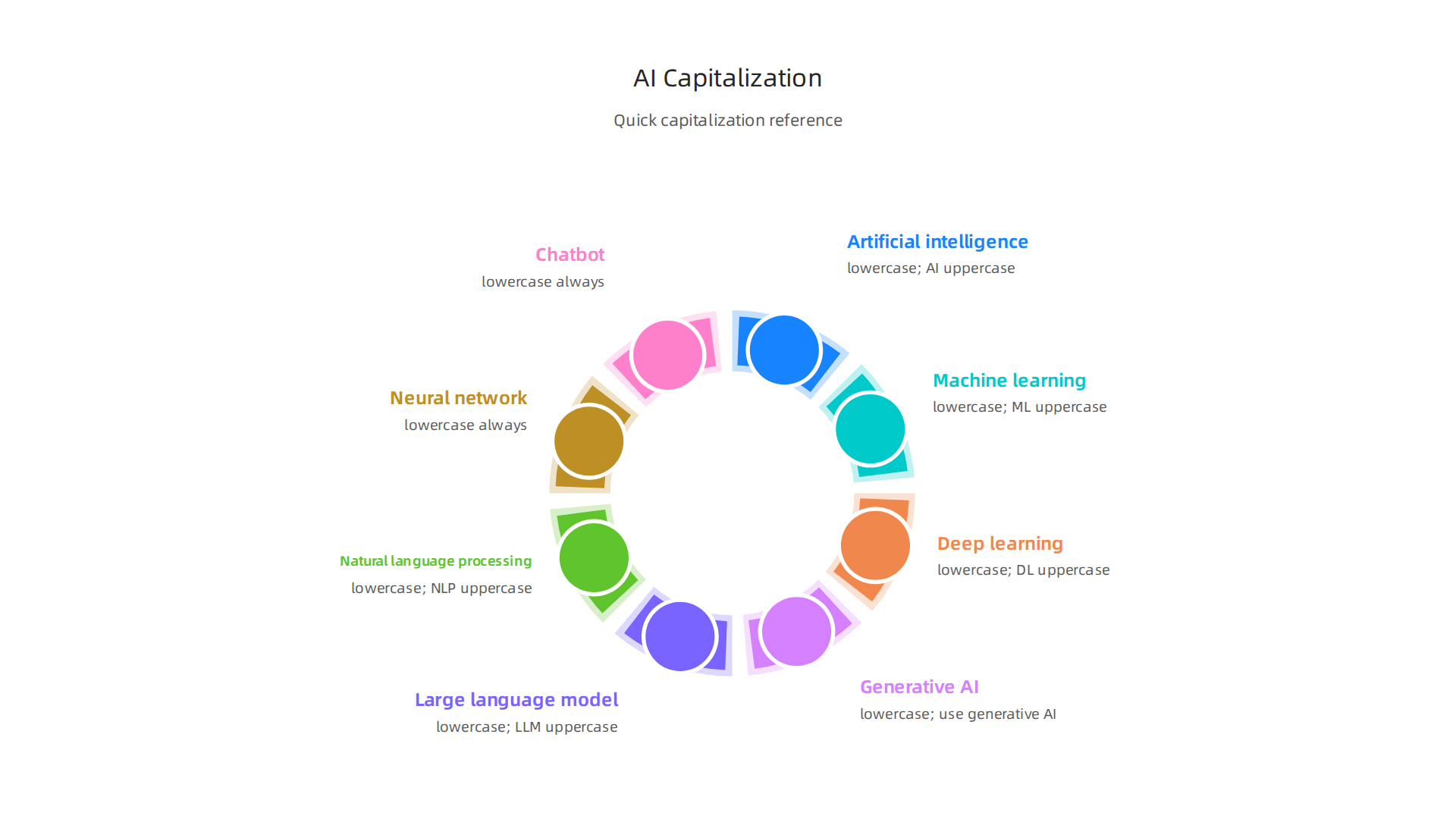
Now that you understand the rules, let’s put them into practice. Here is a handy table of common AI terms with their preferred capitalization and definitions. Bookmark this page for the next time you write or evaluate a new tool.
| Term | Correct Capitalization | What It Means |
|---|---|---|
| artificial intelligence (AI) | Lowercase unless in a title, official name, or proper noun. The acronym AI is always uppercase. | Technology that mimics human thinking to solve problems or complete tasks. |
| machine learning (ML) | Lowercase generally. ML is always uppercase as an acronym. | A subset of AI where computers learn from data without being explicitly programmed for every step. |
| deep learning (DL) | Lowercase generally. DL is always uppercase as an acronym. | A more advanced layer of machine learning that uses neural networks with many layers to find patterns. |
| generative AI (gen AI) | Lowercase for "generative artificial intelligence" on first reference. Use "generative AI" or just "AI" after that, per the AP Stylebook guidance from a recent LinkedIn post about generative AI writing. | AI that creates new content like text, images, or music based on training data. |
| large language model (LLM) | Lowercase generally. LLM is always uppercase as an acronym. | A model trained on massive text datasets to understand and generate human-like language. |
| natural language processing (NLP) | Lowercase generally. NLP is always uppercase as an acronym. | The field of AI that helps computers understand, interpret, and respond to human language. |
| neural network | Lowercase always. | A computer system modeled loosely after the human brain, with interconnected nodes that process information. |
| chatbot | Lowercase always. | A program that simulates conversation with users, often using AI. |
Why this table matters for your writing
When you use consistent capitalization across AI terms, your writing looks professional and credible. It also helps you when you research and evaluate tools. If you see a product page that writes "Machine Learning" in the middle of a sentence, you know they are using branding style rather than standard grammar. That is fine for marketing but not for your own content.
For example, according to the AI capitalization guide from Slideserve, "artificial intelligence" should be written in lowercase in most situations. The same resource confirms that "AI" as an acronym is always capitalized. Keep these rules in mind, and your writing will match what editors and style guides expect.
Beyond the basics
If you want to explore practical AI tools that use these technologies, check out this guide to trusted AI websites professionals rely on for real news. It can help you see how these terms are used in the real world.
And if you want to stay sharp on the latest AI developments and terminology
, consider getting clear daily AI updates from The Deep View Newsletter. It is a practical way to keep your knowledge current as the field evolves in 2026.
How Businesses Are Adopting AI in 2026
Have you noticed how many companies mention artificial intelligence these days? It is not just hype anymore. In 2026, the numbers are staggering.
Recent data shows that almost 88% of companies now use AI in at least one business function. That is according to the latest research on what percentage of companies use AI worldwide. Some estimates go even higher. One report found that 93% of companies are already using AI in some form, either directly or through vendors.
Here is what that looks like in practice.
Where are companies using AI the most?
The top areas include marketing and sales, customer service, and software development. For example, 56% of businesses use AI for customer service. Another 51% rely on it for cybersecurity and fraud management. Content generation is also huge. Many teams now use AI to write emails, create social media posts, and draft reports. Data analysis and forecasting are close behind.
The State of AI 2026 report confirms that generative AI has the highest adoption rate among all AI technologies. About 81% of organizations across industries now use it regularly.
What does this mean for you?
If you are a business owner, manager, or team lead, these trends matter. When you understand how other companies are using AI, you can make smarter choices about your own tools.

You can spot opportunities to save time, cut costs, or improve your customer experience.
For example, if you run a small business, you might want to check out AI virtual assistants for businesses.

These tools can handle routine tasks like scheduling and data entry. That frees up your team for higher-value work.
The bottom line is clear. AI adoption is not slowing down. It is becoming a standard part of how companies operate. The question is not whether to use AI. It is how to use it well.
Common Misconceptions About AI
To use AI well, you first need to clear up what it can and cannot do. A lot of confusion still trips up smart leaders.

Let us look at the most common myths holding businesses back.
The first myth is that AI understands things like we do. Many people think AI has thoughts or feelings. It does not. It predicts patterns based on data. That is all. This is why questions like is artificial intelligence capitalized as a unique field are worth asking. AI is a category of information technology, not a living thing. Understanding that helps you set better expectations.
The second big myth is that AI will wipe out jobs completely. The reality is more balanced. AI handles routine tasks so humans can focus on strategy, creativity, and personal connection. For a full breakdown of what AI can and cannot replace, check out this guide on debunking common AI myths.
A third misconception is that AI transformation is too big and risky. That fear can cause leaders to freeze up. But small projects can lead to big wins. You do not need to overhaul everything at once. The real risk is waiting too long. The 4 myths about AI that may hold your business back show how inaction costs more than cautious experimentation.
When business leaders discover artificial intelligence tools that fit their workflow, they see real gains. But you have to ignore the noise first. Knowing the limits of AI helps you pick the right use cases. For a closer look at how teams are balancing AI with human input, read our piece on human or AI creativity.
The ai world changes fast. What was true last year might be outdated now. That is why staying up to date matters. If you want to cut through the hype and get practical updates every day, there is one resource worth your time. The AI Newsletter Worth Reading from The Deep View gives you clear daily updates so you always know what matters.
Best Practices for Writing About AI
If you write about technology, you have probably asked yourself is artificial intelligence capitalized or not. The answer depends on how you use the term. Following a few simple rules helps your writing stay clear and professional.
Most style guides recommend using lowercase for "artificial intelligence" when talking about the field in general. You do not need to capitalize it unless it is part of a formal name like a course title or a product brand. The capitalization guidelines for artificial intelligence explain this standard approach. For example, you would write: "Many teams now use artificial intelligence to automate repetitive tasks." That is correct.
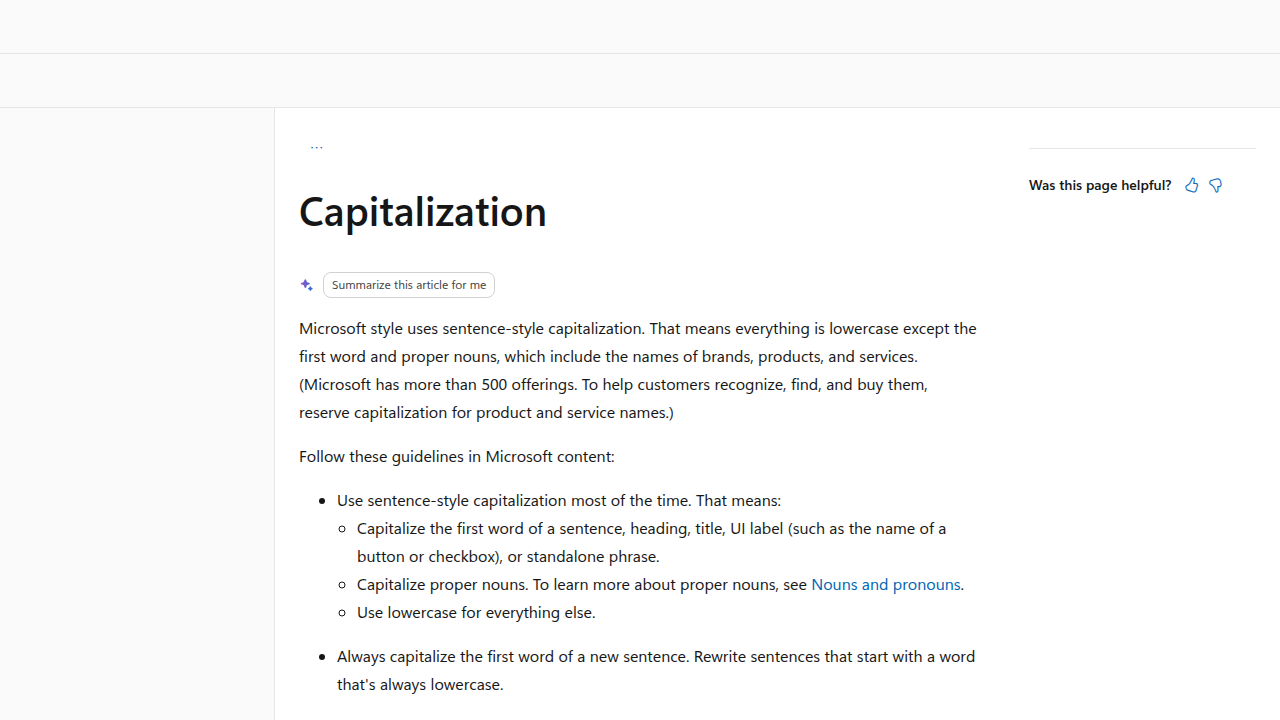
You should only capitalize "Artificial Intelligence" in specific situations. These include titles and headings, proper names of courses or programs, and branded event or product names. The acronym "AI" is always capitalized. The Microsoft capitalization style guide offers a clear framework for sentence-style capitalization in professional writing.
Another important rule is to always spell out "artificial intelligence" the first time you use it in a piece. Then you can switch to "AI" for the rest. This helps readers who are new to the topic follow along easily. Creating a shared style guide for your team also prevents confusion and builds consistency. The capitalization rules for business writing cover how to set these standards for your whole organization.
Why do these details matter? Because readers notice sloppy formatting. Inconsistent capitalization makes your content look rushed. If you want to discover artificial intelligence tools and write about them in a way that earns trust, getting the basics right is a good first step.
To learn more about the history behind this technology, read our piece on when artificial intelligence was first created.
Conclusion: Mastering AI Language and Concepts
So the short answer to "is artificial intelligence capitalized" is simple: lowercase for general use, uppercase only in titles or proper names. But mastering AI language goes beyond knowing where to put capital letters.
Staying informed about AI terminology builds your professional credibility. When you use terms correctly and understand what they mean, people trust what you say. The common AI myths in business show that many professionals still hold wrong ideas about what AI can and cannot do. Getting both the language and the facts right sets you apart.
Consistent writing about AI, combined with real knowledge of how the technology works, helps you make smarter decisions. You will know which tools fit your needs and which claims to question. You will spot hype before it tricks you. And you will communicate confidently with your team or clients.
A great way to stay sharp is to follow reliable sources. We recommend reading insights from top AI websites professionals trust for news and tools so you never fall behind.
Want clear daily AI updates delivered straight to your inbox? The AI Newsletter Worth Reading breaks down what matters most, in plain language.
Mastering AI language and concepts takes a little time. But once you get the basics right, everything else becomes easier. You write better, think clearer, and make choices that actually move your work forward.
Summary
This article answers the simple but important question of whether "artificial intelligence" should be capitalized and shows why that choice matters for clear, professional writing. It explains the term’s history and main subfields (ML, DL, NLP, computer vision) so readers understand what the phrase refers to, then walks through major style-guide recommendations—AP, Chicago, and MLA—showing that the phrase is normally lowercase while the acronym AI is always uppercase. The piece covers exceptions where capitalization is correct (titles, official program names, and branding), offers a handy capitalization table for related terms, and highlights common business misconceptions about AI adoption. Practical best practices and consistency tips help writers and teams set a style and stick with it. By the end, readers will know when to use "artificial intelligence" vs. "AI," how to apply style rules in context, and how to write about AI with credibility and clarity.