
Why R technology still matters for AI and data science in 2026
Many new tools pop up all the time in the world of computer technology and artificial intelligence. You might hear a lot about new programming languages or systems. But here’s a secret: some older, trusted tools are still very important. One of these is R technology. Even in 2026, R remains a strong choice for certain kinds of work in AI and data science.
You see, R is really good at specific things. It’s like a special tool built for numbers, graphs, and making sure your work can be checked by others. It shines when you need to do deep statistical analysis. This means looking at lots of numbers to find patterns and make sense of them. R is also excellent for creating clear and helpful data visualizations, which are like pictures that explain your data simply. Plus, it helps with reproducible analysis.
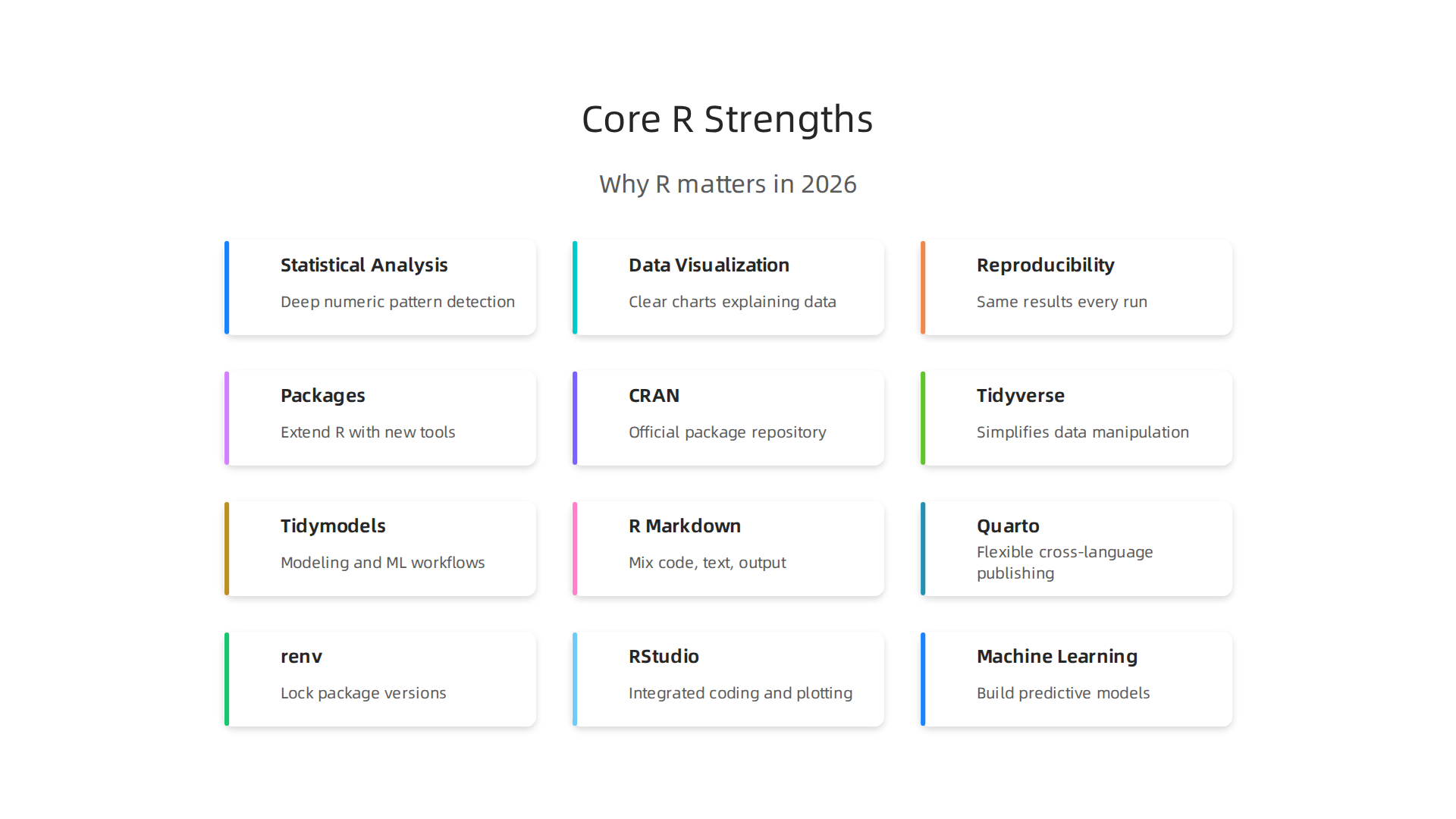
This means if someone else uses your R code, they will get the exact same results every time. These strengths make R technology very useful for many AI and analytics projects today.
One big reason R is still so powerful is its huge collection of "packages" or extensions. These are like mini-programs that add new abilities to R. There are over 10,000 such packages that users have made and shared freely, covering everything from basic tasks to very specific scientific calculations Prompt Engineering. For instance, the "tidyverse" is a popular group of R packages designed to make data science easier and more organized, helping with data handling, drawing pictures, and analyzing information R and RStudio in Digital Scholarship: The Tidyverse. This rich set of tools makes R a flexible choice for many different problems.
Some people might think R is only for old-school statistics, but that’s not true. It handles large amounts of data well and offers a simple way to program. The R environment is known for its strong tools for statistical analysis and plotting R Language – Research Computing at West Virginia University. Many professionals still rely on it for tasks that involve deep learning artificial intelligence models or complex data patterns.
This article will help you understand exactly where R technology fits in today’s AI work. We will look at real-world examples and help teams with limited resources decide when R is the right choice for their projects. Staying updated on all the different tools and technologies is key for making smart business decisions.

If you want to keep up with the latest in AI and computer technology, there’s a great way to do it.
Get clear daily AI updates from The AI Newsletter Worth Reading.
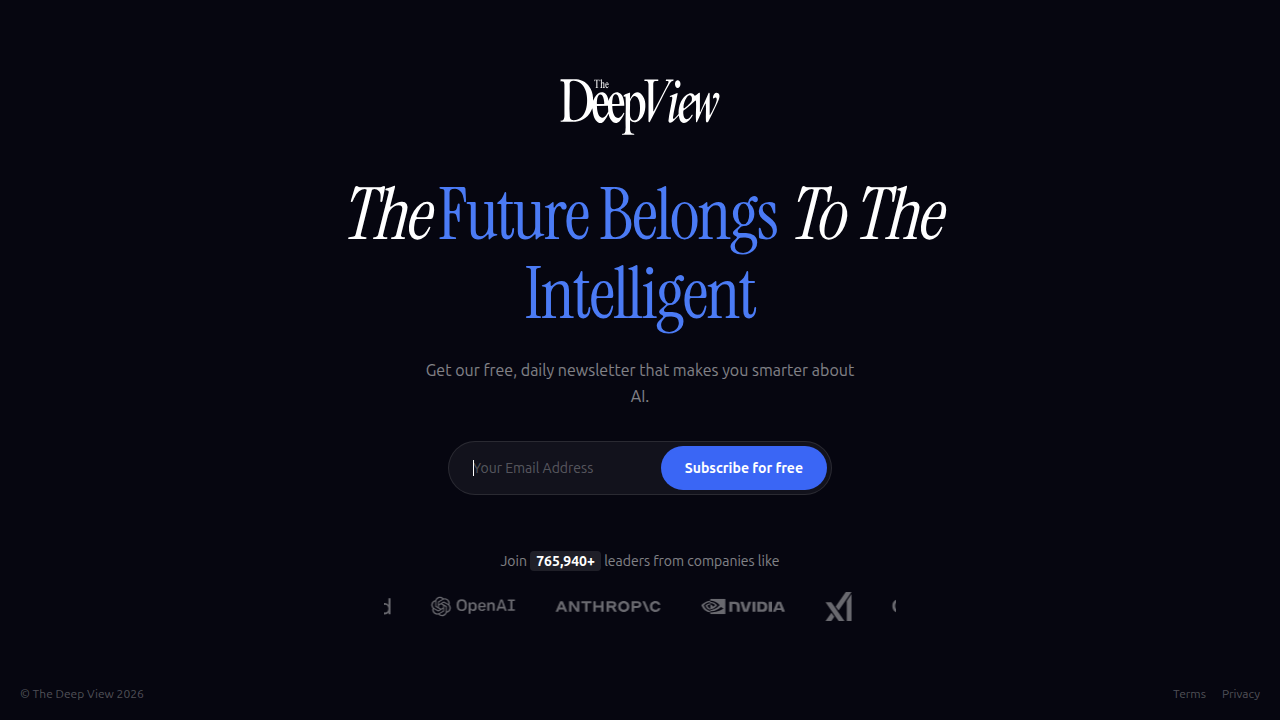
When we talk about R technology, we are not just talking about a single computer language. It is actually a whole system designed for working with data. Think of it like a special workshop with many different tools that all work together. Understanding these parts helps us see why R is so useful for deep learning artificial intelligence and other computer technology tasks today.
At the heart of it all is the Base R Language. This is the main part, the engine of R. It’s built specifically for numbers, statistical analysis, and making graphs. It helps you explore your data and see important patterns. R provides a strong environment for scientific computing, especially for statistics and creating plots R Language – Research Computing at West Virginia University.
Next, we have CRAN (The Comprehensive R Archive Network). This is like the official store for all the extra tools you can add to R. When people create new "packages" (mini-programs) for R, they often share them on CRAN. These packages are checked to make sure they work correctly and follow rules R Packages – Using R and Python. This makes it easy for anyone to find and use new features.
Speaking of Packages, these are what truly make R technology powerful. They add new abilities to the base language. There are thousands of these packages, covering almost any data task you can imagine. They help with everything from handling messy data to building complex deep learning artificial intelligence models.
Two very popular collections of packages are the tidyverse and tidymodels.
- The tidyverse is a group of R packages made to make data science simpler and more organized. These tools share a similar way of working, which means once you learn one, the others are easier to pick up. They are great for cleaning data, changing its shape, and drawing clear pictures from it R’s tidyverse Statistics 506.
- tidymodels is a newer set of packages that follows the same easy-to-use idea as the tidyverse, but it focuses on machine learning tasks. It helps you build and test AI models in a tidy, organized way tidylearn: A Unified Tidy Interface to R’s Machine Learning Ecosystem. This makes it simpler to create things like
arize aiorlupa aistyle predictions using R.
Finally, we have IDEs (Integrated Development Environments) like RStudio. An IDE is like a friendly workspace for writing code. RStudio makes working with R much easier because it brings together the code editor, a place to see your graphs, and tools to manage your projects all in one window. It helps you write, run, and check your R code smoothly.
All these parts make up the rich ecosystem of R technology. They work together to provide a flexible and powerful set of tools for anyone working with data, from simple number crunching to advanced deep learning artificial intelligence. Choosing the right tools for your projects can make a big difference, so it’s good to know what options are out there. Learning about different tools helps you make smart choices for your business. If you are looking to choose AI tools for your business, you can find helpful advice on how to choose AI for business tools that deliver real results.
The R language has a huge collection of special tools called packages. These packages are what make R technology so strong for working with data and building deep learning artificial intelligence models. Knowing about the different kinds of packages helps you pick the best ones for your projects. Think of it like a toolbox: you need to know what each tool does to use it well. Actually, there are over 10,000 user-made packages you can use, adding all sorts of functions to R Prompt Engineering.
These packages fit into different groups based on what they do:
Data Wrangling and Cleaning
Before you can use data, you often need to clean it up and put it in order. This is called "data wrangling." Packages in this group help you fix mistakes, change how data looks, and get it ready for analysis. The tidyverse collection, which we talked about before, has many great tools for this. For example, the dplyr package helps you filter, sort, and combine data easily.
Making Pictures from Data (Visualization)
R is famous for its amazing ability to create graphs and charts. These pictures help us understand what the data is telling us. For instance, the ggplot2 package, also part of the tidyverse, is one of the most downloaded R packages CRAN R Packages by Number of Downloads. It lets you make very detailed and pretty plots that show off your data’s story clearly. Good graphs are super important for explaining complex data.
Building Smart Models (Machine Learning and AI)
This is where R really shines for deep learning artificial intelligence and advanced computer technology. Many packages are made just for building AI models, from simple ones to complex deep learning systems. The tidymodels set of packages, which works like the tidyverse, helps you build and check these models in an organized way. Other packages focus on specific AI tasks, like making predictions or finding hidden patterns. For example, new packages for artificial intelligence and machine learning are added to CRAN regularly, showing how much R is used in this field in 2026 January 2026 Top 40 New CRAN Packages – daily.dev. These tools can help businesses create their own arize ai or lupa ai type solutions for various needs.
Sharing Your Work (Reporting and Deployment)
Once you’ve done your analysis or built an AI model, you need to share your results. R has packages that help you make reports, interactive apps, and even websites directly from your code. This means you can show off your findings in a clear way, making it easy for others to understand your r technology projects.
Choosing the right collection of packages, or "minimal viable stack," for your business needs can make a big difference. It helps teams work smarter and get more value from their data. Knowing these different types of packages allows you to make informed decisions about which tools will best help you reach your goals. If you’re looking for guidance on finding the right software, learn more about how to find AI tool discovery 2026: How to find trusted tech sources that deliver real business results and pick the best tools for your team.
Understanding the world of R packages is key to using this powerful computer technology for everything from simple data tasks to complex deep learning artificial intelligence. Keeping up with new tools can be a lot of work.
Get clear daily AI updates from The AI Newsletter Worth Reading.
R is a top choice for building smart models, especially when it comes to machine learning and deep learning artificial intelligence. This computer technology lets you create all sorts of models, from simple ones that predict things to very complex systems that learn on their own. The secret is in R’s many specialized tools, called packages.
For traditional machine learning, packages like caret help you prepare data, train different models, and pick the best one. It’s like having a special workbench for all your machine learning tasks. And if you like the tidyverse way of working, the tidymodels group of packages offers a modern and organized path for building and checking your models with r technology. These tools make sure your work is neat and easy to follow.
For even more advanced tasks, R connects with super powerful deep learning artificial intelligence libraries. This means you can use R to work with famous tools like TensorFlow and torch.

These connections allow R users to build cutting-edge AI, like the smart systems you see in arize ai or lupa ai solutions. It’s truly amazing what you can create when R teams up with these powerful deep learning engines.
When you’re developing AI models, it’s also important that your tools can talk to each other. This is called interoperability. R works well with other popular computer technology languages like Python, which means you can combine the strengths of both. This makes it easier to share your models and use them in different places. This idea of "model portability" ensures that the AI you build can actually be used wherever it’s needed, not just stuck on one computer. Having a clear and reliable way to do your work also helps make sure your models are always correct and can be checked by others Reproducible Research in R (and friends).
Choosing R for your AI model development means you get a powerful, flexible system with a huge community. It’s a smart decision for businesses looking to get real results from deep learning artificial intelligence. If you’re wondering which tools are best for your business, you can learn more about how to choose AI for business tools that deliver real results.
R technology is great for building smart models, but it also helps make sure your work is clear and can be checked by others. This is called reproducible research. R has special tools that let you create a full "end-to-end" workflow. This means you can manage everything from when you first get your data to showing off your final results in a report.
Literate Programming Tools for Clear Work
One big way R helps with clear work is through "literate programming." This is a fancy way of saying you can mix your computer code with your writing in the same document. It’s like writing a story about your data and your findings, with all the steps shown clearly.
- R Markdown: This tool lets you write reports, presentations, and even websites right from your R code. It mixes text with code and the results of that code. This makes it easy for anyone to see exactly how you got your answers and to check your work. It’s really useful for reproducible manuscript preparation with RMarkdown.
- Quarto: A newer, powerful tool, Quarto works much like R Markdown but is even more flexible. It helps you create many kinds of outputs, like articles or books, ensuring your work can be repeated and understood. It is a top choice for Quarto for reproducible research workflows and academic projects in 2026.
Beyond these tools, R also has ways to manage the specific versions of packages you use. The renv package, for example, makes sure that if you share your project, everyone uses the exact same R tools and settings. This is a key part of having a good reproducibility and workflow – Thinking in R.
Mapping R Workflows to Business Needs
For businesses, having a clear, repeatable process is super important. When you’re using r technology for something like deep learning artificial intelligence, you need to trust the results. R helps teams map out their entire workflow:
- Data Ingestion: This is about getting the data into R safely and correctly.
- Model Validation: This step checks if your AI models are working as they should. You want to know that your
arize aiorlupa aisolutions are making good decisions. - Reporting: This is how you share your findings in a way that others can understand and act on.
Businesses should set up clear steps for all parts of their R projects, from the very beginning to the very end. This means documenting everything and making sure each step can be repeated. This kind of project-based approach is key for Chapter 9 Reproducible research in any computer technology work. It helps your team make informed choices and ensures that your AI tools deliver real results.
Using r technology this way means your AI projects are not just powerful, but also reliable and easy to understand. This builds trust in the AI results across your whole business.
To stay on top of all the latest AI trends and how they impact business, you’ll want trusted information.
The AI Newsletter Worth Reading delivers clear daily AI updates.
After building trust and ensuring your R projects are clear and repeatable, the next big step is putting them to work for real. This means moving your models from a testing stage into active use where they can deliver real results for your business. This process is called "productionizing" your r technology models.
Productionizing R: Deployment, Scaling, and Integration with Modern Stacks
Making sure your deep learning artificial intelligence models built with r technology can be used by others or by other software is very important. Luckily, R offers many ways to get your models out there.
How to Deploy Your R Models
There are different ways to deploy R models, each with its own good points and things to consider:
- Containerization: Think of a container as a special box that holds your R model and everything it needs to run. This includes the R program itself and any other tools or settings. When you use containers, your model works the same way no matter where you run it. This is a powerful way to deploy machine learning models Containerization: Packaging Models in Containers for Deployment. A popular tool for this is Docker. Many teams use Docker with the R
plumberpackage. Theplumberpackage helps you turn your R code into a web API.
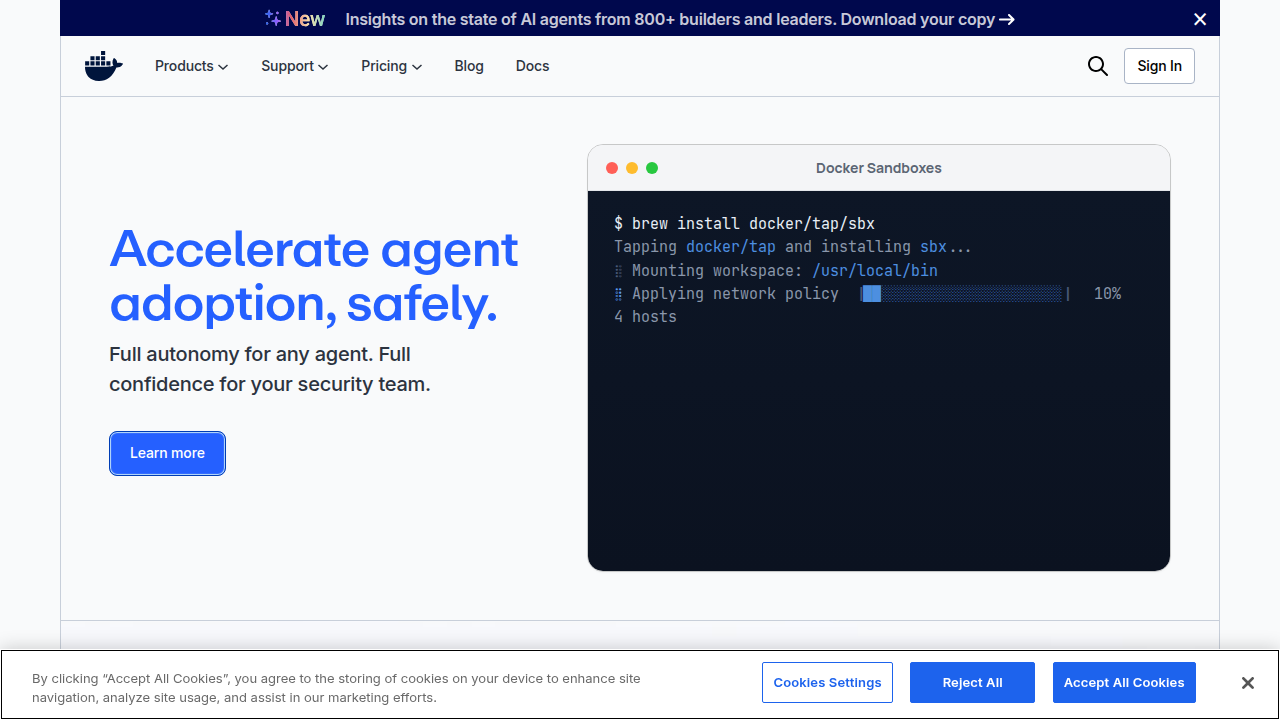
An API lets other programs ask your R model for predictions, like asking a special question and getting an answer back. You can learn more about how to set this up by looking at guides for Deploying a Machine Learning Model Using Plumber and Docker. If you like seeing things done, there’s even a video on How to deploy Model using Docker Container.
- Managed Platforms: Sometimes, you don’t want to worry about managing servers yourself. Big cloud services like Azure Machine Learning offer places where you can deploy your R models.
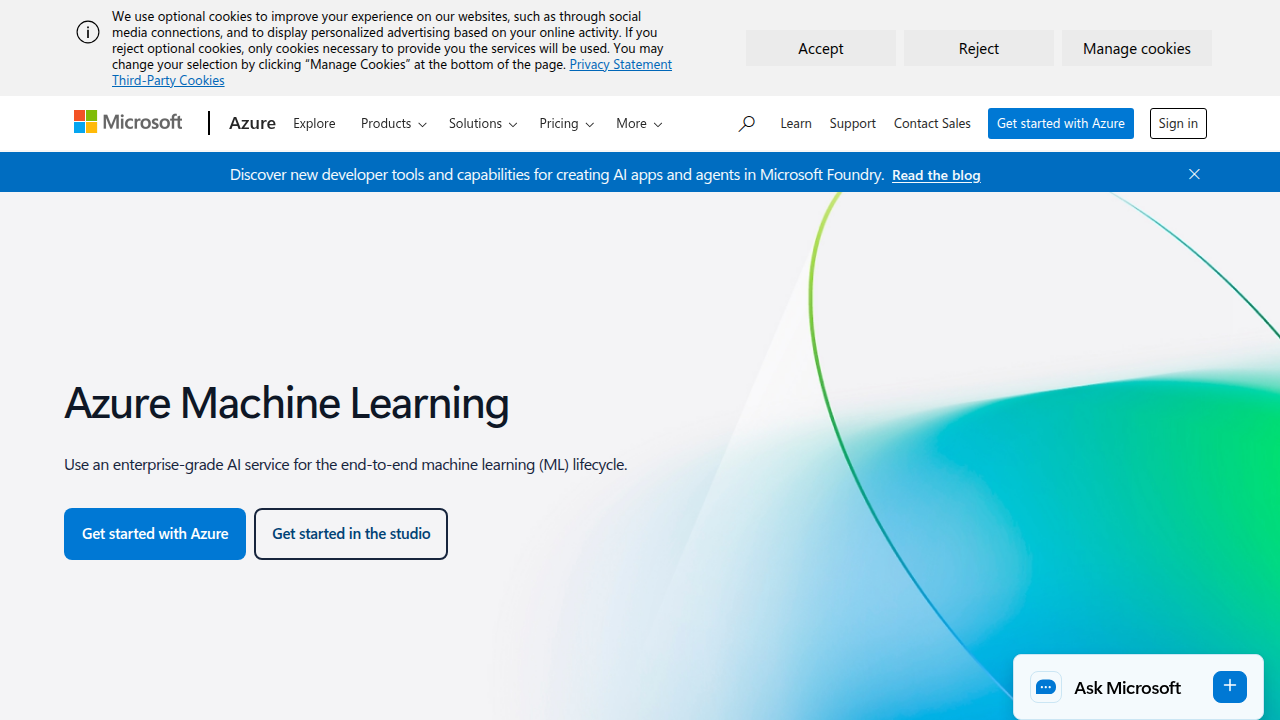
These often use containers and plumber in the background, making it easier for you. For example, you can deploy R models as Azure Machine Learning managed online endpoints – Code Samples. Other ways to deploy R models include using Shiny for interactive web apps, which lets you build easy-to-use tools right from R Options for Deploying R Models in Production – GeeksforGeeks.
When choosing how to deploy, think about what your business needs. How many people will use the model? How fast does it need to respond?
Keeping Your Models Working Well
Once your R models are deployed, the work doesn’t stop. You need to make sure they keep working correctly and efficiently.
- Monitoring: This means watching your models to ensure they are still giving good results. Are they acting strangely? Are they slowing down? Tools exist to keep an eye on your
computer technologysolutions. - Model Governance: For
deep learning artificial intelligencemodels, it is crucial to make sure they are fair and responsible. This is known as model governance. Companies often use special tools likearize aiorlupa aito help with checking models. Good governance ensures your AI models do not make biased decisions and stay compliant with rules. - Integration with Teams: Getting your R models into production often means working closely with other teams. This includes data engineers who handle data pipelines and MLOps (Machine Learning Operations) teams who manage the full life cycle of machine learning models. Using clear Model deployment patterns | Databricks on AWS helps everyone work together.
Choosing the right ways to deploy and manage your r technology models is key to getting real value from your AI investments. To make smart choices about the right tools for your business, it helps to understand what’s available. You can learn more about Enterprise AI Platforms 2026: Top Providers and How to Choose the Right One. This planning ensures your models are not just powerful, but also reliable and fit seamlessly into your company’s operations. Understanding How to Choose AI for Business Tools That Deliver Real Results in 2026 is vital for long-term success.
After putting your r technology models into action, the next big step is making sure your whole team and company can use and benefit from them. This is about creating a good adoption strategy. It means getting people ready, finding the right talent, and checking if your efforts are truly paying off.
Adoption strategy: training, hiring, and evaluating ROI for R initiatives
To truly make r technology models a success in your business, you need more than just good models. You need a clear plan for how everyone will use them. This successful adoption combines smart training, trying out ideas with pilot projects, and knowing what resources you’ll need.
Training Your Team and Building Skills
When bringing new computer technology into play, especially advanced tools like deep learning artificial intelligence models, it’s key to help your existing team learn new skills. This might mean:
- Workshops and Courses: Offering lessons on how to use R for data analysis and building models. Some teams might need basic R skills, while others might focus on more complex tasks like model deployment.
- Pairing and Mentorship: Letting experienced R users work alongside those who are new to it. This helps share knowledge directly.
- Clear Guides: Creating simple how-to documents and examples so people can easily find answers to common questions.
Investing in your team’s learning helps them feel more confident and makes the whole adoption process smoother.
Finding the Right People
Sometimes, your existing team might need extra help, or you might need specialized skills. This means looking to hire new talent. You might need:
- Data Scientists with R Experience: People who already know how to build powerful models using
r technology. - MLOps Engineers: Experts who can help keep
deep learning artificial intelligencemodels running smoothly once they are deployed. - Translators between Business and Tech: People who can explain what the models do in a way that makes sense to everyone, not just tech experts.
Finding the right people is about filling the gaps in your team’s knowledge and ensuring your r technology projects have the support they need to grow.
How to Measure if R Initiatives Are Worth It (ROI)
The most important part of any new business effort is knowing if it brings real value. For r technology initiatives, you need to evaluate the Return on Investment (ROI). This means clearly defining how you will measure success.
- Set Clear Goals: Before you even start, decide what success looks like. Is it saving time on a certain task? Making your models predict things better? Or cutting down on costs?
- Track Measurable Outcomes: Keep an eye on specific numbers. For example, if an R model helps your sales team, track how much faster they can find leads or how much more money they make. If it helps with operations, measure how much time is saved or how many fewer mistakes are made.
- Use Pilot Projects: Start with small projects. This lets you test the waters and see how well
r technologyworks in a controlled setting before rolling it out to bigger parts of the company. These small wins build confidence. - Look for Incremental Milestones: You don’t have to wait for a huge, final result to see progress. Celebrate small achievements along the way. Did a new R script automate a report that used to take hours? That’s a win!
By setting clear goals and watching your progress, you can clearly see the value that r technology brings to your business. This helps justify continued investment and shows how your company adopts AI for growth.

You can explore The Innovation Line 2026: How Businesses Adopt AI for Growth to understand more about these growth strategies.
Staying updated on the fast-changing world of AI and its practical uses for businesses can be tricky.
For those who want to stay ahead of the curve, there’s The AI Newsletter Worth Reading.
Summary
This article explains why R remains a vital technology for AI and data science in 2026, highlighting its strengths in statistical analysis, visualization, and reproducible workflows. It describes R as a full ecosystem—Base R, CRAN, packages, and IDEs like RStudio—and shows how collections such as the tidyverse and tidymodels simplify data wrangling and model building. The piece covers practical package categories (cleaning, visualization, machine learning, reporting), how R ties into deep learning via TensorFlow and torch, and strategies for reproducible research using R Markdown, Quarto, and renv. It also walks through production concerns—containerization with Docker, plumber APIs, managed cloud endpoints—and emphasizes monitoring, governance, and team integration. Finally, the article offers guidance on adoption: training, hiring, pilot projects, and how to measure ROI so businesses get reliable, repeatable value from R-based AI projects.