Introduction — Why SEO marketing matters for modern businesses
Imagine you have a fantastic store or service, but it’s hidden down a quiet street. How will people find you? In today’s digital world, search engines like Google are the main roads people use to find what they need. This is where what is SEO marketing comes in. SEO stands for Search Engine Optimization, and it’s all about making your website easy for search engines to find and show to people who are looking for products or services like yours.
Simply put, SEO marketing helps your business appear higher in search results without paying for ads. This means more people see your website, click on it, and learn about what you offer. For any modern business in 2026, being found online is not just nice to have; it’s a must. It builds trust, brings in new customers, and helps your business grow naturally.

This process involves many moving parts, like making sure your website has the right words and pictures (called on-page SEO), getting other good websites to point to yours (off-page SEO), and making sure your website works well behind the scenes for search engines (technical SEO) [^1].
However, for many business leaders, including a chief marketing officer, figuring out the best way to do SEO can feel like a big challenge. There’s so much information out there, a seemingly endless list of tools to pick from, and making it all work together can be confusing. Many worry about the time and money spent, asking "Is this really going to help my business make more sales?" This can sometimes lead to what’s known as "marketing myopia," where businesses focus too much on quick, short-term gains instead of building a strong, lasting online presence.
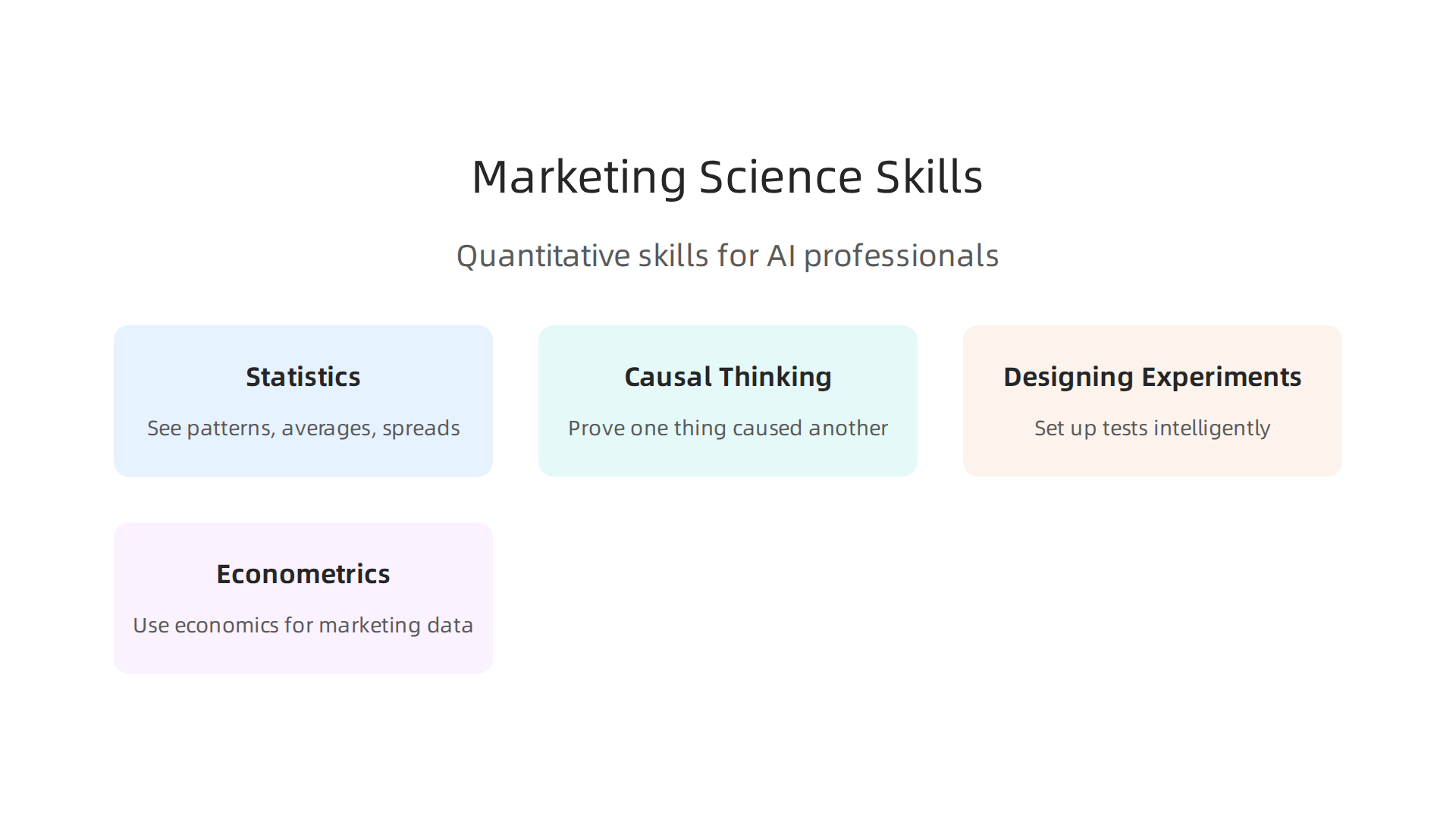
To succeed with SEO, it’s helpful to clearly understand your audience and what they search for. This often ties into good marketing practices, like those found in marketing science for AI professionals, which helps you measure what truly works. By thoughtfully applying principles like STP marketing (segmenting your audience, targeting the right groups, and positioning your brand), businesses can make their SEO efforts much more effective and truly connect with potential customers. Staying up-to-date with the latest trends and tools is crucial to cut through the noise and ensure your marketing efforts lead to real results.
[^1]: Types of SEO: on-page, off-page, and technical SEO
What is SEO marketing? Core concepts and terminology
Now that we know why being found online is super important, let’s really dig into what is SEO marketing. At its heart, SEO marketing is a set of practices used to help your website show up higher in search engine results when people look for things related to your business. It’s about making your site as friendly as possible for search engines like Google, so they understand what your website is about and see it as a good source of information for users.
It’s helpful to know that SEO marketing is different from some other online activities you might hear about.
- SEO vs. SEM: SEO (Search Engine Optimization) focuses on getting free, or "organic," traffic by improving your ranking naturally. SEM (Search Engine Marketing), on the other hand, uses paid advertising to show up at the top of search results. Think of SEO as earning your spot, and SEM as buying a billboard at the top of the search page [^1].
- SEO vs. Content Marketing: Content marketing is about creating useful and interesting information (like blog posts, videos, or guides) to attract and keep customers. SEO helps make sure that good content actually gets seen by optimizing it for search engines. They work best together, like a team.
To truly understand what is SEO marketing, we often talk about its three main parts:
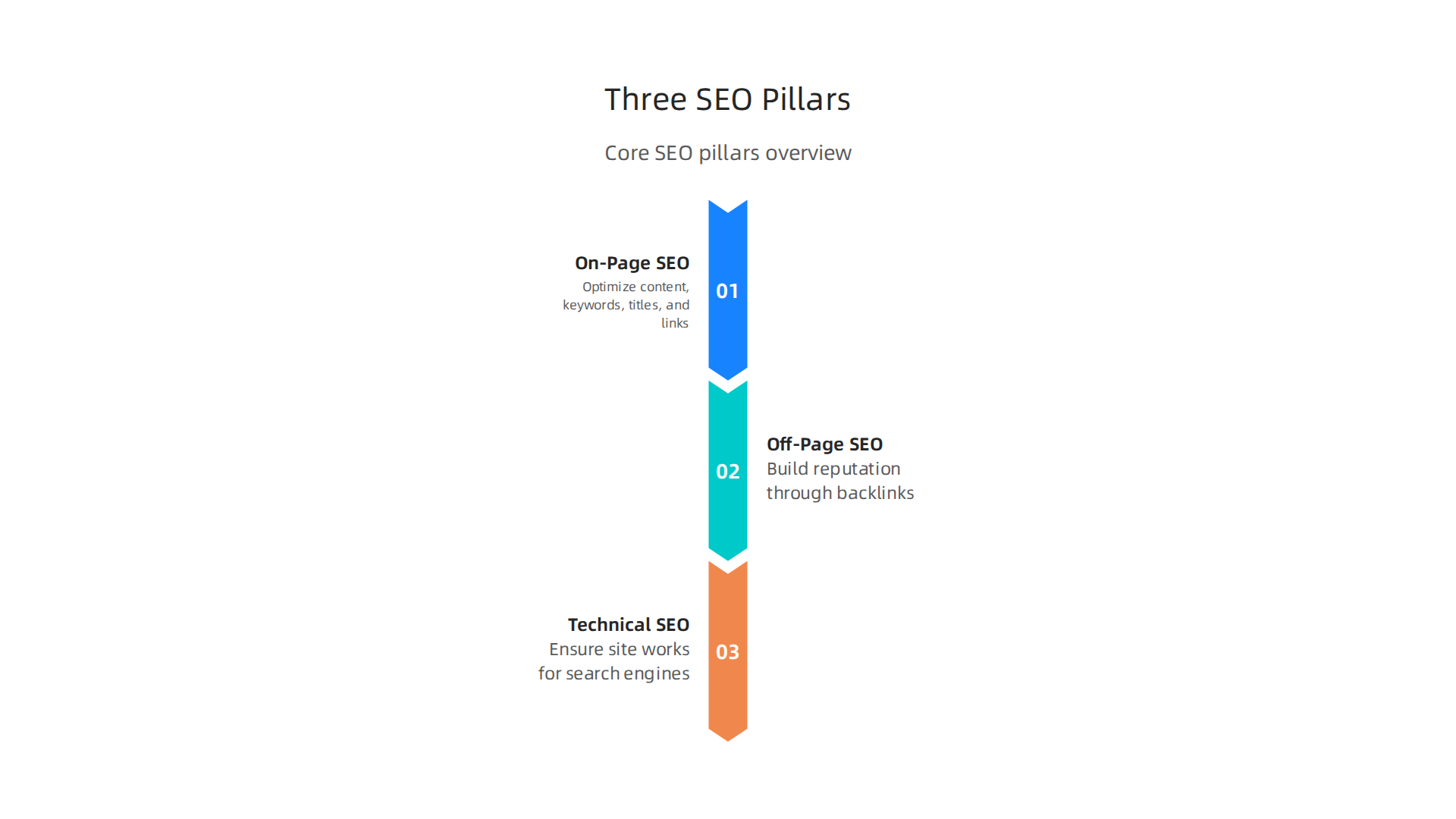
1. On-Page SEO
This refers to all the things you can do directly on your website pages to help them rank better. It’s like decorating your store and making sure your products are clearly labeled. It includes things like:
- Words you use: Picking the right keywords that people search for and using them naturally in your text.
- Titles and Headings: Making sure your page titles and headings clearly tell both readers and search engines what the page is about.
- Pictures and Videos: Making sure your images and videos are named and described in a way that search engines can understand.
- Internal Links: Connecting your different website pages to each other so visitors and search engines can easily find more related content on your site.
These efforts help each page match what people are searching for and clearly show its importance [^2].
2. Off-Page SEO
This part of SEO marketing involves actions taken outside your website to improve its standing. Think of it as building your reputation in the wider community. The most important part of off-page SEO is getting other trusted websites to link to yours. These are called "backlinks." When many good websites link to your site, it tells search engines that your website is important, trustworthy, and has valuable information. This builds your website’s authority and trust.
3. Technical SEO
This is about how well your website works behind the scenes for search engines. It’s like making sure your store’s foundation is strong and the lights always work. Technical SEO makes sure that search engines can easily find, read, and understand all the pages on your website. This includes checking things like:
- Website Speed: How fast your pages load.
- Mobile-Friendliness: If your website looks good and works well on phones and tablets.
- Site Structure: How your website is put together so search engines can crawl it easily.
For any chief marketing officer or business owner in 2026, understanding these pillars is key to building a strong online presence.

It helps avoid "marketing myopia" by focusing on long-term growth instead of just quick wins. Learning how different marketing tools work together can help you decide how to make smart choices for your business. To dive deeper into making informed decisions, consider exploring resources on how marketing specialists choose AI tools for marketing and drive ROI.
Want to stay ahead in the fast-changing world of AI and marketing?
Get clear daily AI updates from The Deep View Newsletter.
[^1]: SEO vs. SEM vs. Content Marketing
[^2]: Technical vs On-Page vs Off-Page SEO: Key Differences
Now that you know the three main parts of what is SEO marketing, let’s look at how search engines actually use them to figure out which websites to show. Imagine a search engine like a very smart librarian who wants to give you the best book for your question. It looks at three main things to pick the right "books" (websites):
- Relevance: How well does your website’s content match what someone is searching for?
- Authority: How much does your website prove it’s a trustworthy and important source of information?
- Accessibility: Can the search engine easily find, read, and understand your website?
Let’s break down how on-page, off-page, and technical SEO help with these three points.
On-Page SEO: Showing Relevance
On-page SEO helps your website be truly relevant to what people are looking up. It’s about making sure the words, pictures, and overall message on your pages are clear and helpful for both people and search engines.
- Content and Keywords: When you use the right words and phrases (keywords) that your customers type into search engines, it tells the "librarian" exactly what your page is about. But it’s not just about using keywords. It’s about writing truly good, useful content that answers questions and solves problems.
- HTML Elements: This sounds fancy, but it just means things like your page titles, headings, and descriptions. These elements act like clear labels for your content. They help search engines quickly understand the main topic of your page and how it relates to search queries.
By getting your on-page SEO right, you make it much easier for search engines to see that your content is a perfect match for certain searches.
Off-Page SEO: Building Authority
Off-page SEO is how your website earns trust and importance from other websites. Think of it as getting good reviews and recommendations from reliable friends.
- Backlinks: The biggest part of off-page SEO is getting other good, trusted websites to link to your site. Each link is like a vote of confidence. When many important websites link to yours, search engines see your site as more trustworthy and authoritative. This makes your site more likely to show up high in search results. It shows that your website is a valuable place for information, not just a random site.
Technical SEO: Ensuring Accessibility
Technical SEO makes sure your website’s hidden parts work well so search engines can easily visit and understand it. It’s like making sure the doors to your library are open, the lights are on, and all the books are neatly organized.
- Crawlability and Indexing: Search engines use little programs called "crawlers" to visit and read your website’s pages. If your site has technical problems, these crawlers might miss important pages or struggle to understand what they find. This means your valuable content might not even show up in search results. Common issues in 2026 can include important pages being accidentally blocked or problems with how pages are connected Technical SEO Checklist for 2026.
- Site Performance: How fast your pages load is super important. Nobody likes a slow website, not people, and not search engines. Google measures things like "Core Web Vitals" which check how quickly a page loads and becomes usable. Websites that load slowly often rank lower. For example, a good Largest Contentful Paint (LCP) should be under 2.5 seconds in 2026 Technical SEO in 2026.
- Mobile-Friendliness: Most people use their phones to browse the internet in 2026. Your website needs to look good and work perfectly on all screen sizes, from big computers to small smartphones.
- Site Structure: This is about how your website’s pages are organized. A clear structure helps search engines understand what’s most important and how different parts of your site relate to each other. Keeping your site’s technical setup healthy is a continuous job. It involves checking for things like broken links or duplicate content that can confuse search engines Free Technical SEO Guide 2026.
Understanding these three areas is key to mastering what is SEO marketing. They all work together to help search engines find your site, trust your content, and show it to the right people. For business leaders looking to stay on top of all the behind-the-scenes magic, it’s wise to keep an eye on how these elements contribute to your overall online presence and digital strategy. It’s a part of what makes a futuristic website 2026 stand out.
The previous section explained what is SEO marketing and its different parts. Now, let’s look at how SEO fits into the bigger world of online marketing. Often, people talk about SEO, SEM, and content marketing as if they are the same, but they are different tools. Knowing when to use each one helps a chief marketing officer or any business leader make smart choices about where to put their marketing money.

It helps avoid something called marketing myopia, where you only see a small part of the marketing world.
SEO vs. SEM vs. content marketing: where to invest
When you want to bring people to your website, you have a few main ways to do it. SEO, SEM, and content marketing all aim to get more eyes on your business online, but they work in different ways and give results at different speeds.
1. Search Engine Optimization (SEO)
As we’ve seen, SEO is about making your website naturally show up higher in search results without paying for clicks. It’s like building a strong, well-known store in a good location that people find on their own. SEO takes time to build up, often many months, but the results can last a long time. It gives you "organic" traffic, which means people find you because your content is truly helpful and relevant to their search [SEO vs. SEM vs. Content Marketing]. This is a great choice for long-term growth and building trust with your audience.
2. Search Engine Marketing (SEM)
SEM is often called paid search. This is when you pay search engines like Google to show your ads at the very top of search results. Think of it like buying a billboard right on the busiest highway. You pay each time someone clicks on your ad (this is called Pay-Per-Click, or PPC). SEM can give you fast results. You can set up an ad campaign and start seeing visitors within hours or days. It’s great for quickly getting traffic for specific keywords or promoting new products. For business leaders wondering how to choose AI for business tools that deliver real results, understanding the quick-turnaround of SEM can be key. However, when you stop paying, the traffic stops too.
3. Content Marketing
Content marketing is about creating helpful and valuable stuff for your audience, like blog posts, videos, guides, or infographics. The goal isn’t always to sell something right away. Instead, it’s about giving people useful information that builds trust and shows you are an expert. This helps your brand become known and liked. Good content can also help your SEO by giving search engines more relevant pages to show. Content marketing is a longer game, but it creates a lasting connection with customers. For example, a good chief marketing officer knows that understanding your customer’s journey is crucial, which ties into effective STP marketing (segmentation, targeting, and positioning).
When to Invest in Each
Choosing where to put your money depends on what you want to achieve:
- If you need quick results or want to test a new product right away: SEM is your best friend. It offers fast traffic and quick feedback.
- If you want to build long-term trust, steady traffic, and a strong brand: SEO and content marketing are key. They take time, but the payoff can be huge and last for years.
- For a new business or product launch: A smart plan often involves using SEM for an immediate boost while slowly building up your SEO and content marketing efforts. This gives you both quick wins and long-term stability.
All these strategies can work together to create a powerful online presence. It’s not about choosing just one, but finding the right mix for your business goals and budget. Staying updated on these marketing shifts is vital for any business.
Get clear daily AI updates from The AI Newsletter Worth Reading.
To truly make SEO work for you, it’s not enough to know what it is; you also need a smart plan. Think of it like building a house. You wouldn’t just start nailing boards together. You’d have a blueprint. The same goes for SEO. A smart business leader, like a chief marketing officer, needs a clear plan to make sure SEO helps reach overall business goals. This way, you avoid "marketing myopia" and see the bigger picture.
Strategic SEO planning: aligning SEO with business goals
A good SEO plan connects what your business wants to achieve with what your SEO efforts will do.
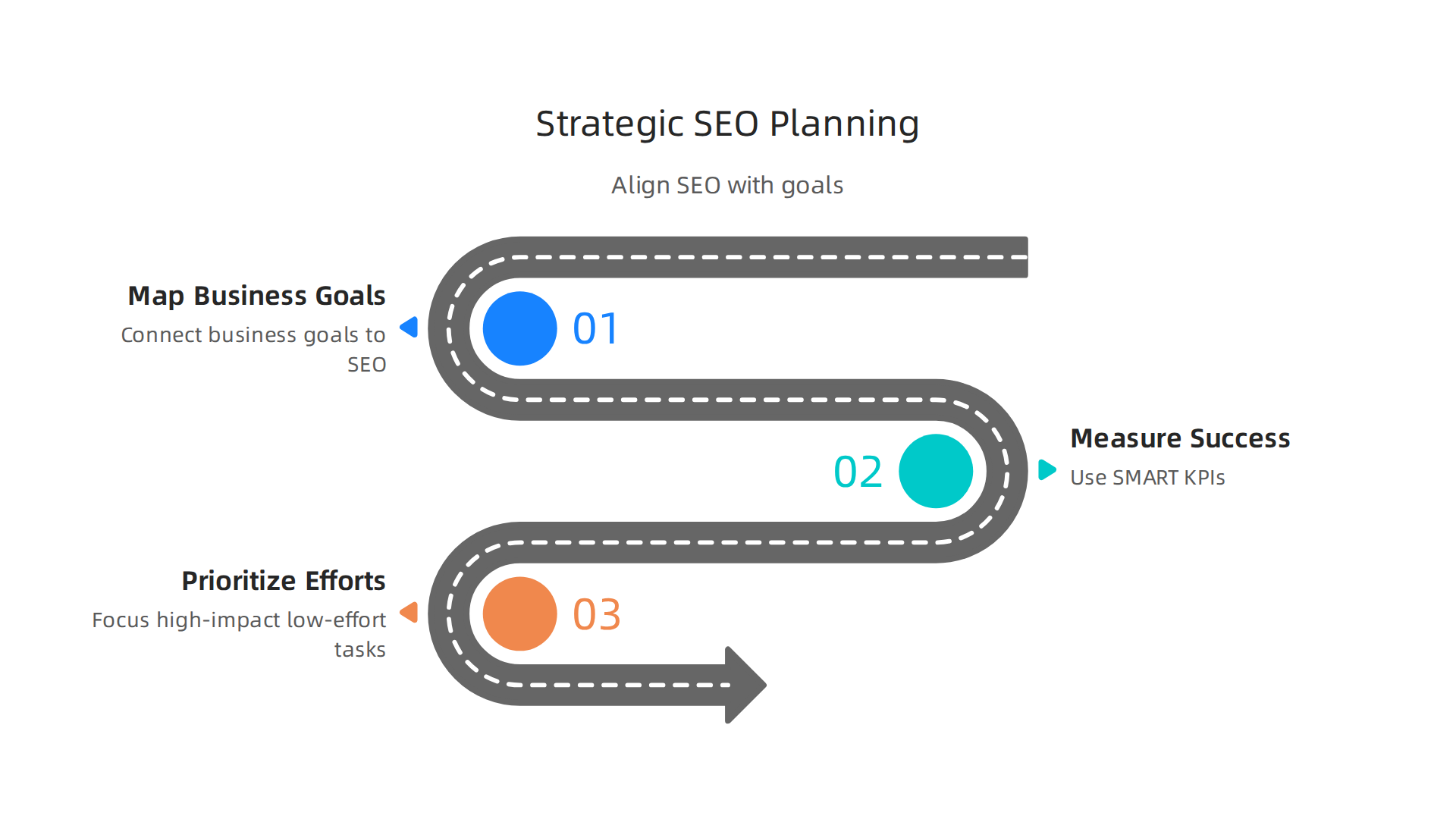
It’s like drawing a straight line from your big business dreams to the small steps you take each day on your website.
1. Map Your Business Goals to SEO Goals
First, think about your main business goals. Do you want to:
- Sell more products online?
- Get more people to sign up for your service?
- Make your brand more famous?
Once you know your business goal, you can set a clear SEO goal. For example:
- Business Goal: "Increase online sales by 15% this year."
- SEO Goal: "Rank higher for keywords related to our products to get more organic traffic to product pages."
Many companies use templates to map out these goals and track them, helping them see clearly what they need to do SEO Roadmap Template.
2. Measure Your Success with KPIs
After setting goals, you need to know if you’re actually reaching them. This is where Key Performance Indicators (KPIs) come in. KPIs are like scorecards for your SEO efforts.
- If your SEO goal is to get more organic traffic, a KPI might be "Number of visitors from Google search."
- If your goal is more sales, a KPI could be "Revenue from organic search."
Make sure your KPIs are SMART: Specific, Measurable, Achievable, Relevant, and Time-bound. This helps you track what is SEO marketing really doing for your bottom line. Learning about Marketing Science for AI Professionals can help you set these up.
3. Prioritize Your Efforts
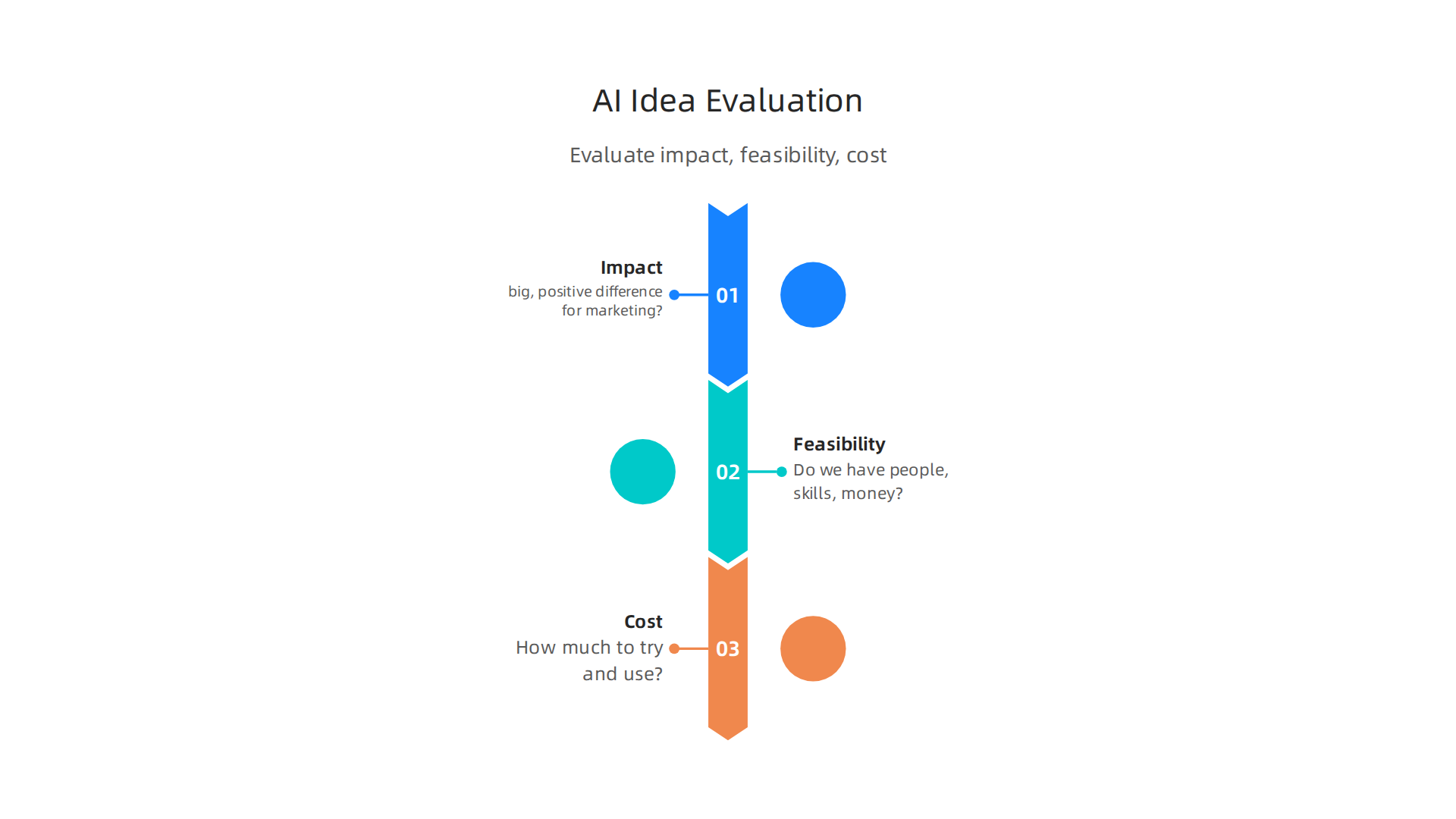
Most businesses don’t have endless money, time, or people. This means you have to choose which SEO tasks to do first. To do this, you can look at two things:
- Impact: How much will this task help your business goals?
- Effort: How hard or long will this task take?
Leaders often score each task to see which ones offer the biggest win for the least amount of work. This helps them decide what to tackle first, especially when resources are limited How do leaders prioritize SEO efforts in limited-resource. By carefully planning and prioritizing, you ensure that every SEO step you take brings you closer to your business’s overall success.
Keyword Research, Content Strategy, and User Intent
Once you know your SEO goals and what success looks like, the next step is to figure out exactly what people are searching for. This is where keyword research comes in. It’s like listening to your customers and finding out what questions they are asking, or what problems they need help with. This helps you understand "what is SEO marketing" really about from a user’s viewpoint.
Finding High-Value Topics with User Intent
Good keyword research isn’t just about finding popular words. It’s about understanding "user intent." This means figuring out why someone is typing a certain phrase into a search engine. Do they want to buy something? Learn something? Or find a specific website? For example, if someone searches "best running shoes," their intent is likely to buy. If they search "how to tie running shoes," their intent is to learn.
By finding keywords that match what your ideal customers want, you can create content that truly helps them. Many businesses in 2026 use special AI tools to do this. These tools can help you find keywords, group them by what people mean when they search, and even compare them to what your competitors are doing. This is called AI-Powered Keyword Research and it makes finding valuable topics much easier. Choosing the right AI for business tools is key to making this process smooth.
Building Your Content Strategy
After you know what topics and keywords your audience cares about, you can build your content strategy. This means deciding what kinds of content you’ll make and how it fits into your overall marketing plan.
- Awareness: For people just learning about a topic, you might create blog posts or guides.
- Consideration: For those weighing their options, you could offer comparison articles or detailed product reviews.
- Decision: For customers ready to buy, you’d have product pages, pricing info, or case studies.
Your content should be useful and guide people through their journey, no matter where they are in their search.
A Simple Content Workflow
To keep your content creation running smoothly, follow a clear workflow.
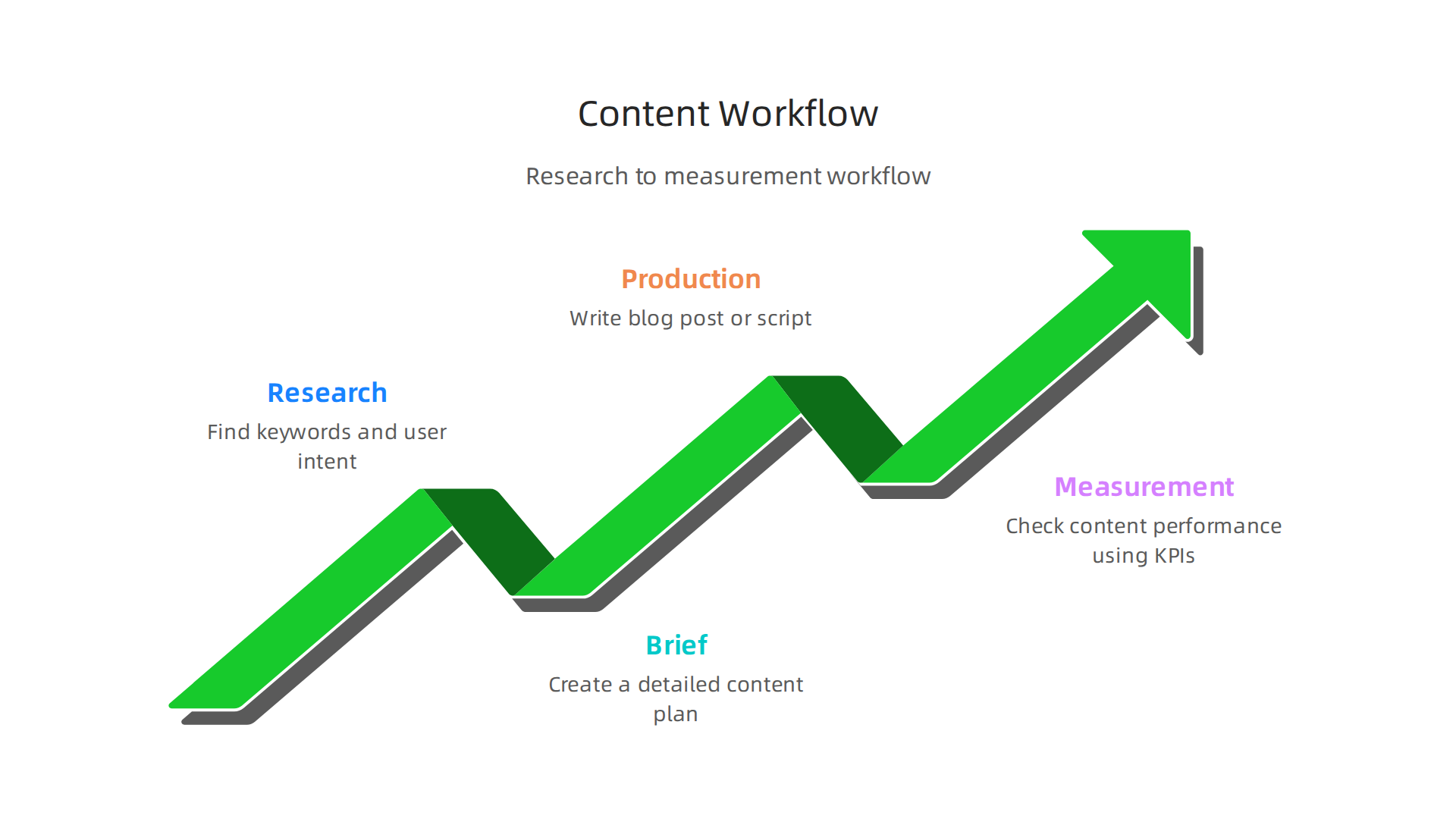
Many companies use a step-by-step process, often with the help of AI tools, to make sure nothing is missed.
- Research: Find keywords and understand user intent, like we talked about above.
- Brief: Create a detailed plan for each piece of content. This includes the main topic, keywords to use, and what points to cover.
- Production: Write the content. This could be a blog post, a video script, or a product description. Some modern tools can help automate content workflows from start to finish.
- Measurement: Check how well your content is doing using your KPIs. Are people reading it? Is it bringing in new customers? This helps you learn and make your next pieces even better.
By putting these steps into action, you’ll have a strong content plan that truly supports what your business wants to achieve with SEO.
Staying on top of the latest AI tools that power these workflows is a must for any business leader. Get clear daily AI updates from The AI Newsletter Worth Reading.
After you have a great content plan, it’s time to make sure your website is built in a way that search engines can easily understand. This part of "what is SEO marketing" is called technical SEO. It’s like making sure the foundation and roads of your house are strong and clear so visitors can find their way without trouble.
Technical SEO deals with how search engines like Google look at, understand, and show your website pages. If there are problems here, even the best content might not get seen. In 2026, keeping your site technically sound is more important than ever.
Important Technical Checks for Your Website
Many common issues can stop your website from doing well in search results. Here are some key areas to watch out for:
-
Can Search Engines Find Your Pages?
Search engines use special bots, like tiny explorers, to visit your website and find new pages. This is called "crawling." Then, they "index" these pages, which means they add them to their big library of websites. Sometimes, a website might accidentally block these bots or tell them not to index important pages. This can happen with wrong settings in files likerobots.txtor through special "noindex" tags on pages that should be seen Technical SEO Guide 2026: Crawl & Indexing. It’s also important to have a clean sitemap that helps bots find all your good pages Technical SEO Checklist for 2026: What Actually Matters. -
How Fast and Easy Is Your Website to Use?
People like fast websites. Search engines also like them. Google uses something called Core Web Vitals to measure how quickly your page loads and how smooth it feels to use. These include things like Largest Contentful Paint (LCP), which is how fast the main content shows up, and Interaction to Next Paint (INP), which is how quickly your page reacts when someone clicks or taps something. If these are slow, it can hurt your ranking Technical SEO Checklist for 2026: Improve Core Web Vitals …. Making sure your images are small and your website code is neat helps a lot with this. You can also work on your overall website architecture, speed & crawlability to boost performance. -
Is Your Site Organized Well?
Think of your website like a book. Internal links are like the table of contents and page numbers that help readers move from one chapter to another. If pages are "orphan pages" with no links pointing to them, search engines might not find them easily Technical SEO Checklist for 2026: 34 Critical Fixes for Crawlability …. Also, having many pages with the exact same content, called "duplicate content," can confuse search engines about which page to show. -
Is Your Website Safe?
Having a secure website (using HTTPS) is a must in 2026. This means your website has an SSL certificate, which protects information shared between your site and its visitors. Google sees this as a sign of trust and safety Technical SEO: Get Your Site Crawled, Indexed, and Ranked.
Working Together for Technical SEO Success
Making these technical fixes happen is often a team effort.
- SEO specialists are like the architects. They identify problems and figure out the best ways to fix them to help with search rankings. They provide detailed lists of what needs to change.
- Engineers are the builders. They take the plans from the SEO specialists and put them into action, fixing code, speeding up the site, or changing how pages are linked. A good chief marketing officer will make sure these teams work together well.
- Product owners or business leaders help decide which technical fixes are most important for the business and make sure these changes fit into the overall product roadmap. They ensure that technical improvements align with user experience and business goals.
By making sure everyone works together, businesses can create a strong technical foundation that helps their content shine and improves their standing in search results. Investing in this area is a smart move for any business looking to grow online.
After making sure your website is technically sound, the next big step in understanding what is SEO marketing is to show how all that hard work actually helps the business grow. This means looking at the numbers and connecting your SEO efforts to real money or new customers.

It’s not enough to just rank higher; you need to know what those rankings do for the company.
Measuring SEO ROI: KPIs, Attribution, and Connecting to Business Outcomes
To truly show the value of SEO, you need to measure it. This involves using Key Performance Indicators (KPIs) to track success and carefully figuring out which sales or leads came from SEO.
Key Metrics for SEO Performance
When we talk about SEO performance, we often start with traffic, but in 2026, the focus is much more on how that traffic turns into business success. Here are some important things to track:
- Organic Revenue and Conversion Value: These are the most direct ways to show how much money SEO is bringing in. It’s about seeing how many sales or valuable actions (like signing up for a service) happen because someone found you through search engines. You also track the actual dollar amount of those sales or actions How to Measure SEO ROI: Complete UAE Guide (2026).
- Newer KPIs for AI Search: In today’s world, it’s also important to look at things like "citation frequency" and "generative share of voice." This means how often AI answers (like those from ChatGPT or Google’s AI Overviews) mention your brand or content. Also, "branded search volume" can tell you how many people search directly for your company after learning about you through other searches Measuring SEO: KPIs, Attribution & Reporting (2026).
Figuring Out Where Credit Is Due: Attribution Challenges
One of the trickiest parts of showing SEO’s value is something called "attribution." This is about giving the right credit to the right marketing efforts. Often, people only look at the "last click," meaning they give all the credit to the very last thing someone clicked before buying. But SEO rarely works that way.
Imagine someone searches for a product, finds your blog post (SEO), reads it, then a week later gets an email about that product, clicks the email, and buys. If you only look at the last click, the email gets all the credit. This is why SEO often looks like it’s not doing much if you only use a "last-click" view.
To get a better picture, we use:
- Assisted Conversions: This shows when SEO helped someone along their journey, even if it wasn’t the very last step. For example, if your blog post was the first thing they saw, it "assisted" the sale SEO Analytics Guide (2026): 15 Diagnostic Scenarios.
- Multi-Touch Attribution Models: These are smarter ways to give credit to all the different steps a customer takes before buying. Instead of just the last click, models like "data-driven" (often used in Google Analytics 4) spread the credit across many touchpoints. There are also models like "time decay" (more credit to steps closer to buying) or "position-based" (credit to both the first and last steps) Marketing Attribution for SEO | Models, Tracking, Reporting. Using a few different models can give you a clearer view of SEO’s true impact.
Connecting this data to your business’s sales records (often called a CRM) is key to truly understanding the full picture of how organic search influences your company’s success. For more on how to precisely measure these impacts, consider exploring marketing science for AI professionals measure real impact and ROI.
Demonstrating SEO-Driven Value to Leaders
The ultimate goal is to show the "Return on Investment" (ROI) for SEO. This means comparing the money you make from SEO to the money you spent on it (tools, content, people). A good chief marketing officer needs to see how SEO fits into the bigger picture and helps meet business goals. By looking at actual revenue, leads, and conversion values, and using smarter attribution models, you can clearly show that SEO is a powerful driver of growth. To stay on top of daily AI and technology insights that can help sharpen your marketing strategies, you might enjoy The AI Newsletter Worth Reading.
Summary
This article explains what SEO marketing is and why it matters for modern businesses, showing how on-page, off-page, and technical SEO work together to make your site discoverable, trusted, and accessible. It walks through the core concepts—relevance, authority, accessibility—then details practical steps like keyword research, content workflows, and strategic planning that align SEO with business goals. The guide also compares SEO to SEM and content marketing so you can choose the right mix for short- and long-term growth, and it highlights important technical checks (speed, mobile, crawlability) to avoid losing visibility. Finally, it covers measurement: which KPIs to track, how to handle attribution, and how to prove SEO ROI to leaders, so you can prioritize repairs and investments with confidence.