
Why a focused deep dive on Rad AI matters for business users in 2026
The world of Artificial Intelligence (AI) is growing super fast in 2026. Every day, new AI tech tools pop up, promising to make our work easier and smarter. For marketers, founders, and people who run businesses, it can be tough to know which tools are truly helpful. We hear about big names like deepsearch ai, hebbia ai, and manas ai, but what about more specialized AI? This is where rad ai comes in.
You might think rad ai is just for doctors or hospitals. Actually, it started there, helping radiologists with their work.
For example, some hospitals have used Rad AI Impressions to make radiologists more productive and get reports done faster Case Studies. Also, it has recently partnered with big systems like Yale New Haven Health System to improve reporting Rad AI, Yale Reporting System.
But here’s the thing: understanding how specialized AI like rad ai works and brings real value can teach us a lot. It shows us how AI can be very specific and still make a big difference. This article will help you see past the buzzwords. We will look closely at rad ai to understand how specific AI tech tools can solve real-world business problems.
Our goal is to help you decide if a focused, specialized AI approach, much like what rad ai offers in its field, could be right for your business too.

You will learn how to pick the right AI tools that actually work for you in 2026. This means choosing solutions that deliver real results, not just fancy promises. To learn more about selecting the best AI tools, check out our guide on how to choose AI for business tools that deliver real results in 2026.
Staying updated on all the new AI tools and trends is a big job. If you want clear, daily updates about AI and technology, there’s a newsletter designed to help business users like you.
The AI Newsletter Worth Reading
Now that we understand why specialized AI matters, let’s look closer at rad ai itself. This company makes special AI tech tools mainly for the medical field, especially for doctors who read X-rays and other medical images. Think of rad ai as a smart helper that makes their work faster and more accurate.
Core Capabilities and Product Modules
Rad AI has a few main parts that work together to help medical staff. Its main goal is to make reports easier and quicker to write for radiologists. They do this through smart reporting tools and a special speech recognition system.
One key tool is called Rad AI Reporting. This uses advanced AI, like generative AI, to help draft reports. It helps doctors write their findings much faster. The system can reduce the time doctors spend talking into their microphones by up to 90%. It also helps create clear, structured reports Report: Rad AI Business Breakdown & Founding Story.
Another important part of rad ai is its next-generation speech recognition technology. This helps doctors speak naturally, and the AI understands what they are saying very well. This makes diagnostic reporting much quicker and more exact Rad AI Launches Next-Generation Speech Recognition …. For example, doctors can just talk freely, and the AI will put their words into the right parts of the report template, so they don’t have to click around manually From the Inside: FAQ with Engineering. This is a big help because it means less typing and more focus on patients.
Primary Target Users and Typical Buyer Personas
So, who are these rad ai tech tools for?
The main users of rad ai are:
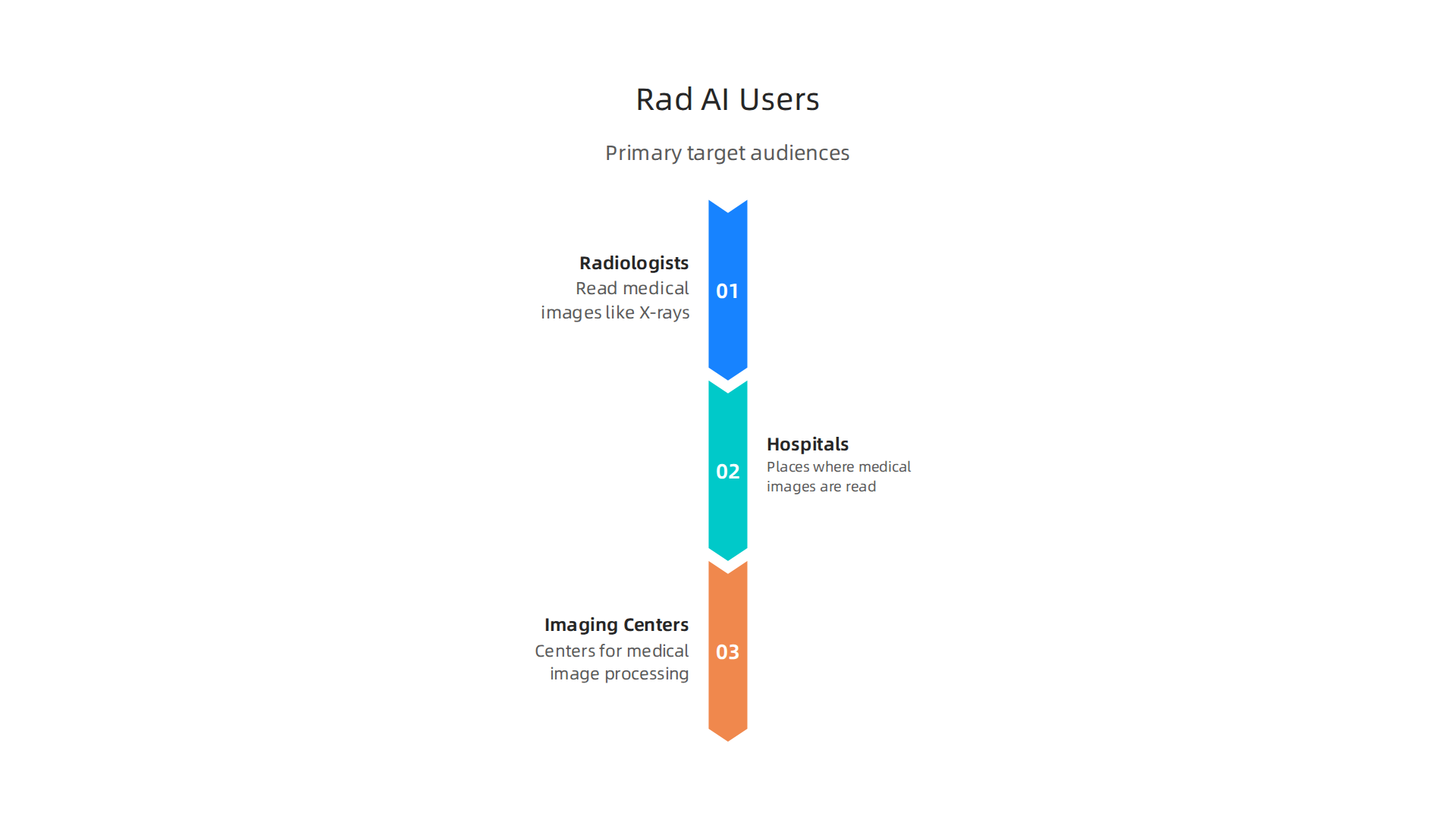
- Radiologists: These are the doctors who look at medical images like X-rays, CT scans, and MRIs.
Rad AIhelps them write their reports quickly and correctly. - Hospitals and Imaging Centers: These are the places where medical images are taken and read.
Rad AIhelps these places run more smoothly by making their reporting process very efficient.
Basically, rad ai is best for large hospitals and imaging centers that need to be very efficient Top 10 AI Radiology Analysis Tools in 2026.
It’s built for healthcare professionals who deal with many images every day and need to turn around reports quickly without losing accuracy.
While other AI tools like deepsearch ai, hebbia ai, or manas ai might help in different business areas, rad ai stands out because it focuses deeply on one specific area: making radiology reporting better. This shows how specialized AI can solve real problems for certain groups of users. For businesses looking to find and use the best new AI solutions, understanding how rad ai serves its niche can be a great lesson in smart ai tool discovery AI Tool Discovery 2026 How to Find Trusted Tech Sources That Deliver Real Business Results.
Now, let’s look closer at the clever parts inside rad ai and what makes its tech tools special. Knowing these details helps you see how it can really change how doctors work.
Key Features and Technical Strengths to Evaluate
At its heart, rad ai uses smart computer brains, known as AI models, to do its job. It combines different kinds of AI to help radiologists. The main idea is to automate many steps in writing reports. This means doctors spend less time on paperwork and more time helping patients.
One big strength is how rad ai uses advanced AI to learn from many, many medical reports. This helps it understand what doctors usually say and how reports are put together. When a radiologist speaks, the system instantly turns their words into a clear report. It even places the right words into the right parts of the report, so doctors don’t need to click around a lot. This kind of hands-free working makes the daily tasks much smoother and quicker, boosting how much work can be done. It truly improves the accuracy and speed of diagnostic reporting Rad AI’s New Tool Aims to Improve Accuracy, Quality of Diagnostic Reporting.
The way rad ai works is all about making things easy for the user. It has a friendly way of working (this is sometimes called good UI/UX) so doctors can use it without much fuss. They can simply talk, and the AI does the heavy lifting of writing the report. This smart automation is a big help for busy hospitals and imaging centers.
When thinking about rad ai compared to other tech tools like deepsearch ai, hebbia ai, or manas ai, its main difference is its very specific focus. While those other tools might help with different business problems, rad ai is made just for radiology. This deep focus means it can solve problems in this one area very well. This makes it a strong choice for hospitals looking for specialized AI help. For those evaluating different smart solutions for their business, it’s helpful to learn how to pick the right ones that really deliver good results.
When you’re looking at rad ai or any new AI tool, it’s also smart to think about a few things:
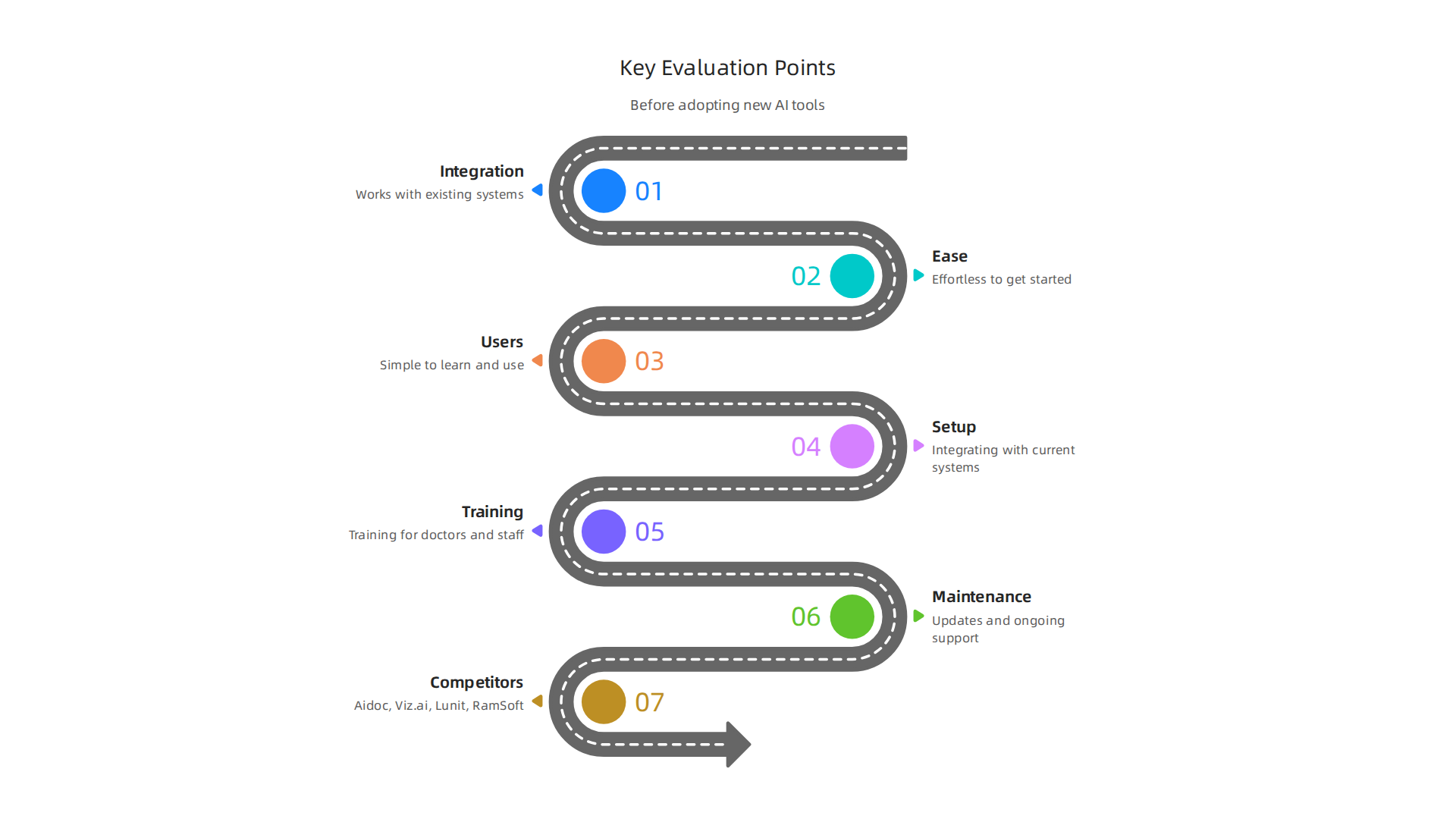
- How it fits in: Will it work well with the computer systems you already have?
- How easy it is to set up: Will it take a lot of effort to get started?
- The people using it: Will doctors and staff find it simple to learn and use every day?
These questions are important for any new technology. Choosing the right AI solutions for your business means looking at both its great features and how it will work in your real-world setting.

You can learn more about how to choose the right AI tools for your business in 2026.
If you want to stay up to date on all the latest developments in AI and technology, consider subscribing to a reliable source. Get clear daily AI updates from The AI Newsletter Worth Reading.
When picking the right AI tech tools for your business, knowing how much they cost is very important. It’s not just the first price tag you see. For rad ai, like many advanced AI solutions, you won’t find a simple price list online.
Common Pricing Tiers
Rad ai often uses what’s called "enterprise pricing" Rad AI Review 2026 — Pricing, Features & Alternatives. This means the price is made just for your hospital or clinic. You need to talk to their sales team to get a custom quote Rad AI review (2026): pricing, features, alternatives. This way of pricing is common because every hospital has different needs and sizes, so the cost can change based on how much you use it and how many people will be using it. Sometimes, tools might even offer a free trial to let you try it out first RAD AI.

These custom plans can be set up in different ways:
- Per-seat pricing: This means you pay for each doctor or staff member who gets to use the
rad aisystem. If you have 10 doctors, you pay for 10 "seats." This helps keep costs clear for a known number of users. - Usage-based pricing: With this model, you pay for how much you actually use the tool. For example, you might pay per medical report that
rad aihelps create. This can be helpful if your clinic’s workload changes a lot, so you only pay for what you need.
Hidden Costs and Total Cost of Ownership (TCO)
When looking at rad ai or any new tech tools, it’s smart to think about the "total cost of ownership," or TCO.
This means all the money you spend on the tool over time, not just the first price.
Here are some other costs to consider:
- Setting it up: Getting
rad aito work smoothly with your hospital’s current computer systems can take time and money. This process is called "integration," and it makes sure all your different programs can talk to each other. - Learning how to use it: Your doctors and staff will need training to learn how to use the new
rad aisystem well. This training might cost money or take time away from other tasks. - Keeping it running: Like any computer program,
rad aimight need updates or support from time to time. These are ongoing costs that keep the system working its best.
Thinking about all these parts helps you truly understand how much rad ai will cost your business in the long run. It’s about finding tech tools that not only work great but also fit your budget over time. You can learn more about how to choose AI for business tools that deliver real results in 2026.
When you think about bringing new tech tools like rad ai into your clinic, simply knowing the price isn’t enough. You also need to think about how these tools will connect with what you already have. This process is called integration, and it’s a big part of the "setting it up" cost we talked about earlier.
How Rad AI Fits into Your Existing Systems
For rad ai to work its magic, it needs to talk to your hospital’s other computer programs. This is like teaching different languages to computers so they can share information. There are a few common ways this happens:
- APIs (Application Programming Interfaces): Think of an API as a special messenger that allows different computer programs to send requests and get information from each other. For example,
rad aimight use an API to pull patient records from your electronic health system or send its findings back into your reporting system Integrating AI APIs in 2026. Many AI tools, not justrad ai, use APIs to connect and work together smoothly in 2026. - SDKs (Software Development Kits): An SDK is like a toolbox that developers use to build features or connect software.
Rad aimight offer an SDK that helps your IT team quickly addrad ai‘s functions into your existing applications. This makes it easier for your systems to "understand" and userad ai‘s capabilities What Is AI API Integration? A 2026 Enterprise Guide. - Platform Connectors: Sometimes,
rad aimay have ready-made "connectors" for popular healthcare platforms. These are like pre-built bridges that make it simple to linkrad aiwith your specific medical software, cutting down on custom work.
The goal is to make sure rad ai works hand-in-hand with your other tech tools without causing problems. This includes everything from simple scheduling software to more complex AI tools like deepsearch ai or hebbia ai.
What to Expect During Implementation
Bringing a new system like rad ai online usually follows a few steps:
- Planning and Setup: First, you’ll work with the
rad aiteam to plan how it will fit into your hospital. This involves looking at your current systems and deciding the best way to connect them. Setting up the necessary computer hardware and software can take time. An AI radiology diagnostic platform, for instance, needs strong GPU infrastructure and fast data storage How to Build an AI Radiology Diagnostic Platform in 2026. - Testing: Once connected, your team will test
rad aito make sure it’s working correctly and safely. This is a very important step to catch any issues early. - Training: Your doctors and staff will need training to learn how to use
rad aieffectively. This helps everyone feel comfortable and confident with the new tool. Engaging healthcare professionals from the start is key to successful implementation AI in Healthcare: Bridging Ideas to Implementation.
The total time for implementation can change a lot. It depends on how big your clinic is, how many systems need to be connected, and how complex those connections are. You’ll need your IT team to work closely with the rad ai experts.

Common Roadblocks
Even with good planning, you might run into some bumps in the road:
- Data Security: Keeping patient information safe is super important. Ensuring
rad aimeets all privacy rules can sometimes be tricky. - Compatibility Issues: Older computer systems might not easily "talk" to new
rad aisoftware. Sometimes, updates to your existingtech toolsare needed. - Getting Staff On Board: People are naturally used to how they do things now. Getting everyone to happily use a new system like
rad aitakes good training and support.
Thinking about these things beforehand helps you prepare and makes the process much smoother. Choosing the right enterprise AI platforms can also simplify this process significantly. You can learn more about how to do that by exploring Enterprise AI Platforms 2026: Top Providers and How to Choose the Right One.
Staying updated on the latest AI advancements, including integration best practices, is crucial for any business using tech tools.
Get clear daily AI updates from The AI Newsletter Worth Reading.
Choosing the right tech tools for your clinic means also looking at what else is out there. Rad AI is a very good tool, but it’s important to know how it stands against other helpful AI systems. This helps you pick the best fit for what your hospital needs.
Where Rad AI Stands Out
Rad AI is special because it uses smart AI to help write radiology reports quickly. It focuses on making draft reports, adding notes, and setting up patient follow-ups. This helps doctors spend less time typing and more time with patients. It’s one of the first tools to use this type of generative AI for radiology reporting Report: Rad AI Business Breakdown & Founding Story.
Other AI tools in radiology often focus on different things. Many are great at looking at medical images to find problems like diseases. For example, some might be really good at detecting specific issues in X-rays or CT scans.
Closest Alternatives and How They Differ
When you look at other tech tools in the radiology space, you’ll find a variety. Each one has its own strengths:
- Aidoc is known for finding many different problems in emergency CT scans. It’s great for busy places where speed matters Best AI Radiology Companies in 2026.
- Viz.ai helps with stroke care by quickly finding issues and getting doctors to work together in real-time.
- Lunit focuses on helping with cancer screening and looking at images for cancer.
- Annalise.ai uses AI to help read chest images.
- Gleamer is good for X-rays.
Other options like CrelioHealth LIMS, ARIA Oncology Information System, Studycast, MOSAIQ Radiation Oncology, and CARESTREAM Vue RIS are often seen as alternatives, especially when looking at radiology information systems more broadly Top 10 RAD AI Reporting Alternatives & Competitors in 2026. These tools often manage the whole radiology process, from scheduling to reporting.
Then there are also cloud-based platforms like RamSoft, which offers an all-in-one system for managing images and patient information 7 best radiology software for 2026. These types of solutions can handle different parts of imaging operations.
Decision Matrix: Choosing the Right AI Tool
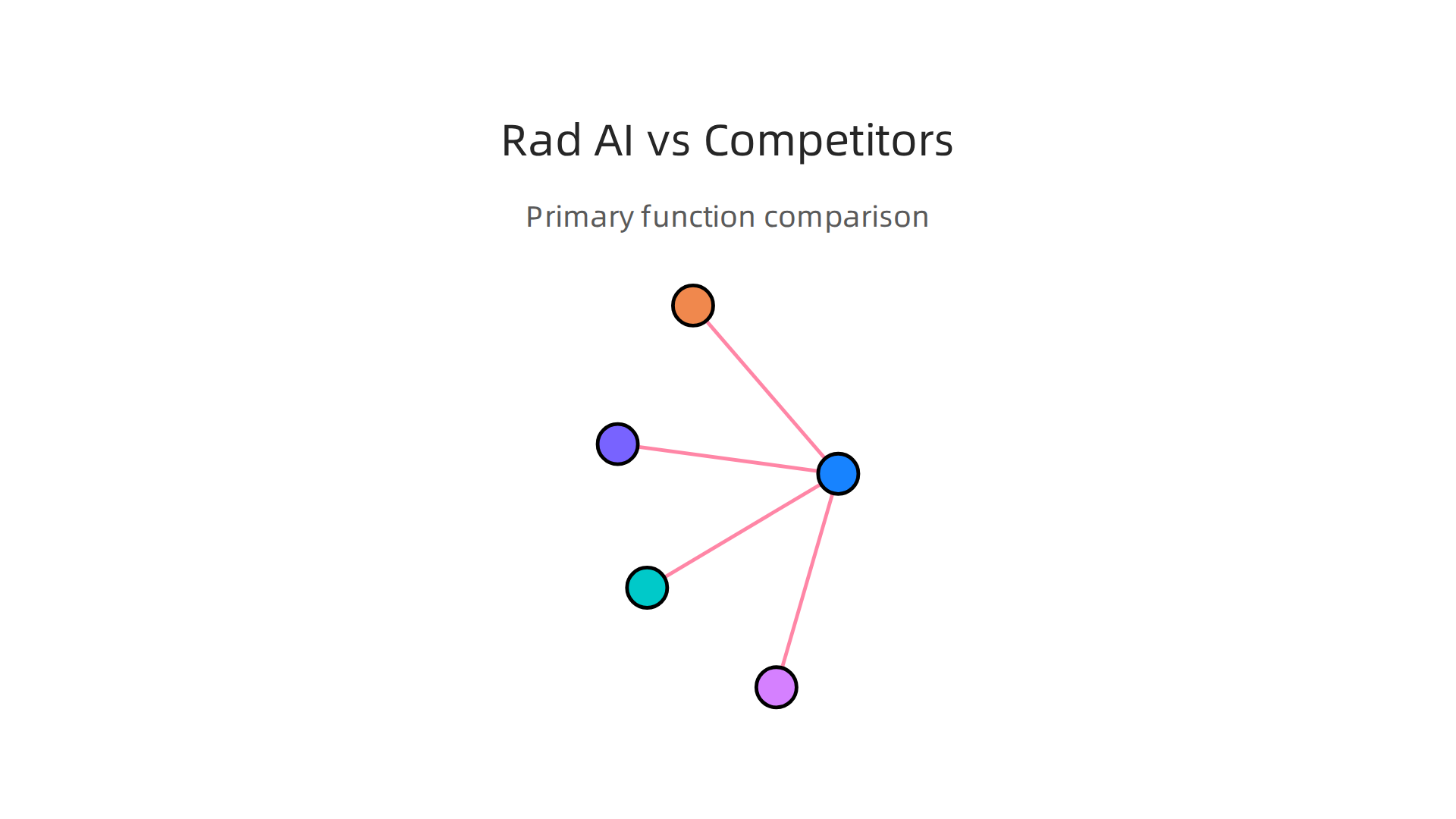
To help you decide, here’s a simple guide comparing Rad AI with other kinds of AI tech tools:
| Tool Type | Best For | What it Does |
|---|---|---|
| Rad AI | Radiology reports, saving doctor time on typing | Creates draft reports, automates notes, helps with patient follow-up |
| Aidoc | Fast detection in busy emergency rooms | Finds many issues in CT scans quickly |
| Viz.ai | Stroke care and quick team coordination | Identifies strokes fast, helps doctors work together |
| Lunit | Cancer screening and oncology imaging | Supports reading images for cancer |
| RamSoft | Complete cloud-based imaging management | Handles image storage, patient info, and overall radiology workflow |
When thinking about other types of AI like deepsearch ai, hebbia ai, or even general AI tools like manas ai, remember they serve different purposes. Deepsearch ai might be about finding hidden information in large datasets, while hebbia ai could focus on document analysis. These are not direct competitors to Rad AI but show how diverse AI tech tools can be. Your choice depends on your specific needs, whether it’s for faster reporting, better image analysis, or broader data insights.
It’s important to look at what each AI tool does best and see how it fits into your daily work. This way, you can pick the tools that truly make a difference. To learn more about how to make smart choices for your business, check out how to choose AI for business tools that deliver real results in 2026. You can also discover top tech companies for business in 2026 to see who is leading the way in different AI areas.
After looking at different tech tools and how they compare, let’s see how Rad AI actually helps in real medical places. This means understanding the clear benefits it brings to hospitals and clinics every day, making work better for everyone.
What Rad AI Does in the Real World
Rad AI is a special tech tool that directly helps doctors. It makes writing radiology reports much faster. Instead of typing every word, doctors can get a draft report ready almost instantly. This means they spend less time on the computer and more time focusing on patients. This speed boost is a big win for daily operations in a clinic.
Think about it this way:
- For Product: The main "product" here is the radiology report. With
Rad AI, these reports become more consistent and faster to produce. This improves the overall quality and speed of service the clinic offers. - For Operations: Doctors save a lot of typing time. This helps the whole system run smoother, from when a patient gets a scan to when their doctor gets the report. Less time spent on busy work means better use of valuable doctor time. It also helps with making sure patients get their important follow-up notes.
- For Marketing: When a clinic uses
Rad AI, they can tell people they offer quick and highly accurate reports. This can help bring in more patients because they know they will get fast and reliable care. The company itself has shown great growth, raising lots of money because people see its value Rad AI scores $60M, boosting its valuation to $525M.
How Clinics Measure Success with Rad AI
When clinics start using Rad AI, they look at certain numbers to see if it’s working well. These numbers help them understand if the AI tech tool is truly making a difference.
Here are some key things they typically track:
- Report Turnaround Time: This is how fast a report is finished after a scan.
Rad AIoften helps cut this time down a lot. - Doctor Time Saved: They count how many hours doctors save each week by not having to type full reports from scratch. This leads to better use of resources and can even cut costs without cutting corners in AI operations.
- Report Accuracy: Even though AI drafts the report, doctors check it. Clinics look to see if the reports are still very accurate and if fewer small mistakes happen.
- Patient Follow-Up Rates:
Rad AIhelps with reminders for patient follow-up care. Clinics check to see if more patients are actually getting the care they need because of these timely reminders. - Doctor Satisfaction: Happy doctors who spend less time on paperwork and more on important tasks are a big win.

This can be seen in better morale across the radiology department.
It’s important to remember that not all tech tools are the same. While Rad AI helps with reports, other tools like deepsearch ai might find hidden information in big sets of data, or hebbia ai might focus on checking documents. Even general AI tools like manas ai have different jobs. Rad AI is very good at its specific job of making radiology reporting better.
If you want to keep up with the latest in AI and how it can help your business, there’s a great way to do it. Get clear daily AI updates from The Deep View Newsletter.
The AI Newsletter Worth Reading
When looking at how Rad AI makes a difference, it helps to see a real example. Imagine a small radiology group, let’s call them "ScanWell Clinic," with just a few doctors. They decided to bring in this tech tool to speed things up.
Here’s how their first 90 days with Rad AI went:
- Weeks 1-2: Getting Ready. The clinic first had meetings to learn what
Rad AIcould do. They planned how to set it up without stopping their daily work. TheRad AIteam helped them get the software ready on their computers. Doctors and staff got a first look at how thetech toolwould help them write reports. - Month 1: Learning the Ropes. Doctors started using
Rad AIfor some reports. At first, it felt a bit new. They had to get used to letting the AI draft the report and then checking it carefully. Some doctors took a little longer, but they quickly saw how it helped them save typing time. They shared feedback with each other on what worked best. - Month 2: Picking Up Speed. By the second month, most doctors were using
Rad AIfor many of their reports. They felt more comfortable with it. The time it took to finish reports started to drop noticeably. This meant patients got their results faster, which is always a good thing. The clinic found thatRad AIwas really helping to make their work flow better. - Month 3: Seeing the Big Picture. After 90 days, ScanWell Clinic looked at their numbers. They saw that radiologist productivity had improved, and reports were finished much quicker. This is similar to what other groups have seen, with some clinics boosting productivity and cutting turnaround times significantly by using
Rad AICase Studies. Doctors felt less tired from typing, and they could focus more on understanding the images themselves.
Good Things They Noticed:
- Faster Reports: The biggest win was how quickly reports were ready. This was good for patients and for the clinic’s schedule.
- Doctors Saved Time: Doctors spent less time on the computer doing repetitive tasks. This freed them up to focus on harder cases or to teach junior staff.
- More Consistent Reports:
Rad AIhelped make all reports sound more similar and complete, which is important for quality.
Things That Were a Bit Tricky:
- Getting Used to New Tech: Any new
tech tooltakes a little time to learn. Some doctors needed more help at the start. - Small Adjustments: Sometimes, the AI needed tiny tweaks to match how a specific doctor liked to phrase things. But these were easy to fix over time.
Overall, ScanWell Clinic found that bringing in Rad AI was a helpful step for their small team. It showed them how specialized AI tools, unlike more general ones like deepsearch ai or hebbia ai, can really fit into and improve a specific kind of work. Learning how to pick the right tools for your business is key to getting these kinds of results. If you are looking to bring in new digital tools, it’s always wise to learn how to choose AI for business tools that deliver real results in 2026.
Implementation Checklist: What to Verify Before You Buy
Choosing tech tools for your business, like a specialized Rad AI system, is a big step. Just like ScanWell Clinic learned, getting good results means you need to think things through before you buy. It’s not enough to just see a cool tool; you need to check if it’s the right fit for your team. Here is a simple checklist to help you make smart choices in 2026.
1. Technical Checks
First, let’s talk about the tech side. You want to make sure the new tech tool can talk to your existing computer systems.
- How will it connect? Many AI tools use special "API" connections or software kits (SDKs) to link up with other programs. You need to know if the
Rad AItool can easily plug into what you already use. This is like making sure a new phone charger fits your phone. Understanding how AI API integration works can help you ask the right questions. - What computer power does it need? Some AI tools, even small ones, need a lot of computing power. You might need strong graphics cards (GPUs) or fast storage to handle all the data. Thinking about how to build an AI platform, especially in radiology, can give you clues about these needs How to Build an AI Radiology Diagnostic Platform in 2026. Make sure your current setup can handle the demands or know what upgrades you might need.
2. Legal and Safety Checks
Next, think about rules and safety. This is super important, especially with tools like Rad AI that handle sensitive patient information.
- Data Privacy: Where will your data go? How will the AI keep patient information safe and private? You need to ensure the
tech toolfollows all the rules about data protection, like HIPAA or GDPR, depending on where you are. - Regulations: AI use in healthcare is watched closely. Make sure the
Rad AIsolution meets all the current laws and standards for medical tools in 2026. This helps avoid problems down the road. It also helps with the bigger picture of AI in Healthcare: Bridging Ideas to Implementation.
3. Procurement Checks: The Buying Process
Before you sign on the dotted line, consider these points:
- Cost: What’s the full price? Is it a one-time cost, or do you pay monthly or yearly? Are there extra costs for setup, training, or support?
- Support: Who will help you if something goes wrong or you have questions? Good support is key when you’re using new
tech tools. - Training: Will the company train your staff on how to use the
Rad AItool? Good training helps everyone get comfortable faster.
4. Defining Goals and Pilot Plans
Lastly, before you even bring in the tool, know what success looks like.
- What do you want to fix or improve? Do you want faster reports, happier doctors, or to save money? Write down clear goals.
- How will you measure success? Think about the numbers. ScanWell Clinic measured how quickly reports were done. What numbers will you track to see if the
tech toolis helping? - Start Small: Like ScanWell Clinic, it’s smart to start with a test run, or "pilot," before using the tool everywhere. This helps you learn and make adjustments. It’s also important to involve your team from the start, getting their thoughts on the clinical need for any new solution.
By doing these checks, you can reduce worries and make sure any new tech tool you bring in, whether it’s Rad AI, or something else entirely, will truly help your business grow. If you’re looking to keep up with the latest in AI and how it affects your business, there’s a great resource.
Get clear daily AI updates from The AI Newsletter Worth Reading.
Summary
This article explains why a focused, specialized AI like Rad AI matters for business users in 2026, especially for hospitals and imaging centers that need faster, more accurate radiology reporting. It walks through Rad AI’s core modules—generative reporting and next‑generation speech recognition—who benefits most, and the technical strengths that make it effective in clinical workflows. The piece also covers practical buying considerations: pricing models (enterprise, per‑seat, or usage), hidden costs that affect total cost of ownership, and common integration methods such as APIs, SDKs, and platform connectors. You’ll find an implementation roadmap (planning, testing, training), typical roadblocks (security, compatibility, adoption), and a 90‑day case study showing measurable gains in turnaround time and clinician productivity. Finally, the article gives a clear pre‑purchase checklist so decision makers can evaluate fit, compliance, and ROI before adopting Rad AI or similar specialized tools.