Introduction
Have you ever wished you could create a professional video without stepping in front of a camera?

Maybe you need a training video, a social media post, or a product demo, but you don’t have the time or budget for actors, lighting, and reshoots. That is exactly where an ai avatar can help.
AI avatars are changing how creators, marketers, and business owners produce video content. Instead of filming a real person, you can generate a realistic digital presenter who speaks your words in seconds. The numbers prove this is no passing trend. The global AI avatar market was worth about USD 9.78 billion in 2025 and is expected to grow to USD 12.90 billion in 2026, according to Precedence Research. Other reports show the market could reach over USD 24 billion by 2033, growing at a rate of more than 33% each year.
But here is the challenge. With so many AI avatar tools launching every month, choosing the right one for your workflow can feel like a guessing game. Some tools focus on photorealistic humans, others on cartoon characters. Some let you clone your own face, while others offer ready made options. And it is not always easy to tell an ai or human presenter apart anymore.
That is where this guide comes in. We have analyzed the top AI avatar platforms available in 2026. We look at real use cases, pricing, quality, and best practices so you can make a smart choice. Whether you are a solo creator, a marketing team, or a training department, you will find practical advice here.
For more context on how AI is reshaping creative work, check out our take on human or ai creativity and what collaboration looks like this year.
The world of video content is moving fast. Let us help you keep up without the headache. If you want to stay ahead of every new trend and tool, subscribe to The Deep View Newsletter for clear daily updates straight to your inbox.
What Are AI Avatars and Why They Matter for Content Creators
Have you ever watched a video and wondered if the person speaking was real or generated? That is the power of an ai avatar. In simple terms, an AI avatar is a digital character created by artificial intelligence. It can look like a realistic human, move naturally, and speak any text you give it.
For content creators in 2026, this is a game changer. You no longer need a full production setup to make professional videos. You just write a script, choose an avatar, and let the software do the rest. According to the AI Avatars Industry Report 2026, these avatars now use advanced AI to read emotions and match tone, making them feel more real than ever.
The shift from traditional video production to AI driven creation is happening fast. The global AI avatar market was worth USD 9.78 billion in 2025 and rose to USD 12.90 billion in 2026, according to Precedence Research. Other reports, like the one from Transpire Insight, show the market growing at over 33% each year. This growth shows that creators, marketers, and businesses are choosing speed and scale over old school filming.
Why do they matter so much? Because video content is still king in 2026, but making it was always expensive and slow. AI avatars change that. A creator can make a training video, a product demo, or a social media post in minutes.

Need to change a line in the script? Just edit the text and regenerate. No reshoots needed. Sometimes the quality is so good that it is hard to tell the difference between an ai or human presenter. This efficiency lets you focus on your message instead of the logistics of filming.
Of course, keeping things authentic matters. You want your brand to feel human, even when using a digital presenter. That is why we wrote about balancing tech and personality in our guide on human or ai creativity. The best results come from using AI as a tool, not a crutch. It helps you scale your work while keeping your unique voice.
The AI landscape changes fast. New tools, updates, and best practices pop up daily. To make sure you never miss an important shift, subscribe to The Deep View Newsletter. It is the easiest way to get clear, practical AI news straight to your inbox every day.
Top Use Cases for AI Avatars in Creative Content Production
So you know what an AI avatar is and why it matters. But where do you actually use one? The short answer is almost anywhere you would use a human presenter. In 2026, creators and brands are finding new ways to bring these digital characters into their daily workflow. Here are the most powerful use cases right now.
Marketing and Sales Videos
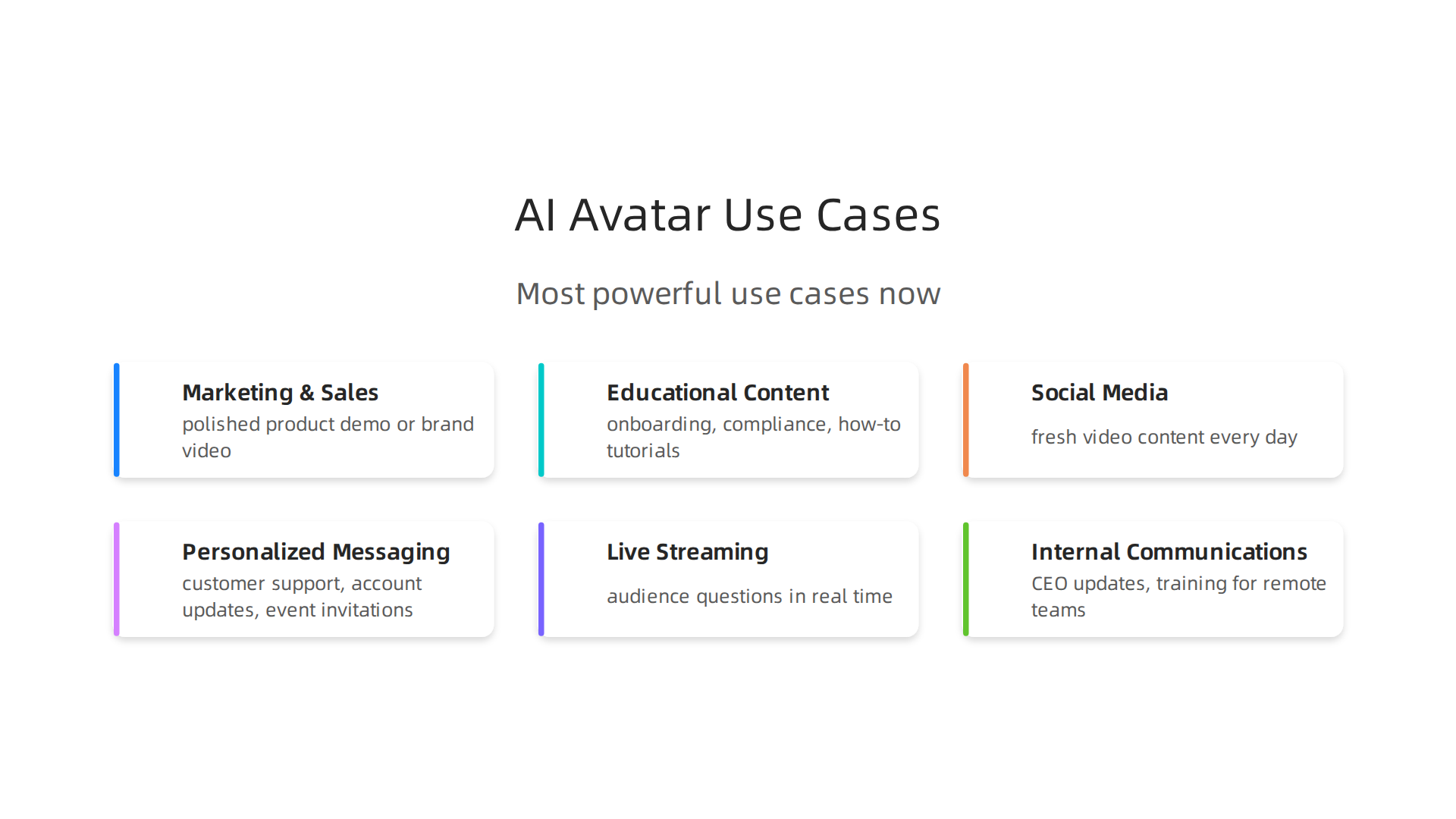
This is the biggest use case by far. Instead of hiring actors, renting a studio, and spending days editing, you can generate a polished product demo or brand video in minutes. A great example comes from the 2026 holiday season. One brand used an interactive AI Santa avatar that drove over 1 million engagements across 43 countries, according to a collection of AI marketing case studies. That is the kind of scale that would cost a fortune with traditional production.
Sales teams also use AI avatars to personalize outreach at scale. You can send a video where the avatar speaks directly to a prospect by name, mentions their company, and addresses their specific pain point. The Vidyard guide on AI avatars in sales shows how teams save hours per rep each week while keeping that one-to-one feel.
Educational and Training Content
Think about onboarding videos, compliance training, or how-to tutorials. Instead of filming a real person once and having that video go stale, you use an avatar. If the policy changes, you just update the script. The avatar handles it perfectly every time. The AI Avatars Industry Report 2026 highlights that training departments are adopting avatars fast because they cut production costs by over 60% while keeping the content consistent.
Social Media Content
Social media demands volume. You need fresh video content every day for TikTok, Instagram Reels, YouTube Shorts. Filming that many takes is exhausting. AI avatars let you generate short, engaging clips from a single script. You can even create different versions for different platforms without extra work. The tone stays consistent, and the avatar looks professional every time.
Personalized Messaging
This one overlaps with sales, but it goes beyond. Customer support, account updates, and event invitations can all use a personalized avatar. Imagine a banking app that sends you a short video message from a digital assistant, explaining your monthly spending in a friendly way. That is already happening. According to the AI Avatar Statistics 2026 report, 85% of customer interactions in retail will be managed by AI including avatars. Personalized video creates trust and cuts through the noise.
Live Streaming with Avatars
This is an emerging use case that is growing fast. Streamers and event hosts now run live broadcasts where an AI avatar responds to audience questions in real time. The avatar looks like a cartoon or a realistic human, and it reacts naturally. The market data backs this up. The global AI avatar market is expected to hit $110.9 billion by 2034, growing at over 30% each year according to OpenPR. Live streaming is a big part of that growth.
Internal Communications
Finally, companies use AI avatars for internal announcements. The CEO can record a quarterly update using an avatar that looks like them, but without blocking a full day for filming. You can also create training videos for remote teams in multiple languages without hiring translators. It keeps everyone on the same page without the logistics nightmare.
Here is the thing. The best results happen when you treat the avatar as a tool, not a replacement for your brand voice. You still need to write a good script and pick the right avatar style. If you want to dig deeper into how to keep the human element alive, check out our guide on human or ai creativity.
The AI landscape keeps shifting. New use cases appear every month. To stay ahead without spending hours searching for news, subscribe to The Deep View Newsletter. It delivers clear, practical AI insights straight to your inbox each day.
How to Choose the Right AI Avatar Tool: A Comparison Framework
Now that you know what you can do with an AI avatar, the next step is picking the right tool.

In 2026, the market has dozens of options. But three platforms keep rising to the top: HeyGen, Synthesia, and Colossyan.

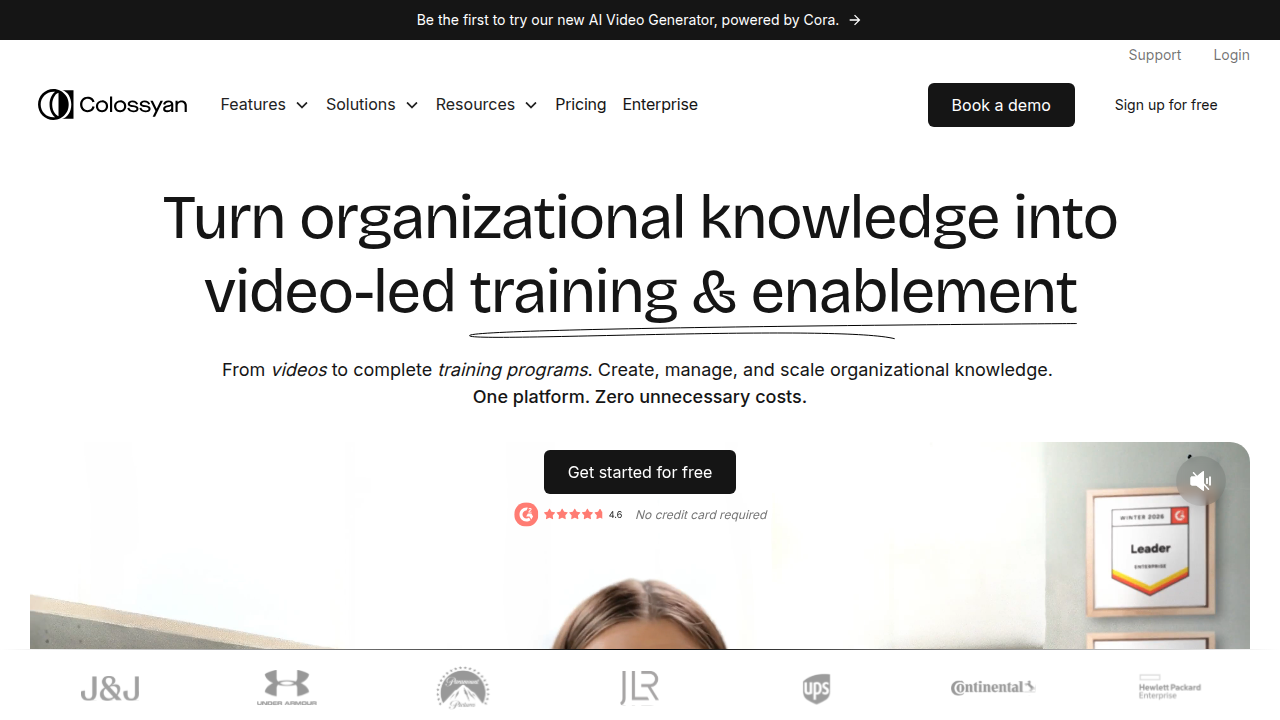
Each one shines in different areas. Here is a framework to help you decide without getting stuck in analysis paralysis.
The Key Criteria to Evaluate
Before you pick a platform, think about these five factors.
They matter more than flashy features.
Realism and Avatar Quality. Does the avatar look natural? Do the lips sync with the audio? Can you tell it is a computer? According to a detailed comparison from AIMagicX, HeyGen leads in avatar naturalness with over 100 avatars and support for 175+ languages. Synthesia is close behind with 240+ avatars and 140+ languages. Colossyan focuses on enterprise quality but has a smaller library.
Customization Options. Can you clone your own face and voice? Can you adjust the background, clothing, and gestures? Some platforms lock you into preset avatars. Others let you create a fully custom AI avatar that matches your brand.
Language and Voice Support. If you need to reach a global audience, this is critical. HeyGen supports 175+ languages. Synthesia supports 140+. Colossyan supports around 100. Check that your target languages are included.
Pricing and Plans. This varies a lot. The 2026 AI Avatar Toolkit from Marketing Agent Blog notes that Synthesia leads in enterprise quality but comes at a higher price point. HeyGen is more budget friendly for solo creators and small teams. Colossyan sits in the middle.
Integration and Workflow Fit. Can you connect the tool with your existing video editor, LMS, or CRM? Does it export in the formats you need? Is there a team collaboration feature?
Side-by-Side Tool Comparison
Here is a quick snapshot based on the latest 2026 data from multiple comparison sources including Colossyan’s own comparison page.
| Feature | HeyGen | Synthesia | Colossyan |
|---|---|---|---|
| Avatar Library | 100+ | 240+ | 70+ |
| Languages Supported | 175+ | 140+ | 100+ |
| Voice Cloning | Yes | Yes | Yes |
| Best For | Social media, natural look | Enterprise, structured editing | Training, compliance |
| Starting Price | Mid-range | Higher | Mid-range |
| Collaboration | Team plans | Team plans | Enterprise plans |
According to Vidmetoo’s comparison, HeyGen also scores well on SOC 2 compliance, which matters if you work with sensitive data.
A Simple Decision Matrix
Still unsure? Match your situation to the right pick.
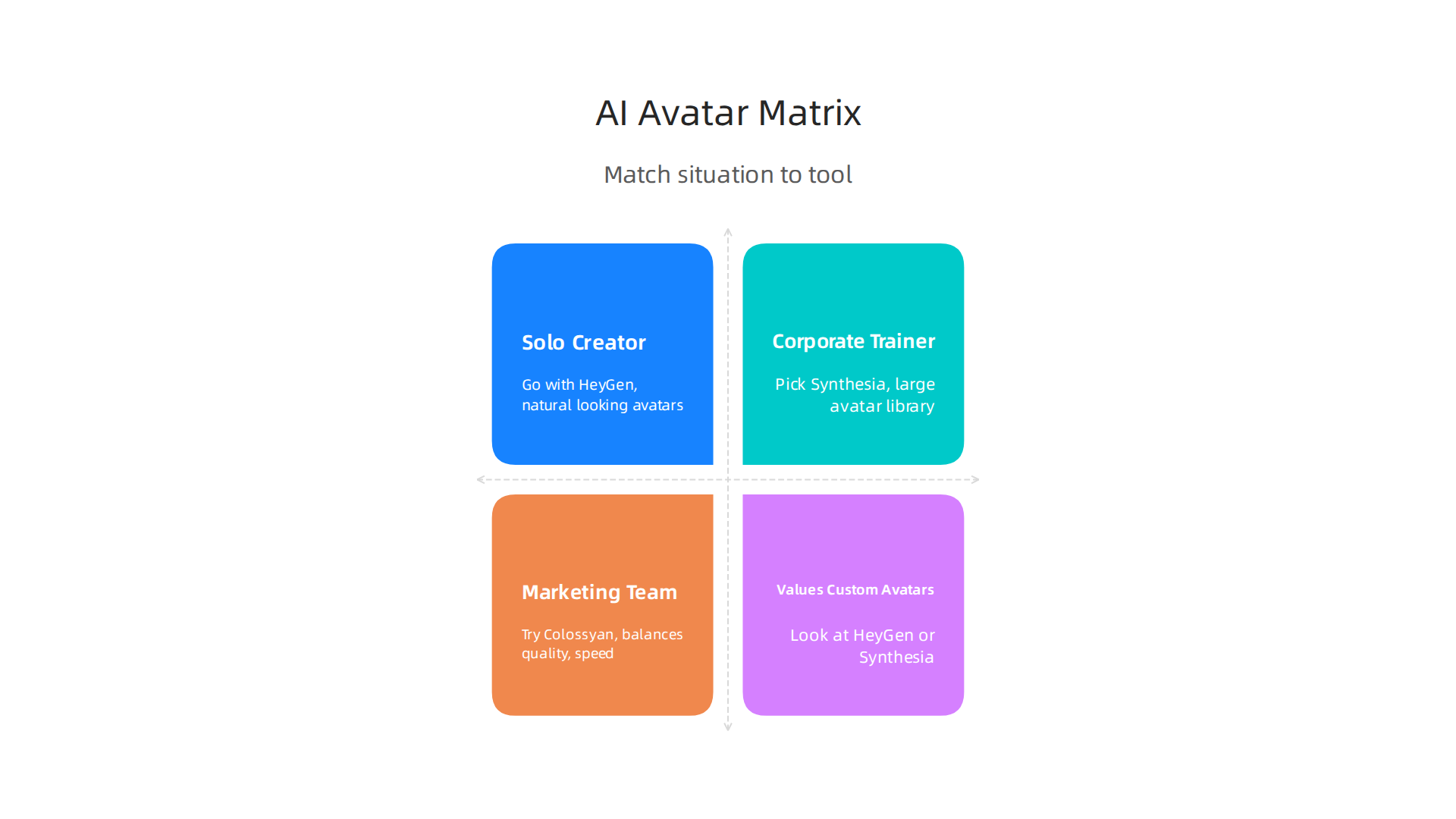
Solo Creator or Social Media Manager. Go with HeyGen. It gives you the most natural looking avatars, supports tons of languages for international reach, and keeps the price reasonable.
Corporate Trainer or Compliance Specialist. Pick Synthesia. Its large avatar library and structured editing tools make it perfect for long form training videos. The Slashdot comparison shows Synthesia ranks highest for enterprise features.
Marketing Team or Agency Needing Speed. Try Colossyan. It balances quality with fast rendering times and strong compliance features.
Anyone Who Values Custom Avatars. Look at HeyGen or Synthesia. Both let you create custom AI avatars by uploading your own footage.
The Human Element Still Matters
Here is the thing. The best AI avatar tool in the world cannot replace a good script and a clear message. The avatar is just the delivery system. You still need to plan your content, know your audience, and keep the human touch. If you want to explore how to blend human and AI creativity effectively, check out our guide on human or AI creativity.
Next Steps
Start by identifying your primary use case. Then pick two or three platforms from this list and test their free trials. Most of them offer one. Try creating a short video and see which one feels easiest and looks best.
As you evaluate your options, staying updated on the latest tool changes and benchmarks can save you hours of research. That is exactly why subscribe to The Deep View Newsletter. It delivers clear, practical AI insights straight to your inbox each day so you always know which tools are actually worth your time.
Now let’s get into the hands on reviews. I tested these three platforms myself in 2026, and here is what I found.
HeyGen: The Natural Look King
HeyGen is the tool I reach for when I need an AI avatar that actually looks like a real person. Its avatar quality is the best I have seen. The lip sync is tight, the eye movements feel natural, and the voices sound less robotic than most competitors.
Strengths. Over 100 avatars and support for 175+ languages. According to AIMagicX, HeyGen leads in avatar naturalness. It also scores well on SOC 2 compliance, which matters if you deal with sensitive data. The Colossyan comparison page confirms HeyGen wins on naturalness.
Weaknesses. The avatar library is smaller than Synthesia’s. Advanced editing features are limited compared to enterprise platforms.
Target audience. Solo creators, social media managers, and marketers who want quick, viral ready videos. Pricing is mid range and budget friendly for individuals. It is perfect for short clips for TikTok, Instagram, or YouTube Shorts.
Synthesia: The Enterprise Powerhouse
Synthesia feels like a full video production studio inside a browser. It has the largest avatar library with over 240 options and supports 140+ languages. The structured editing interface makes it easy to build long form videos like training modules or product demos.
Strengths. Massive avatar selection, robust editing tools, and strong enterprise features. The Marketing Agent Blog notes that Synthesia leads in enterprise quality. I found the collaboration tools helpful for team projects.
Weaknesses. Higher price point. The avatars are good but not quite as natural looking as HeyGen’s top models.
Target audience. Corporate trainers, L&D teams, and large marketing departments. Best for compliance videos, onboarding, and internal communications where consistency matters more than speed.
Colossyan: The Balanced Performer
Colossyan sits between HeyGen and Synthesia. It offers around 70+ avatars and 100+ languages, but it focuses on fast rendering and strong compliance features.
Strengths. Good balance of quality and speed. SOC 2 compliant. The Vidmetoo comparison highlights Colossyan’s strong editing capabilities. It is also ranked well for training use cases on Slashdot.
Weaknesses. Smaller avatar library and fewer language options than the other two. Less suited for social media viral content.
Target audience. Marketing teams and agencies that need quick turnaround on professional videos. Also good for compliance heavy industries like healthcare and finance.
My Pick for Creators
If you are a solo creator or running a small team, HeyGen gives you the best mix of natural quality, language support, and price. If you work in a large organization with multiple stakeholders, Synthesia is the safer bet. Colossyan is a strong middle ground.
No matter which tool you choose, remember that the avatar is just the messenger. The script and message still matter most. For more on balancing human creativity with AI tools, read our guide on human or AI creativity.
The AI avatar space changes fast. New updates and features come out every month. To stay ahead without drowning in noise, subscribe to The Deep View Newsletter. It delivers clear daily insights on the tools that actually matter.
Best Practices for Creating Engaging Avatar Content
Picking the right platform is just the first step. The real magic happens when you know how to use your ai avatar well. Here are the best practices I follow to make sure every video feels real, connects with viewers, and actually gets results.
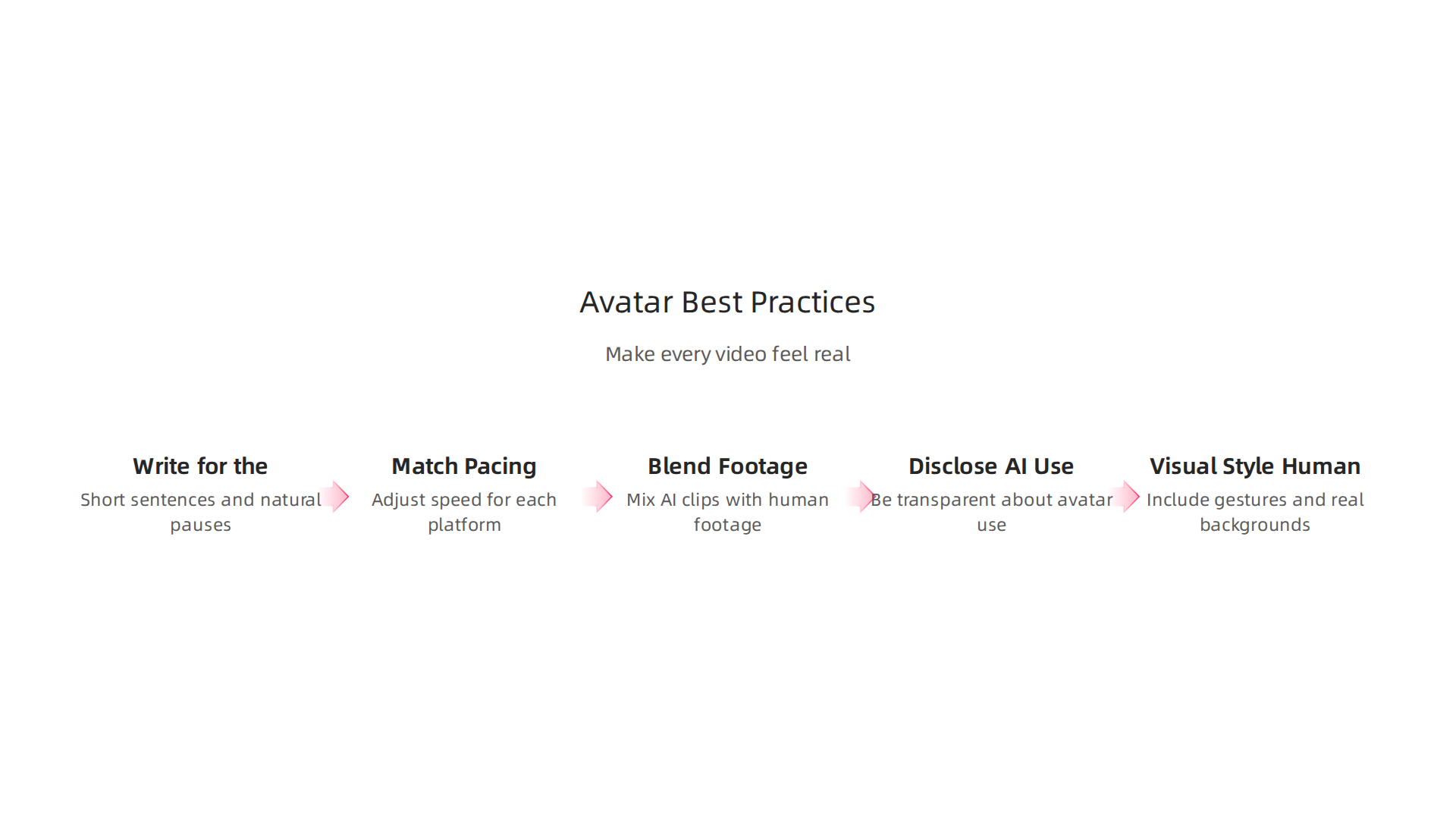
Write for the Ear, Not the Eye
Script writing for avatars is different from writing for a blog. You need short sentences, natural pauses, and conversational tone. Read your script out loud before you record. If it sounds stiff to you, it will sound robotic through an avatar.
Keep your sentences under 20 words when you can. Use contractions like "you’ll" instead of "you will." And leave space for pauses. A small silence between ideas makes the avatar look more thoughtful.
Match Pacing to Your Platform
Your avatar video should move at the right speed for where you post it.
- TikTok and Instagram Reels. Fast pacing wins here. Keep videos under 60 seconds. Start with a hook in the first 3 seconds. The avatar should talk quickly and energetically.
- YouTube. You have more room. Videos can be 5 to 10 minutes long. Slow down the pace. Let the avatar pause between key points. Add B-roll or screen recordings to break up the talking.
- LinkedIn. Professional and steady wins the day. Aim for 2 to 4 minutes. Focus on value. Use a calm, authoritative voice style.
According to the AI Avatars Complete Guide 2026, understanding platform specific best practices makes a huge difference in viewer retention.
Blend Avatar Footage with Real Video
One of the best tricks I have learned is to mix ai avatar clips with real human footage. This adds authenticity. Start with a real person introducing the topic. Then switch to the avatar for the explanation. End with the real person again for a personal closing.
This hybrid approach builds trust. Viewers know the content is AI generated, but they also see a real human behind it. For more on finding the right line between human and machine, check out our article on human or AI creativity.
Disclose Your AI Use
Here is something many creators overlook in 2026. You need to be transparent about using an ai avatar. More than a dozen sources I reviewed, including the Creator’s Guide to AI Disclosure in 2026, highlight that audiences reward honesty. A simple line like "This video was created with AI" at the start or in the description goes a long way.
Use Visual Style That Feels Human
Small details matter. Add background elements like a bookshelf, plant, or subtle animation behind the avatar. Make sure the avatar looks at the camera, not off to the side. Use hand gestures if your tool supports them. These small choices make the ai avatar feel less like a robot and more like a presenter you trust.
The difference between a good avatar video and a great one often comes down to these little touches.
Stay Updated So You Stay Ahead
The ai avatar space evolves fast. Tools release new features every month. What works today might feel outdated next quarter. The best way to keep learning without the overwhelm is to follow a trusted source.
That is exactly why I recommend The Deep View Newsletter. It delivers clear daily insights on the AI tools that actually matter. No fluff. Just practical updates that help you create better content every time.
The Future of AI Avatars in Content Production
The world of ai avatar technology is moving fast.

What felt futuristic last year is already here in 2026. And the next few years will bring even bigger changes. Let me walk you through what is coming next.
Real-Time Avatars with Emotional Intelligence
One of the biggest shifts I see is avatars that can react in real time. Instead of pre-recorded videos, you will soon have avatars that respond to questions live. They will read tone of voice and adjust their replies.
According to the AI Avatar Trends report from Genies, avatars are becoming emotionally intelligent. This is called affective computing. It means your ai avatar will know if a viewer sounds confused or excited and change how it talks to match that mood. That is a huge leap forward.
Multi-Lingual Avatars That Sound Natural
Another trend is language flexibility. The best tools in 2026 already let you create an ai avatar that speaks multiple languages with accurate lip sync and natural accents. This opens up global audiences without hiring voice actors in every market.
The Vidyard guide on using AI avatars in sales and marketing highlights how teams are scaling personalized outreach across different languages with a single avatar. This saves time and money.
Integration with Other AI Tools
Here is where things get really interesting. Your ai avatar will not work alone. It will connect directly with AI script writers, AI video editors, and AI analytics tools. You will write a script with one tool, generate the avatar video with another, and edit it with a third, all in one smooth workflow.
TechCrunch noted in early 2026 that AI is moving from hype to pragmatism. That means tools are getting better at working together. For a deeper look at how AI tools are evolving, check out our guide on the top AI websites professionals trust for real news and tools.
Ethical Questions and Platform Rules
All this power comes with responsibility. Platforms are updating their rules about AI generated content. Some require clear labels. Others limit how avatars can be used.
You need to stay aware of these policies. The Harvard Business Review piece on AI ROI reminds us that trust is a key part of adoption. If viewers feel tricked, they will not engage. Always disclose when you use an ai avatar. It keeps your audience on your side.
What This Means for You
The future of content production is not about replacing humans. It is about giving you more power to create. Real-time avatars, emotional awareness, and tool integrations will help you produce better content faster.
To keep up with these changes without spending hours researching, I recommend The Deep View Newsletter. It gives you clear daily updates on the AI tools that matter most. No fluff. Just practical insights to help you stay ahead.
Summary
This guide explains what AI avatars are, why they matter for creators and businesses, and how to use them to produce professional video faster and cheaper. It covers the main use cases—marketing, training, social media, personalized messaging, live streaming, and internal comms—then gives a practical framework for choosing a platform based on realism, customization, language support, pricing, and integrations. The article includes hands-on reviews of HeyGen, Synthesia, and Colossyan, showing which works best for solo creators, enterprises, and agencies, and it explains how to test tools using free trials. You’ll also get concrete best practices for writing scripts, pacing for different platforms, disclosure, and visual styling to keep videos authentic. Finally, the guide looks ahead to real-time, emotionally aware avatars, multi-lingual capabilities, and ethical considerations so you can adopt avatar tech responsibly and effectively.