Why Roper Technologies’ AI strategy matters for product teams, operators, and buyers
In today’s fast-moving world, understanding how big tech companies use new ideas like Artificial Intelligence (AI) is very important. One company that stands out is Roper Technologies. Unlike many other tech companies that focus on just one kind of product, Roper Technologies owns many different businesses. These businesses make all sorts of software and tools for many industries, like healthcare, education, and water management.
Roper Technologies isn’t just about owning many businesses; it’s about making them better. In 2026, Roper has been putting a lot of effort into using AI across all its parts. This approach has led to new AI-powered products and helped the company grow its earnings significantly. For example, they’ve shared how their businesses are shipping AI products and speeding up how they use AI. They also talked about how they are committed to Embracing AI for Growth. This makes their way of handling AI very important to study.
Because Roper Technologies works in so many different areas, its AI strategy can teach us a lot. It shows how AI can be used to improve many kinds of products and services. If you are part of a product team, run a business, or buy technology, you will gain valuable knowledge from seeing how Roper builds and uses AI.

This article will help you understand:
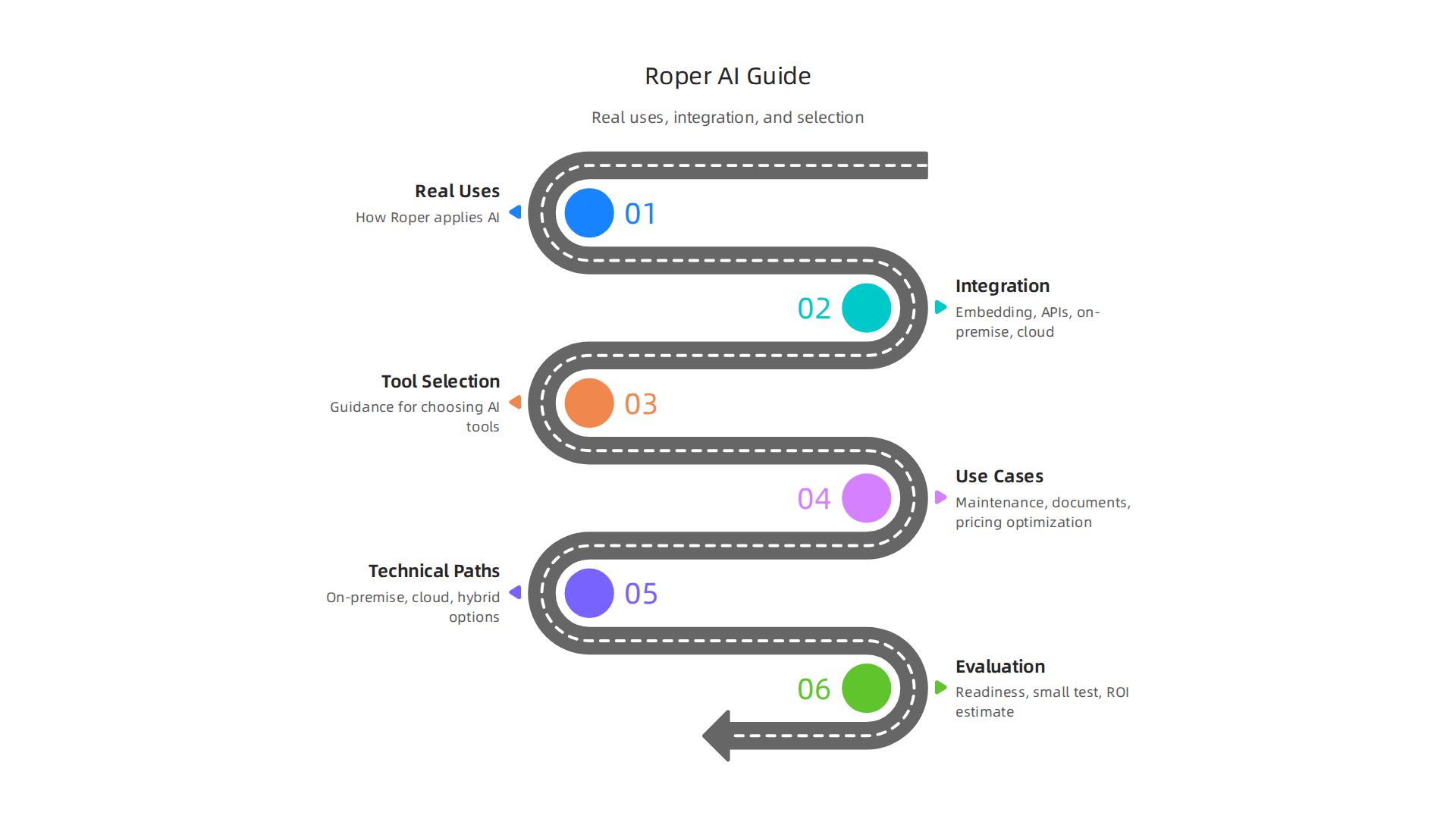
- Real-world uses for AI: We will look at how Roper’s many businesses are actually putting AI to work every day. You’ll see different examples of AI in action.
- How to add AI to your own work: We will explore how different parts of Roper’s businesses bring AI into their systems. This can help you think about how to add AI to your own company’s products, whether you are looking at tools like those from Infineon Technologies or iRhythm Technologies.
- How to pick the best AI tools: It’s hard to know which AI solutions are right for your business. We will share ideas on how to pick the best AI tools that truly help you, just like if you were thinking about using something like Pathway AI. You can also learn more about How to Choose AI for Business Tools That Deliver Real Results in 2026.
By looking closely at Roper’s steps in AI, we hope to give you clear ideas and tips you can use right away.
To stay on top of the latest AI trends and how they impact businesses, make sure you’re reading the best information.
The AI Newsletter Worth Reading
Roper Technologies is a unique kind of company. It’s not just one big business, but rather a family of many smaller, specialized tech companies. These businesses create special software and products for very specific industries. Think about areas like healthcare systems, education tools, water meters, and even software for managing freight. Each of these smaller businesses is a leader in its own field.
In 2026, Roper Technologies shared that its revenue went up by 11% to $2.10 billion in the first quarter, showing strong growth across its many parts. The company’s unique structure is important for understanding how it uses AI. Roper grows by buying other successful companies. Once a company joins Roper, it usually keeps running mostly on its own. This is called a "decentralized" model. This way, each business can focus on what it does best.
This decentralized approach means that how quickly and easily AI is added depends on each separate business within Roper. For example, a software company that handles a lot of data, like those in logistics, might adopt AI very fast. We have seen how Roper’s businesses are already "shipping AI products" and speeding up how they use AI across their wide range of offerings, according to their first quarter financial results Roper Technologies announces first quarter financial results.
Because Roper Technologies lets its businesses run largely on their own, the AI efforts might look different from one unit to another. Management has made it clear that Roper’s strategy is built on smart acquisitions and improving AI abilities across the board Management says Roper Technologies (ROP) Strategy …. This helps ensure that AI solutions are tailored to the specific needs of each product or service. So, whether a business is making tools similar to Infineon Technologies or iRhythm Technologies, or even an advanced analytics solution like Pathway AI, the goal is to make sure AI truly fits and improves their specific work. This flexible way of adopting AI helps these many businesses grow and adapt to new changes, making the overall innovation line 2026 how businesses adopt AI for growth easier to manage.
Roper Technologies isn’t just letting its businesses figure out AI on their own. The company has a clear plan to add AI through smart purchases and by making its products better. This shows how serious Roper Technologies is about using AI to grow.
One big step was when Roper Technologies agreed to buy CentralReach for about $1.65 billion in 2025. CentralReach makes software for businesses that help people with special needs. By bringing such a company into the Roper family, Roper helps it keep growing and improve its software with new technologies. Another important move was the plan to acquire Subsplash, an AI engagement platform, also in 2025. This shows Roper is directly bringing in companies that specialize in AI.
Beyond buying new companies, Roper also helps its existing businesses add AI to their products. For example, DAT Freight & Analytics, one of Roper’s businesses, has rolled out new AI tools. Its DAT One mobile app now has AI-powered Load Recommendations. This helps truck drivers and logistics companies make better choices. These kinds of updates show that the different parts of Roper Technologies are really putting AI to work in practical ways.
In fact, the CEO of Roper Technologies, Neil Hunn, said in 2026 that the company’s businesses were already "shipping AI products." He also noted that Roper’s AI abilities have grown, and they are moving faster to use AI in their offerings Roper Technologies raises 2026 profit forecast as AI demand boosts software sales. This means they are not just talking about AI, but actually making it a part of what they do every day. This ongoing effort helps Roper’s many different tech companies deliver better services and products to their customers.
Mini-case: a recent Roper acquisition and its AI implications
Roper Technologies made a big move in 2025 by buying CentralReach for about $1.65 billion. This company makes special software that helps businesses support people with special needs Roper Technologies signs agreement to acquire CentralReach for $1.65bn. This purchase is important for Roper Technologies because it shows how they plan to add AI to their products.
For CentralReach, AI can make a huge difference. Imagine AI helping therapists make even better, more personal plans for each person. Or, AI could help by looking at lots of data to find new and faster ways to give support. This means CentralReach’s software will become smarter and more helpful, fitting right into Roper’s bigger plan to boost all its tech companies with AI. Adding AI can help these services innovate and grow their offerings how businesses adopt AI for growth. Roper sees its businesses like CentralReach as key places to keep shipping out those new AI products, as mentioned by the company’s management in 2026 Management says Roper Technologies (ROP) Strategy ….
Roper Technologies isn’t just looking at AI for one company like CentralReach. They see many ways AI can help all their different businesses. Imagine AI making machines run better or helping with office work. Here are some clear examples of how AI can add real value across Roper’s portfolio.

Practical use cases: where AI can add value across Roper’s portfolio
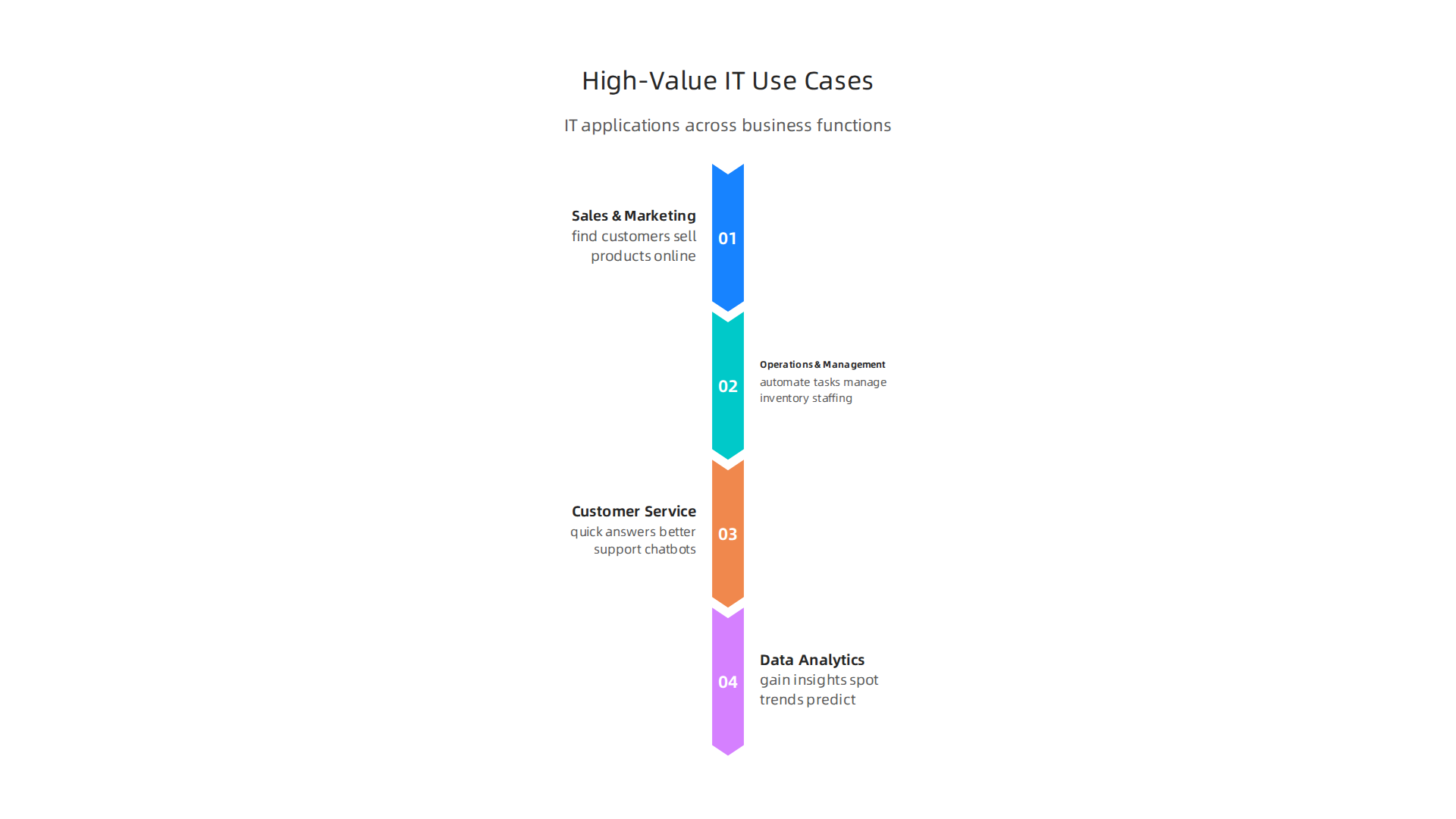
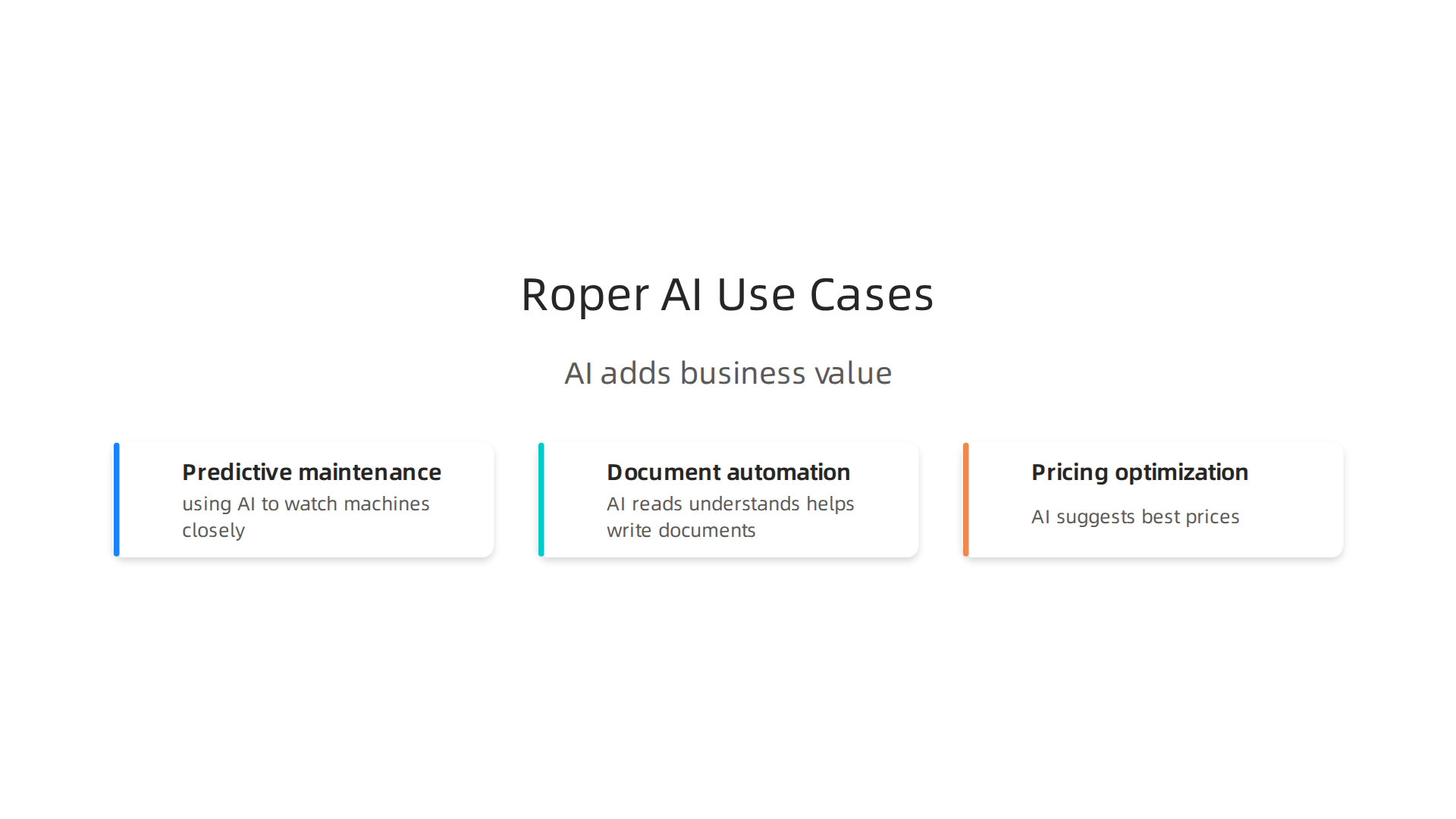
One big area where AI can help is called predictive maintenance. This means using AI to watch machines closely and guess when they might break down. Instead of waiting for a machine to stop working or fixing it on a set schedule, AI tells you exactly when it needs attention. For Roper’s industrial tech companies, like those making sensors or controls, this is a huge deal. By using predictive maintenance, businesses can cut down on unexpected machine stops by 30% to 50% and save a lot on repair costs Industrial AI Statistics 2026: ROI, Adoption & Downtime Data. This can lead to a big return on investment, sometimes 300% or more, according to what we’re seeing in 2026 20 AI Use Cases in Manufacturing With Real ROI (2026). The main goal here is to keep things running smoothly, measure how much downtime is saved, and track how much less money is spent on maintenance.
Another useful area for AI is making office work easier, often called document automation or data analysis. Many of Roper’s software businesses, including those in healthcare or information technology, deal with lots of papers and data. AI can read these documents, understand what’s important, and even help write new ones. This means less manual work and fewer mistakes. For example, AI can help CentralReach process client information faster or help other tech companies in Roper’s family quickly sort through customer feedback. Businesses using AI for things like support automation or legal review are seeing clear returns, making tasks quicker and more accurate Generative AI Enterprise ROI 2026: Use Cases & Numbers. The main goal is to speed up tasks and reduce errors, using numbers like processing time and error rates to show success. When you want to find the right AI tools to help your business, it’s good to know how to choose AI for business tools that deliver real results in 2026.
AI can also help with pricing. For many of Roper’s software and service businesses, figuring out the best price for products or services can be tricky. AI can look at tons of data like past sales, what competitors are doing, and how customers react. Then, it can suggest the best prices to make more sales and earn more money. This is called pricing optimization. The goal is to boost how much money the company makes and improve its profit margins. By using AI in these smart ways, Roper Technologies can help its different companies grow and become even stronger. Staying updated on these trends is key.
Get clear daily AI updates from The AI Newsletter Worth Reading.
Now, let’s talk about how Roper Technologies can set up these smart AI systems for its many businesses. It’s like building different kinds of houses for different needs. These ways of setting things up are called "architectures" and "integration patterns." They decide where the AI lives and how it connects to other tools.
Technical pathways: architectures and integration patterns Roper teams might use
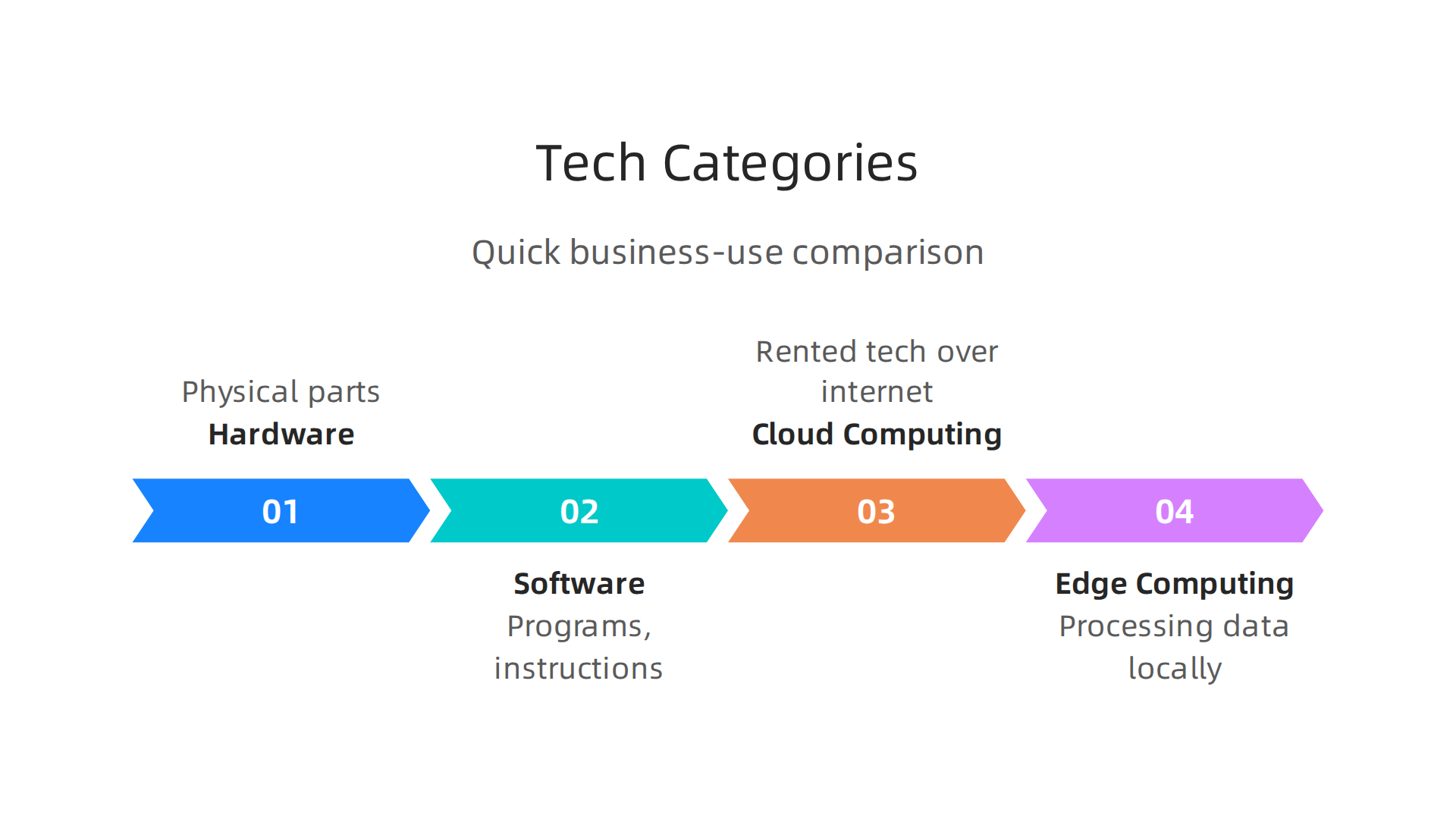
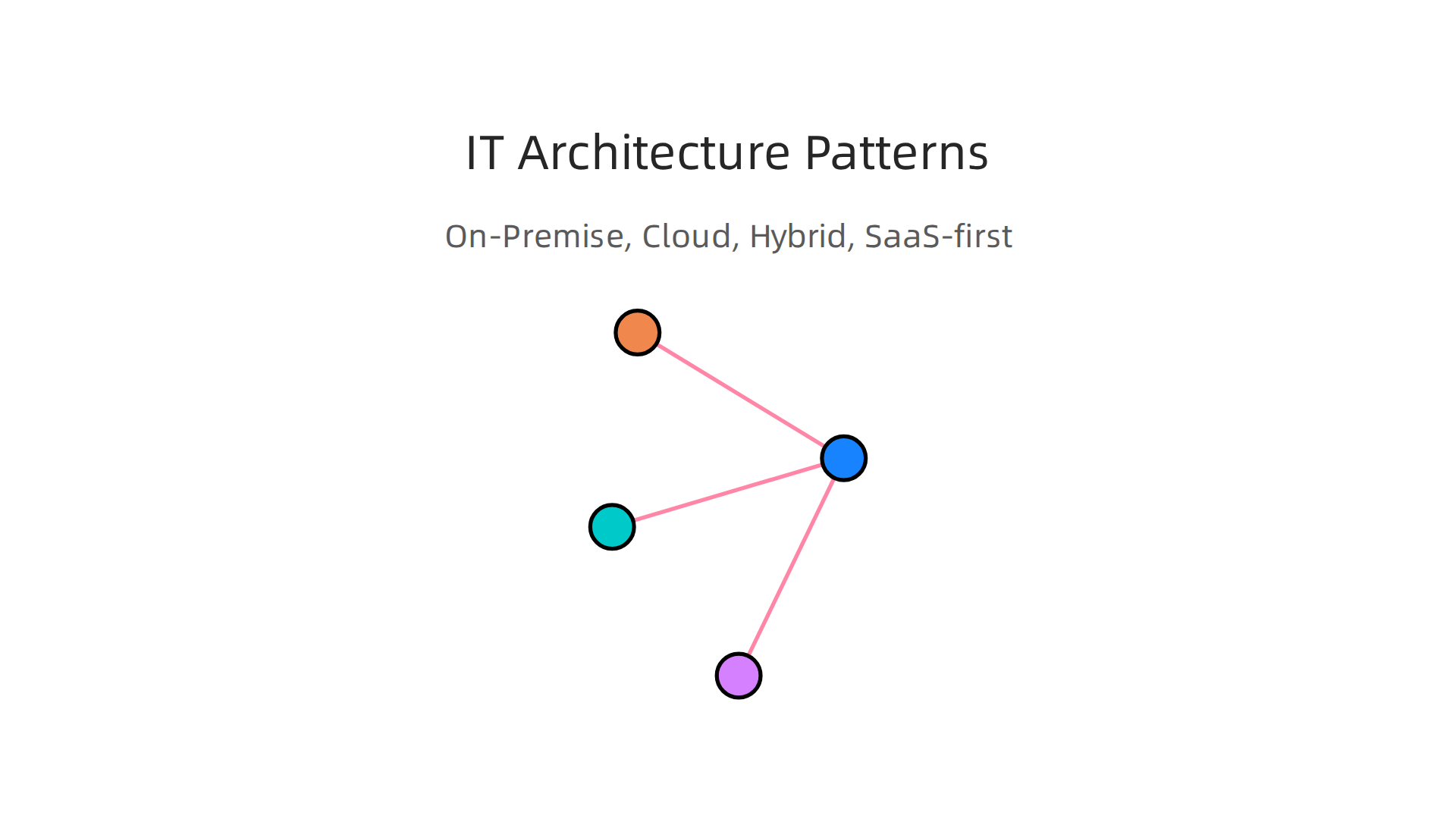
When thinking about where AI will run, there are three main types of places:
- On-premise: This means the AI tools and data stay right on the company’s own computers and servers, inside their own buildings. It’s like keeping all your important files in your own house. This is good for very private information or when speed is super important and the data shouldn’t travel far.
- Cloud: This means the AI tools and data live on big computers owned by another company, like Google or Amazon, that you access over the internet. It’s like renting storage space in a huge, shared building. This is great for handling lots of data and tasks that grow or shrink often, because it’s flexible and can be cheaper for big jobs.
- Hybrid: This is a mix of both on-premise and cloud. Some AI runs on the company’s own machines, and some runs in the cloud. Many companies, especially big tech companies like Roper Technologies, use a hybrid approach in 2026. This is because some information is too sensitive to leave the company’s own computers, while other tasks need the power and flexibility of the cloud Hybrid AI Architecture: 6-Criterion Decision Matrix (2026). For example, very important customer data might stay on-premise, while AI that helps with general market research might run in the cloud. Experts say that a hybrid setup is often the best choice for many organizations to run AI Best US Cloud Providers 2026: AI First, Hybrid, and Edge Compute.
The reason for choosing a hybrid model is clear in 2026: most smart AI products need to run in different places. The cloud can handle big bursts of computer work, while on-premise systems keep very private data safe. Smaller, quick tasks can even run on devices right where the action happens, sometimes called "edge" computing The Strategic Guide to Cloud, On-Prem, and Edge …. This mix helps Roper’s various tech companies, from those dealing with sensitive health data to others handling factory sensors, use AI in the best way.
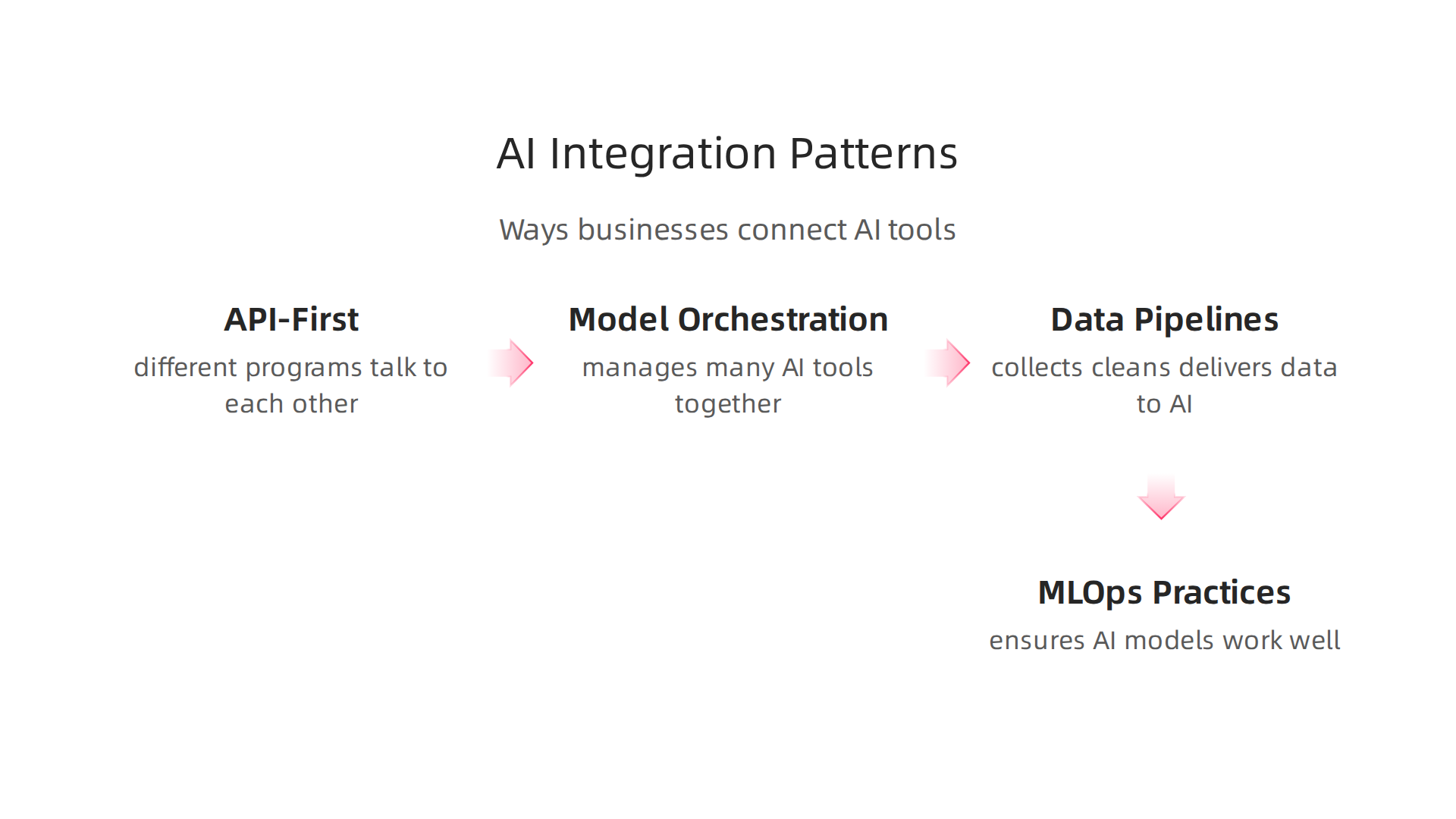
Next, let’s look at how AI fits into what’s already there. This is called "integration patterns." Roper’s companies already have many software programs and systems. They don’t want to throw everything out. Instead, they want to add AI to what they already use.
- Embedding Models: This means putting the AI directly inside existing software. For example, the AI that predicts when a machine might break down can be built right into the software that controls the machine. This makes the existing software smarter without needing a whole new system.
- APIs (Application Programming Interfaces): Think of APIs as special doorways that allow different computer programs to talk to each other. An AI program might have an API that lets Roper’s older systems ask it questions and get answers. This is a common way to connect new AI features to older systems without a lot of trouble. Using "microservices architectures" is a popular way to make these connections strong and flexible in 2026 Top Enterprise AI Integration Solutions for 2026 – What is Antelope 7?.
These ways of setting up and connecting AI are important for Roper Technologies. They help make sure that each of their businesses, whether it’s a software company or an industrial tech firm, can use AI effectively to solve its unique problems. It’s about finding the right technical pathways for each situation to make sure AI adds real value. Learning more about how identify AI leadership discover top tech companies for business in 2026 can offer more insights into how different companies manage these complex technical decisions.
Putting new AI tools into a company like Roper Technologies is not just about choosing the right setup. It’s also about being very careful. Just like building a strong house, you need to think about rules, safety, and making sure everything works right. For companies like Roper that are quickly bringing in new AI tools across their many businesses, these concerns are even bigger. For example, Roper Technologies saw a big jump in AI innovation across its various parts in early 2026, which makes good rules even more important Roper Technologies investor relations material.
Risks, compliance, and governance: what buyers and partners should watch for
When any business, big or small, buys or partners with AI tools, they must think about three main things: risks, following rules (compliance), and how they manage everything (governance).

Following the Rules (Compliance and Regulations)
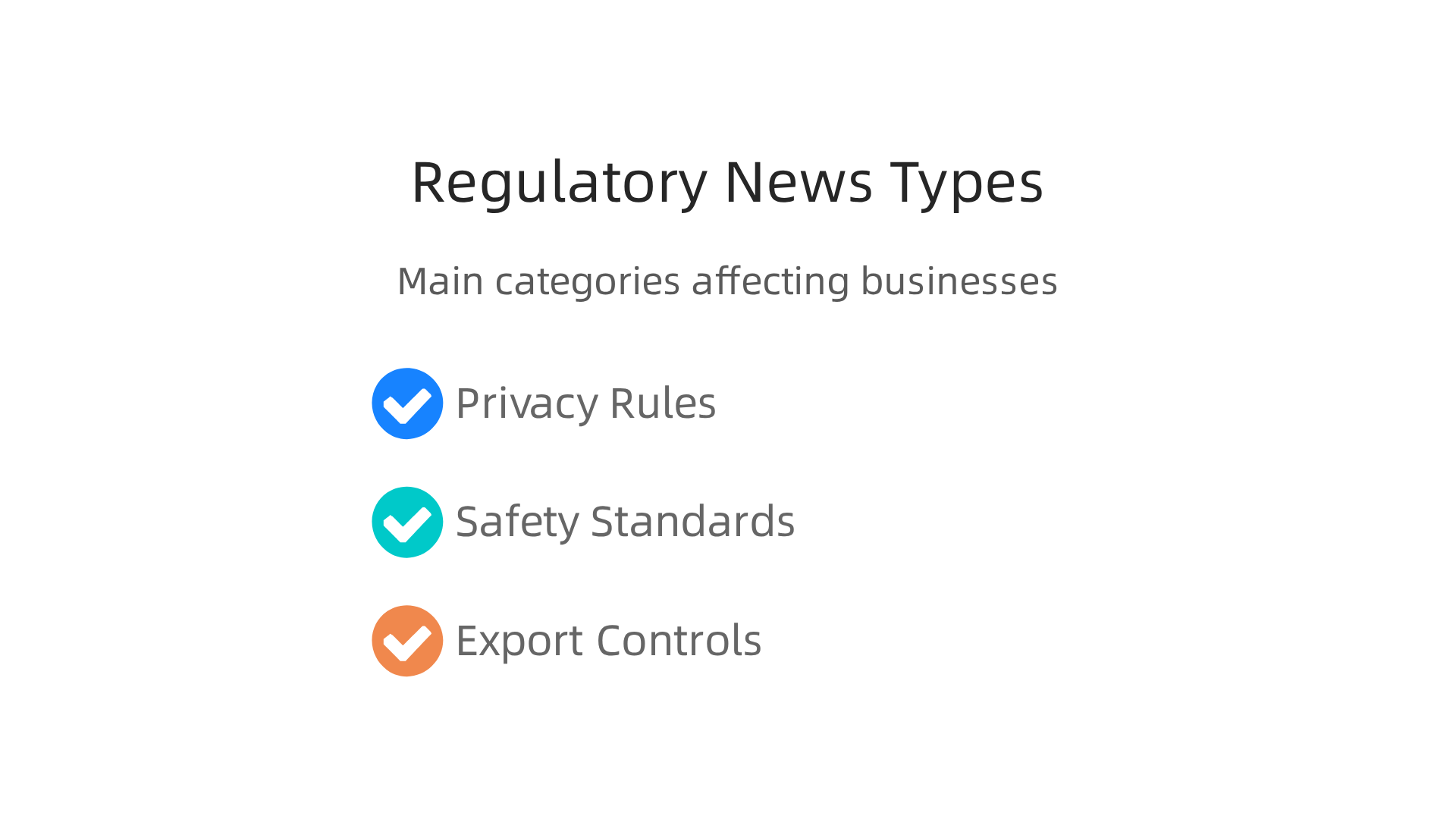
Different types of businesses have different rules. For example, a Roper company that works with health information must follow strict rules about keeping patient data private. This is called data privacy. If AI systems handle this data, they must also follow these rules. In other industries, like making factory tools, the AI might need to be extra safe to avoid accidents. This means thinking about how the AI could make mistakes and hurt people or cause damage.
As more tech companies use AI, governments are making new rules about how AI should be used fairly and openly. Roper’s many businesses, including those like Infineon Technologies or iRhythm Technologies, need to keep up with these changes to avoid problems.
Watching Over AI (Vendor Governance and Model Risk Management)
When Roper Technologies uses AI tools from other companies, they need to check on those companies very carefully. This is called "vendor governance." It means asking:
- Is the AI provider trustworthy?
- Do they keep data safe?
- How do they ensure their AI is fair and doesn’t make bad decisions?
This also includes "model risk management." This is about making sure the AI models themselves work as they should. Sometimes, an AI might seem to work well, but it could have hidden problems that show up later. It’s important to test these models over and over.
Being Able to Check (Auditability)
Lastly, it’s very important that companies can "audit" their AI. This means being able to look back and see how an AI made a certain decision. If an AI gives advice or takes action, you should be able to understand why. For example, if an AI in a hospital helps a doctor, the doctor needs to know how the AI came to its conclusion. This helps build trust and fix problems if the AI makes a mistake.
For any business, picking the right AI solutions also means picking partners who understand these important points. Learning how to choose the right enterprise AI platforms 2026 and trusted tools can help companies like Roper make smart decisions. This makes sure that AI brings good results without causing new problems.
Checklist: Key Questions to Include in RFPs for AI-Enabled Features
To make smart choices about AI, companies need to ask the right questions upfront. This is often done through a "Request for Proposal" or RFP. An RFP is like a detailed questionnaire sent to different AI providers to see how well they can meet a company’s needs. It helps businesses like Roper Technologies pick the best partners. Think of it as a playbook for buying AI, especially in 2026, when so many new tools are coming out The 2026 Enterprise AI Procurement Playbook: RFPs, Vendors ….
Here are some important questions to include in an RFP:
How the AI Thinks (Explainability)
It’s important to know how an AI makes its decisions. If an AI suggests something, you should understand why. For example, if an AI helps a doctor, the doctor needs to know how the AI got its answer. This means asking:
- "Can you show us how your AI comes up with its answers?"
- "If the AI makes a mistake, how can we trace back what happened?"
- "How often do you test your AI to make sure it’s fair and accurate?"
Keeping Data Safe (Data Handling)
Data privacy is a big deal, especially for companies working with sensitive information, like iRhythm Technologies in healthcare. When you use an AI tool, you give it your company’s data. So, you must ask:
- "Where will our data be stored?"
- "Will our data be used to train your AI for other customers?" (Many companies want a "zero-training" promise for their data AI Agent Procurement Checklist 2026: 60 Questions Before You).
- "Who will have access to our data?"
- "What steps do you take to protect our data from hackers?"
How Well It Works (Service Level Agreements, or SLAs)
You need to know that the AI will work reliably. SLAs are like promises about how good the service will be. For tech companies like Infineon Technologies that rely on precision, these details are key. Ask about:
- "How often might the AI system be down for maintenance?"
- "If the AI breaks, how quickly will you fix it?"
- "How fast will the AI give us answers or perform tasks?"
Prioritizing Your Questions
Not all questions are equally important for every business. Companies like Roper Technologies should think about what matters most to their specific operations. For a company handling patient data, data privacy questions will be at the top of the list. For a business like Pathway AI using AI in manufacturing, questions about uptime and performance might be more critical. The goal is to focus on questions that deal with the biggest risks and have the largest impact on your business. Learning how to choose AI for business tools that deliver real results in 2026 helps ensure that you focus on what truly matters.
How to evaluate Roper (or a Roper-backed solution) for your use case: a step-by-step framework
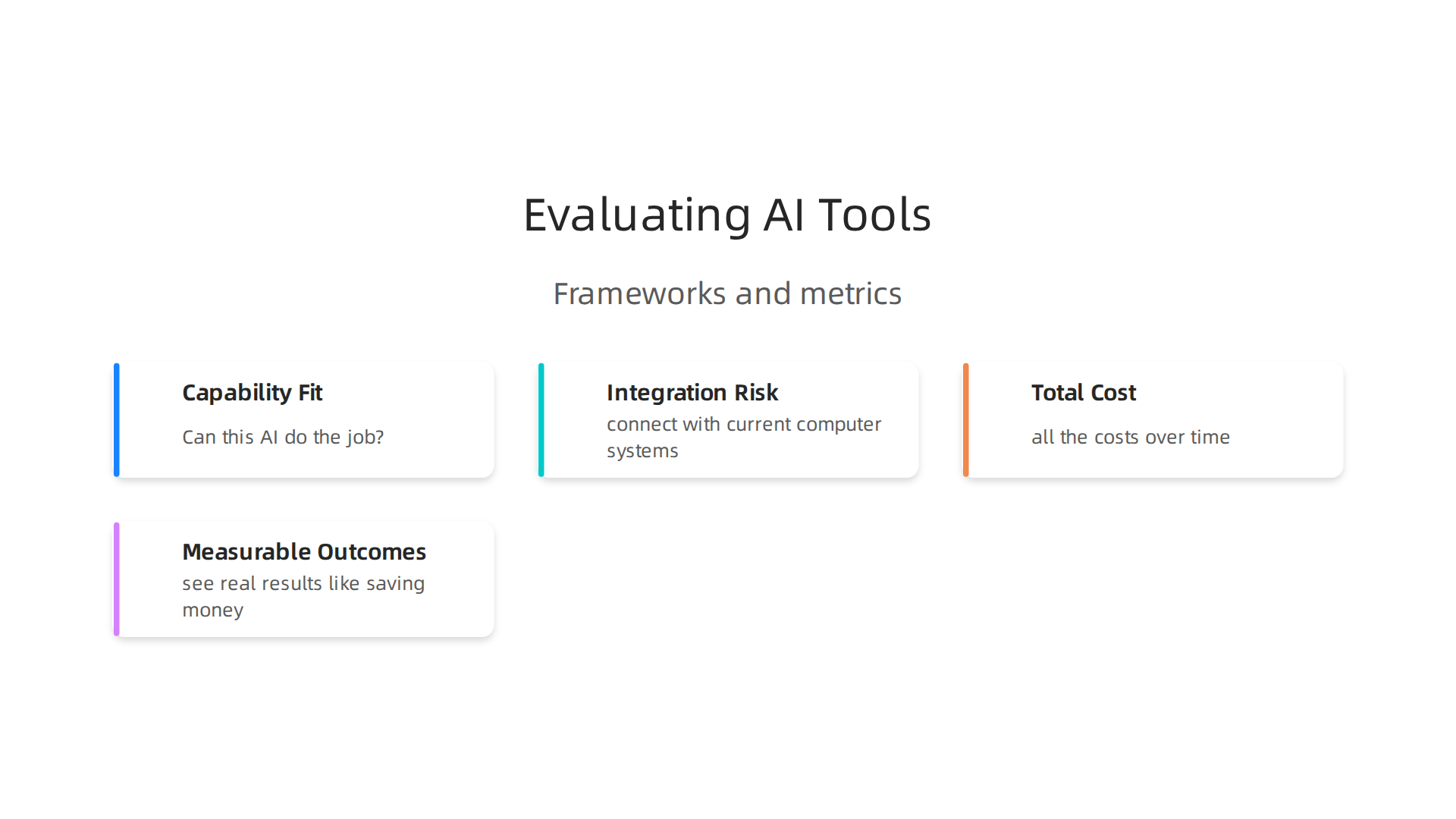
After asking the right questions with an RFP, the next big step is to properly evaluate the AI solutions you are considering. This is especially true if you are looking at tools from large tech companies like Roper Technologies, or solutions backed by them. To make sure you pick the best fit for your business in 2026, here is a simple plan.
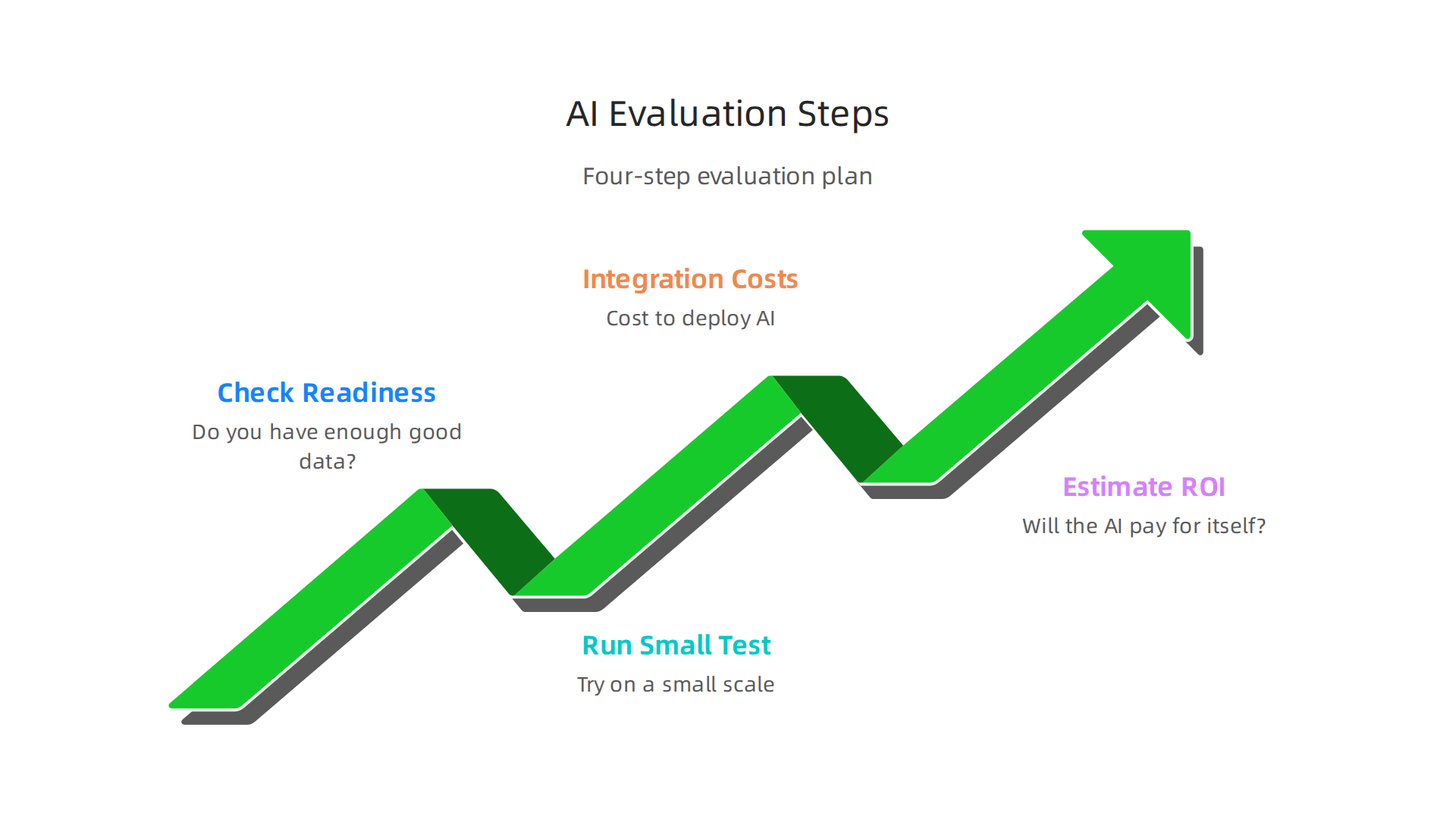
1. Check Your Company’s Readiness
Before bringing in any new AI, you need to know if your company is ready.

This means looking at a few things:
- Data: Do you have enough good data for the AI to learn from? Is it clean and easy to use?
- People: Do your employees have the skills to work with AI tools? Do they understand how AI will help them?
- Systems: Can the new AI easily connect with your existing computer systems?
Companies like iRhythm Technologies, which handle lots of sensitive patient data, must ensure their systems are ready for secure data sharing with new AI tools.
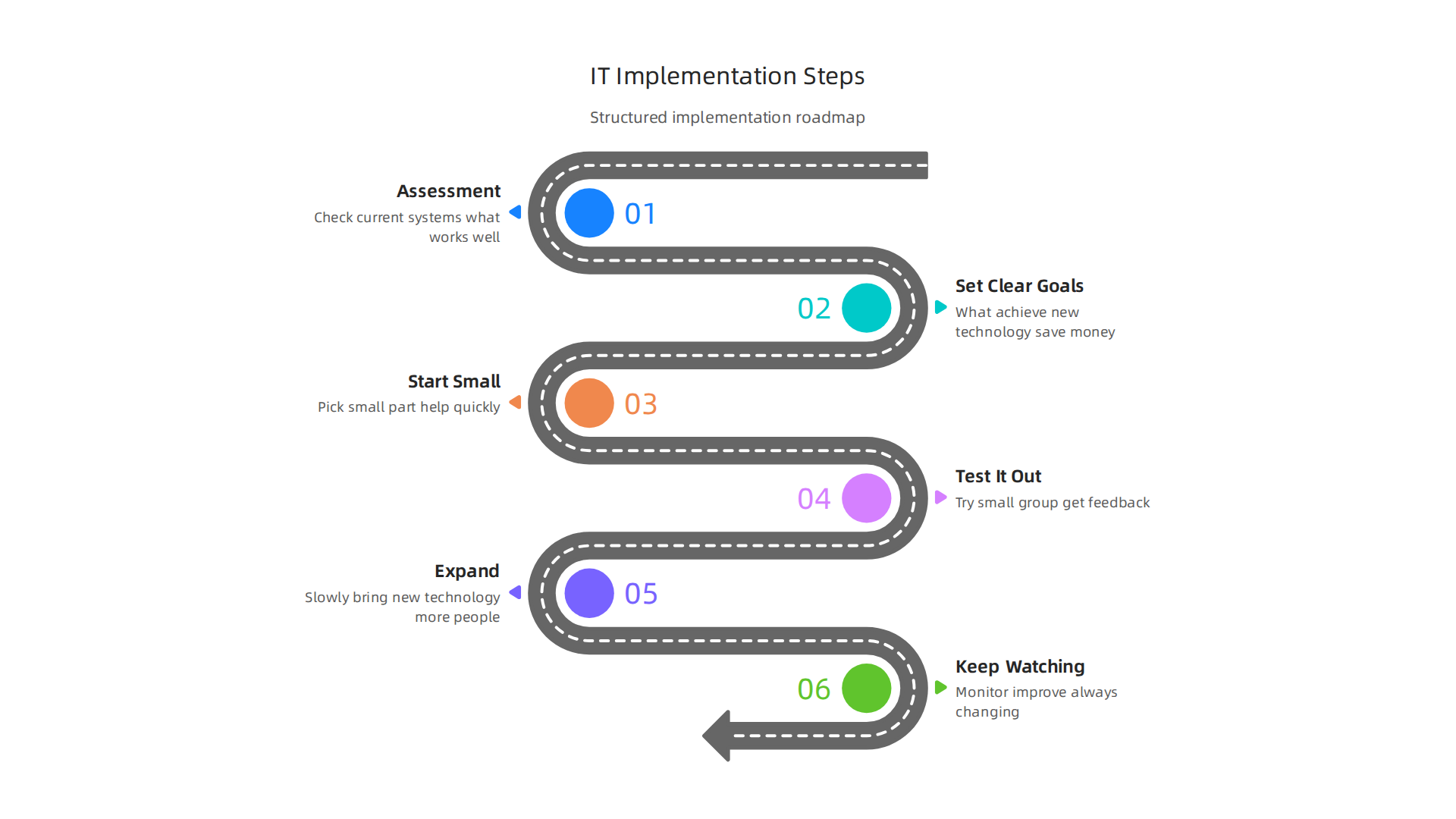
2. Run a Small Test (Proof-of-Concept)
Don’t buy a big AI system right away. Instead, try it out on a small scale. This is called a proof-of-concept or pilot project.
- Pick a small problem: Choose one clear problem the AI can help solve. For instance,
Pathway AIin manufacturing might test AI to predict when one machine will break down. - Use templates: Many vendors offer templates for these pilots. These help you set up the test, figure out what to measure, and understand how the AI will work.
- Watch closely: During the test, check how well the AI performs. Does it save time? Does it make things more accurate? This helps you understand its real value.
3. Figure Out Integration Costs
Connecting a new AI tool to your current systems can sometimes cost a lot. You need to know:
- Setup fees: What does it cost to get the AI up and running?
- Compatibility: Will the AI work smoothly with your other software? Modern AI solutions often use a mix of cloud and on-premise setups to fit different company needs, especially for regulated data The Strategic Guide to Cloud, On-Prem, and Edge …. Many solutions today use what’s called a hybrid architecture, combining different types of computing environments to make sure everything works together well and securely Hybrid Cloud and AI: The New Enterprise Architecture.
4. Estimate How Much Money You’ll Make or Save (ROI)
Return on Investment (ROI) is about whether the AI will pay for itself and then some. For Infineon Technologies, this means looking at how AI can cut costs or improve products.
- Focus on high-value tasks: AI works best for things like predicting when machines need fixing (called predictive maintenance) or checking product quality with computer vision. These often show big returns. For example, AI-driven predictive maintenance can lead to a 30% to 50% drop in machine downtime and a 300% to 500% ROI in manufacturing AI in Manufacturing: Use Cases, Benefits, and ROI (2026 …).
- Set clear goals: Before you start, decide what success looks like. Will it be fewer broken machines, faster work, or happier customers? Identifying high-impact use cases where AI can quickly deliver measurable wins is crucial for scaling AI in manufacturing Scale and grow with AI for manufacturing.
- Measure everything: Keep track of the improvements. This will show you the true value of the AI solution.
Learning how to choose AI for business tools that deliver real results will guide you to the right solutions for your company.
To stay on top of all the latest AI developments and make the best decisions for your business, consider getting regular updates. Get clear daily AI updates from The AI Newsletter Worth Reading.
Procurement and vendor strategy: negotiating contracts, SLAs, and support for AI features
After you have learned how to choose AI for business tools that deliver real results, the next big step is getting the right deal. This means talking to vendors, like large tech companies such as Roper Technologies, about contracts. A good contract protects your business and makes sure the AI solution works well for a long time. Here are the important parts to think about:
1. Who Owns the Data?
When you use AI, it often needs a lot of your company’s data. You need to be very clear in the contract about who owns this data. Will the AI vendor use your data to make their AI better for other customers? For companies like iRhythm Technologies that deal with very private patient information, this is super important. Make sure your data stays yours and is handled safely.
2. How Will the AI Model Be Updated?
AI models are always changing and getting better. You need to know how often the vendor will update the AI you are using. Will they fix problems quickly? Will new features be added for free, or will you pay extra? This is key for staying competitive, especially if you rely on AI for core tasks like Infineon Technologies might for product quality checks.
3. What Are the Performance Guarantees (SLAs)?
Service Level Agreements, or SLAs, are promises about how well the AI will work. This includes things like:
- Uptime: How often will the AI be available and not broken?
- Speed: How fast will it give you answers or results?
- Accuracy: How correct will its predictions or actions be?
Make sure these promises are in writing. For a company using Pathway AI for critical tasks like predicting machine failures, clear performance rules are a must.
4. What Support and Training Will You Get?
Bringing in new AI means your team might need help learning how to use it. Ask about:
- Training: Will the vendor teach your employees how to use the AI tools?
- Technical Support: What happens if something goes wrong? Who do you call, and how fast will they help?
- Ongoing Help: Will they offer advice on how to use the AI for new problems down the road?
A strong support plan ensures your investment in AI keeps paying off. When picking an AI vendor, remember that many solutions today use a mix of cloud, on-premise, and edge setups to fit different company needs, creating a complex The Enterprise AI Stack in 2026: The Reference Architecture that requires careful consideration in contracting. Also, look for vendors that offer robust integration support, as smooth connection with your existing systems is vital for success in 2026 Top Enterprise AI Integration Solutions for 2026 – What is Antelope 7?.
These points help you set up good agreements with tech companies for your AI needs. Understanding these parts of the contract is just as important as choosing the right AI platform itself. For deeper insights into selecting powerful AI solutions, learn more about Enterprise AI Platforms 2026: Top Providers and How to Choose the Right One.
Summary
This article explains why Roper Technologies’ 2026 push into AI matters for product teams, operators, and buyers by showing how a decentralized portfolio company can adopt and scale AI in practical ways. It covers Roper’s acquisition-driven strategy, examples of shipped AI features (like DAT’s Load Recommendations), and a recent CentralReach purchase that illustrates domain-specific AI opportunities. You’ll learn common high-value use cases—predictive maintenance, document automation, and pricing optimization—plus the technical choices (on‑premise, cloud, hybrid) and integration patterns (embedded models, APIs) that work best. The piece also outlines procurement tactics: RFP questions, pilot testing, SLA and contract priorities, and how to estimate ROI. Finally, it highlights governance, auditability, and compliance risks buyers must manage when selecting vendor AI solutions. After reading, you’ll have a clear checklist and evaluation framework to test, buy, and govern AI for your own products or purchasing decisions.