
Introduction: The New Creative Frontier
Have you ever stared at a blank page or an empty design canvas, wishing for a creative partner that never runs out of steam?

That is exactly what generative AI promises. And in 2026, tools like Promptchan AI are making that promise real for creators and businesses around the world.
The numbers back this up. According to recent research, the generative AI content creation market size is expected to reach nearly USD 143 billion by 2035. That kind of growth does not happen by accident. It reflects a real hunger for practical AI solutions that actually work. If you are new to evaluating these platforms, our AI tool discovery tips can point you in the right direction.
But here is the thing. With new AI tools launching almost every week, how do you know which ones are worth your time? Information overload is a real problem. You do not need more hype. You need clear, practical guidance.
That is what this guide is all about. We cut through the noise to give you a focused look at what Promptchan AI offers, how it compares with platforms like Creatify AI, Haiper AI, and Stability AI, and how you can use these tools to get better results in less time.
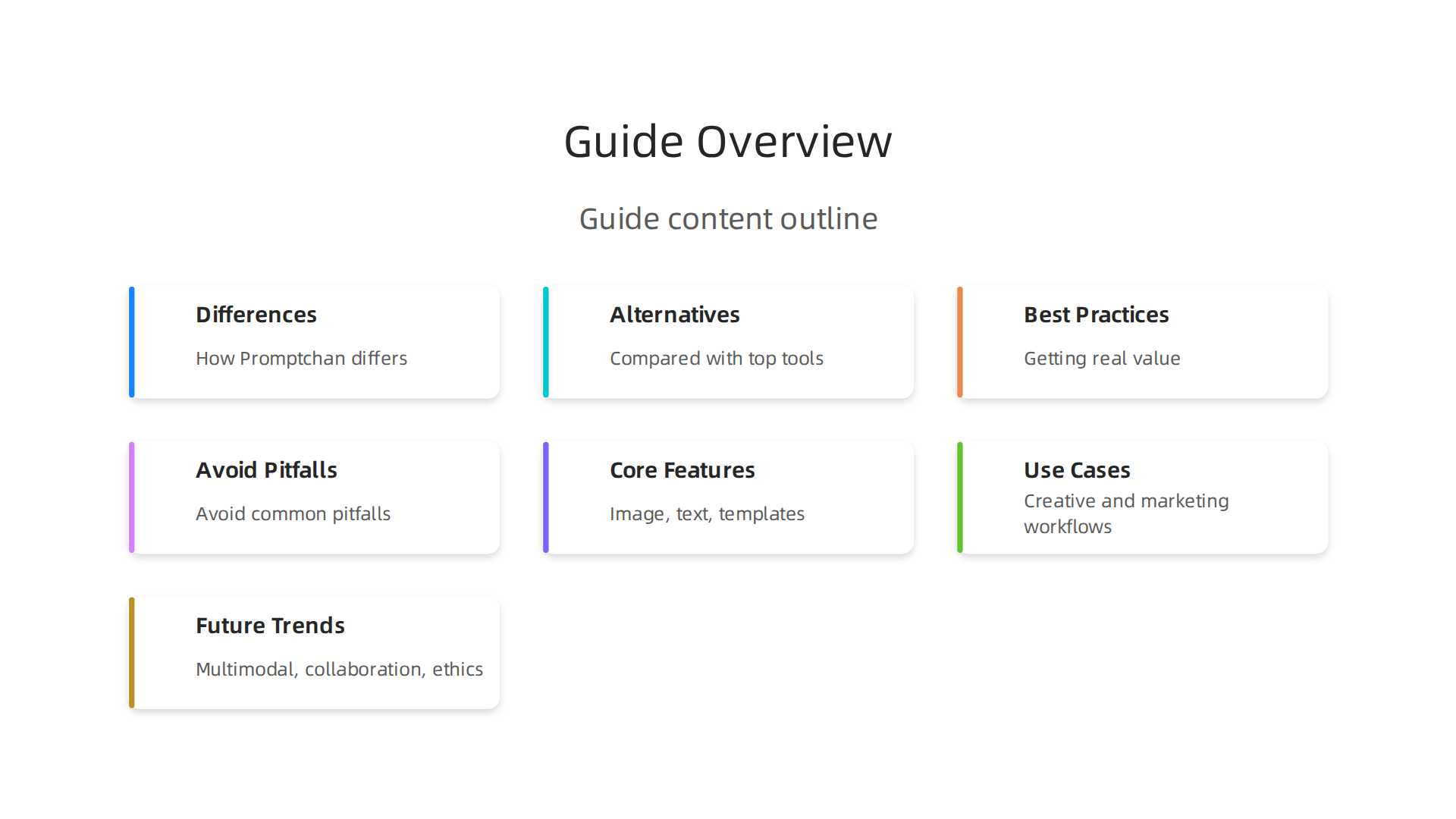
Here is what we cover:
- What makes Promptchan AI different from other AI tools
- How it compares with the top alternatives in 2026
- Best practices for getting real value from your AI investment
- Tips for avoiding common pitfalls when adopting new AI tools
Whether you are a solo creator, a marketer, or a business owner exploring AI for the first time, this guide is here to help. If you want to stay ahead of the latest trends without the overwhelm, The Deep View Newsletter delivers clear daily AI updates straight to your inbox. Let us dive into the new creative frontier and see what Promptchan AI can really do.
What Is Promptchan AI? A Comprehensive Overview
So what exactly is Promptchan AI? Think of it as a specialized creative partner built for generating images and videos from text descriptions. You type in what you want to see, and the AI brings it to life. It is a browser-based platform that focuses on artistic and creative content, with a strong reputation for handling complex prompts accurately.
The technology underneath is what makes this possible. Promptchan AI uses multiple underlying models to generate its outputs. This includes variants of Stable Diffusion, along with its own fine-tuned models that are trained specifically for creative tasks. The result is a tool that understands detailed instructions and turns them into visuals across many styles. As one detailed analysis explains, the platform is known for its ability to handle multi-part prompts more faithfully than many competitors.
In 2026, Promptchan AI has become a go-to option for creators who want strong prompt control and a wide range of artistic styles. You can generate images that look photorealistic, anime-inspired, or even fully stylized like 3D renders. The platform offers a community gallery with over 20 million user-generated images, giving you endless inspiration for your own projects.
How does it fit into the bigger AI tool picture? You probably know names like ChatGPT for writing and Midjourney for art. Promptchan AI sits in a similar space but focuses more on unrestricted creative expression. It follows a freemium model, with subscriptions starting at a low price point, making it accessible whether you are testing the waters or ready to commit.
For creators who want to understand how different AI platforms compare for business tasks, our guide to choosing AI for business provides useful context. Promptchan AI is one piece of a much larger puzzle, and knowing how it connects to tools like Creatify AI, Haiper AI, and Stability AI helps you build a smarter workflow.
Key Features and Capabilities of Promptchan AI
Promptchan AI packs three core features into one easy-to-use platform. Image generation covers styles from photorealistic to anime, with strong prompt control as shown in a detailed Promptchan AI pricing and features in 2026 review. Text generation comes through the AI companion chat, while prompt templates use weighted tags and 100+ presets to speed up your workflow. This makes it simple to jump from idea to final image without a steep learning curve. For creators looking to streamline their process further, learn how to master your 2026 strategy with AI virtual assistants. To keep up with the rapid pace of AI releases, get daily updates from The AI Newsletter Worth Reading.
Image and Visual Content Generation
When you type a text prompt into Promptchan AI, the platform turns your words into high-quality images in seconds. The engine can generate results at up to 4K resolution. A detailed Promptchan AI pricing and features overview confirms the platform supports styles from photorealistic to anime and hentai. You get strong control through weighted tags and negative prompts, meaning you can tell the AI exactly what to include and what to avoid. The platform also supports multiple aspect ratios for different formats. If the first result is not quite right, you can refine your prompt and generate again.
Compared to dedicated tools like DALL·E 3 and Stable Diffusion, Promptchan AI excels at following complex multi-part prompts faithfully. A PromptChan AI alternative comparison rates its prompt adherence as very strong. However, the platform lacks built-in editing tools like inpainting or outpainting. The native resolution also caps around 1024px, so you may want to use an external upscaler for larger outputs.
For creators exploring different kinds of visual AI tools, see how Meshy AI turns text and images into 3D models in minutes.
Text and Storytelling Capabilities
Beyond generating visuals, Promptchan AI also helps you tell stories. The platform’s Chat 2.0 feature, rebuilt with 8x expanded context memory in the V8 update, lets you build ongoing conversations with AI characters. You can develop a character’s personality, backstory, and reactions over time, treating it like a collaborative writing partner for interactive fiction or roleplay scenarios.
The platform also supports prompt engineering, which is really a form of creative writing. Crafting detailed prompts with weighted tags, emotions, and poses turns you into a director of visual stories. You describe scenes, actions, and moods, and the AI brings them to life. This skillset carries over into other content workflows too — if you can write strong prompts here, you can apply that same clarity to copywriting and social media posts.
For creators who want to maintain a character across multiple images — say, for a comic strip or a visual novel — Promptchan AI’s character consistency feature helps you keep the same look from scene to scene. That makes it easier to tell sequential stories without losing the thread.
If you are exploring how AI can help you write better content in general, check out how to write human-sounding content with AI for practical tips.
Top Use Cases for Creative Content and Prompt Generation
Promptchan AI is not just one tool for one job. It fits into several creative workflows. Here is how different creators can use it.
Marketing professionals can generate product visuals and campaign mockups in seconds.

Instead of waiting for a designer, marketers can type a prompt and get a usable image right away. This speeds up the whole creative process for social media ads and landing pages.
Creative writers and visual artists benefit too. If you are developing a character for a story or game, you can bring that character to life visually. Use prompts to explore different looks, emotions, and settings before settling on the final design.
Educational content creators can build visual aids for lessons or tutorials. A single text prompt can produce a scene that explains a complex idea more clearly than words alone.
For a deeper look at how AI tools like this fit into modern marketing strategies, explore this practical guide on AI inbound marketing frameworks.
If you want to keep up with how AI tools are changing content creation every day, The AI Newsletter Worth Reading delivers clear daily updates straight to your inbox.
Marketing Content Creation
Marketing teams are always under pressure to produce more content faster. That is where promptchan ai shines. Instead of spending hours writing ad copy, email sequences, and social media posts from scratch, you can generate them in seconds with the right text prompts.
The real magic happens when you start A/B testing. You can create multiple versions of a headline or call to action for different audience segments. Test one tone for new subscribers and another for loyal customers. See what sticks without waiting days for a copywriter.
Your CRM and automation tools can also connect directly into this workflow. Generate on-brand content that flows straight into your email platform or social scheduler. This keeps your messaging consistent across every channel.
According to the 2026 guide on AI content marketing, tools like this help small businesses create entire drafts and product descriptions from simple prompts. That frees up your team to focus on strategy and refinement instead of staring at a blank page.
For more on how AI tools integrate with your existing systems, check out this overview of how HubSpot AI streamlines business operations across marketing, sales, and service.
Creative Writing and Storytelling
Writing a novel or a short story takes time and patience. promptchan ai can help you get unstuck fast. Need a plot outline? Type in a premise and get three different story arcs. Struggling with a character’s voice? Generate dialogue options that match their personality.
The tool is especially useful for beating writer’s block. Keep a library of prompt templates ready. When you hit a wall, run a prompt for "next scene ideas" or "conflict twist." You might find a direction you never considered.
Consistency matters in longer projects. Use promptchan ai to check that your tone stays the same from chapter to chapter. You can even ask it to rewrite a passage in the voice of a specific character. This keeps your story feeling whole. As Navigating the Frontier of AI Content Creation points out, AI tools help with editing, tone, and style so your writing sounds polished.
For more on blending human creativity with AI, read this piece on how undetectable AI helps you write content that sounds human.
Visual Art and Design Prompts
Just like writing, visual design gets a big boost from AI. With promptchan ai, you can generate concept art, logos, and social media visuals in seconds. Use negative prompts and style modifiers to fine-tune your results. For example, add "no shadows" or "cyberpunk style" and the tool adjusts instantly.
Once your image looks right, export it directly to tools like Photoshop or Canva for further edits. This lets you keep your creative flow without switching apps. As generative AI use cases for marketing explain, AI tools now create images and videos that fit campaign needs quickly.
For more on transforming text into 3D visuals, check out this guide on AI tools for 3D model generation.
Promptchan AI vs. the Competition: A Head‑to‑Head Comparison
Now that you have seen how promptchan ai handles image generation, it helps to know how it stacks up against other popular tools. Every AI platform has strengths, and picking the right one depends on your goal.

Here is a clear side‑by‑side look at promptchan ai, ChatGPT, Jasper, Midjourney, and Writesonic.
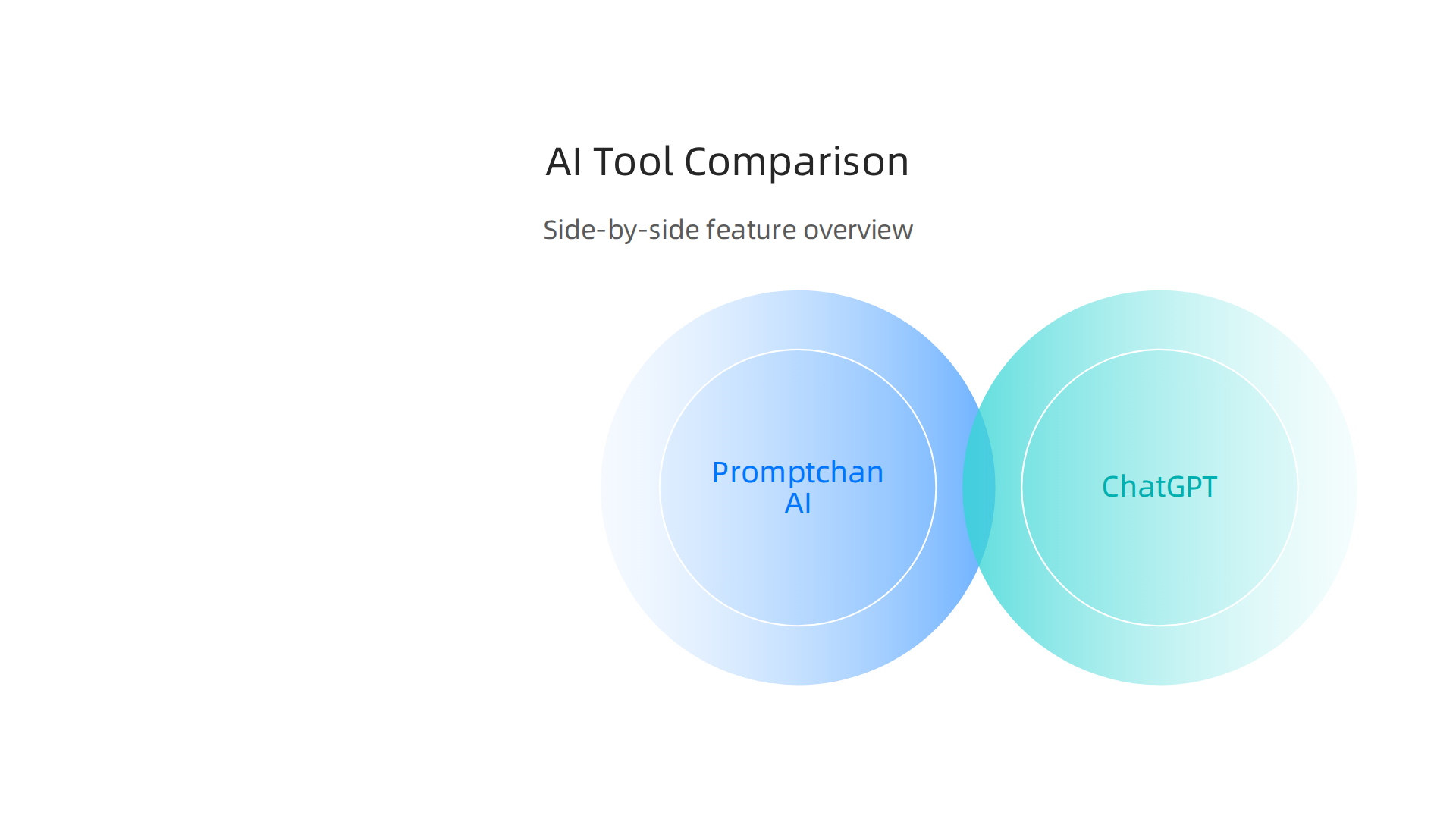
| Tool | Best For | Starting Price | Output Quality | Ease of Use |
|---|---|---|---|---|
| promptchan ai | Visual content, concept art, logos | Competitive (flexible plans) | High: realistic and stylized images | Very easy: natural language prompts |
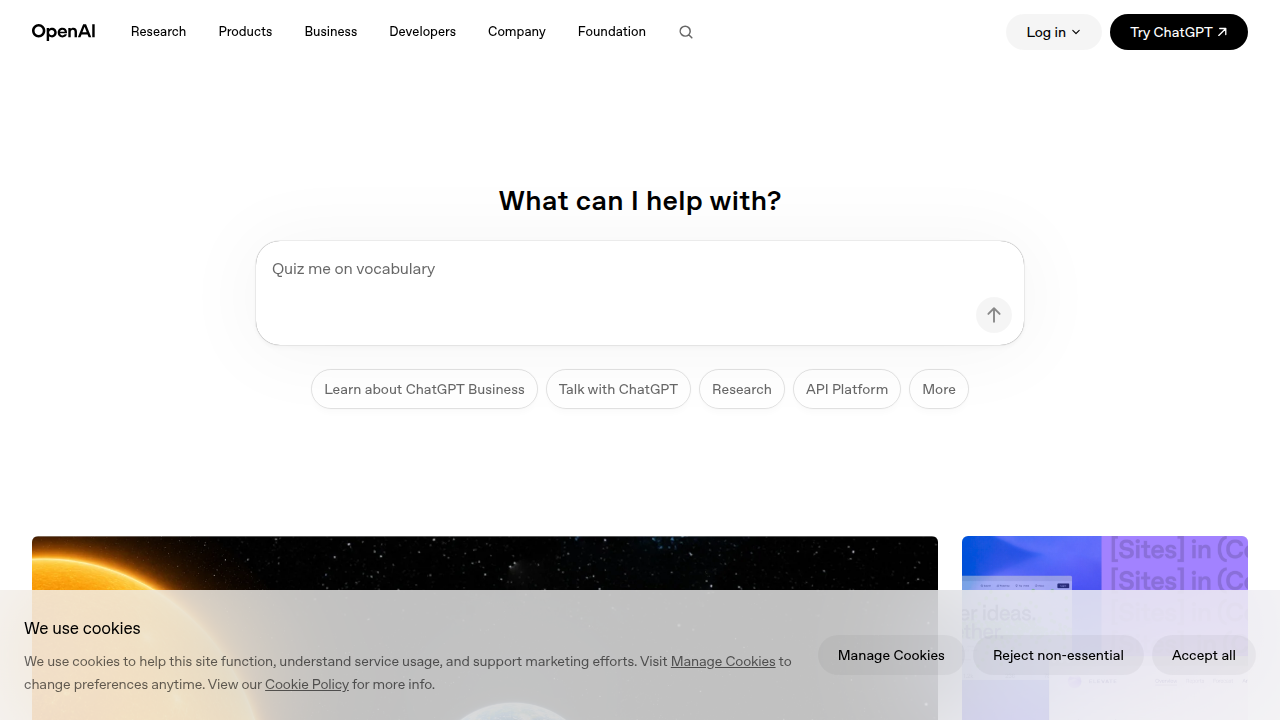
| ChatGPT | Idea generation, writing, research | Starting from $20 per month (Plus) | Good for text, less visual | Extremely simple |
| Jasper | Brand‑aligned marketing content | Starting from $69 per month | High for branded writing, lacks native image gen | Moderate: needs voice setup |
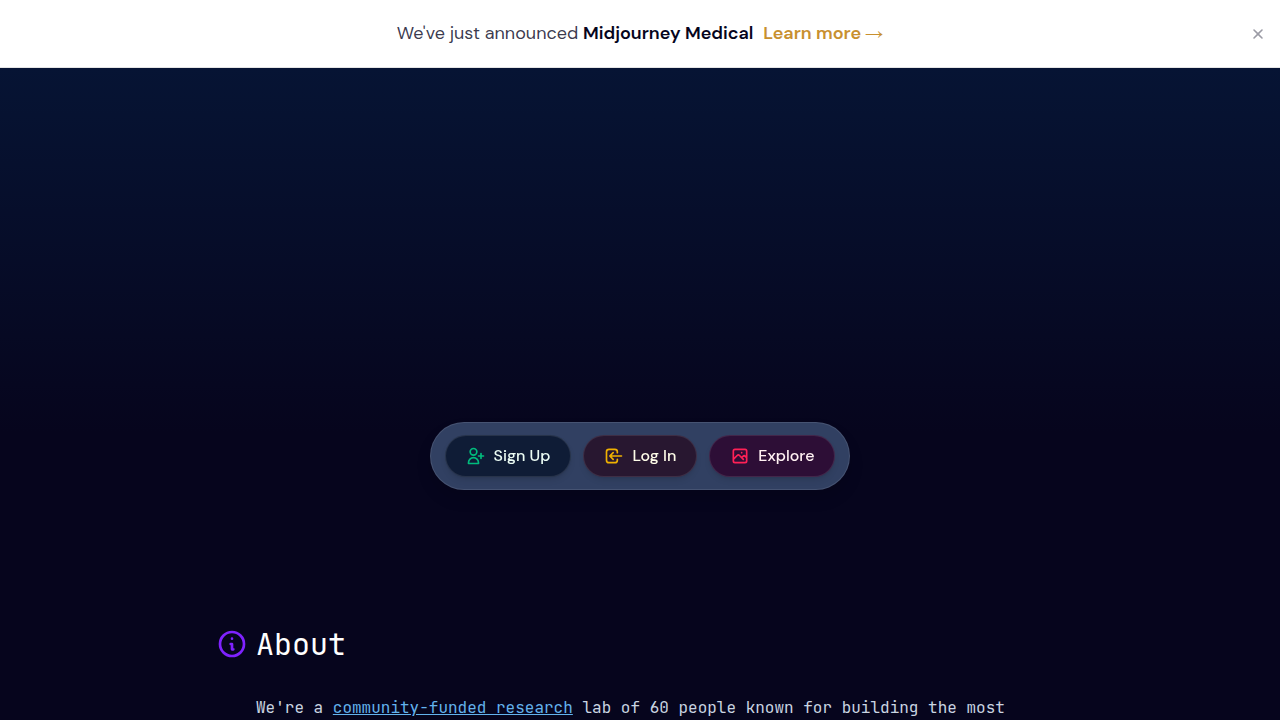
| Midjourney | Artistic, high‑quality images | Subscription (used by teams) | Very high: detailed artistic output | Moderate: requires Discord |
| Writesonic | SEO‑optimized blog posts | Competitive | Good for long‑form SEO content | Easy: guided workflows |
How they compare in real use. ChatGPT and Jasper shine for written content.
Midjourney produces stunning art but needs some learning.
Writesonic is built for marketers who need search‑friendly articles fast. Promptchan ai sits in a sweet spot: it delivers professional visuals quickly without a steep learning curve. You type a description, add a style modifier like "cyberpunk" or "no shadows," and the image appears in seconds. That makes it ideal for creators who want both quality and speed.
For a broader view of how AI tools can fit your daily work, check out this guide on AI tool discovery for business results. It walks through practical ways to evaluate new platforms.
Next step. The AI landscape moves fast. New tools and updates appear every week. Staying on top of what matters saves time and money. That is exactly why people turn to clear, daily insights. The AI Newsletter Worth Reading delivers fresh updates straight to your inbox so you never miss a breakthrough. Give it a try and see how informed choices make your creative work easier.
Best Practices for Effective Prompt Engineering with Promptchan AI
Getting great images from promptchan ai starts with how you write your prompts. Clear, specific instructions make all the difference. Instead of saying "a dog," try "a happy golden retriever puppy on a sunny beach." That gives the AI useful context and constraints. Add a style like "watercolor painting" or "no background" to refine the output even more.
Do not expect perfection on the first try. Test a prompt, see what comes out, then tweak it. Change one word or add a detail and run it again.

That simple loop of iterative refinement is the fastest way to improve results. As experts teach in the latest top prompt engineering trends in 2026, continuous testing beats guessing every time.
Promptchan ai also comes with a built-in prompt library and ready-made templates. Start with those. They show you how successful prompts are structured and save you from starting at a blank screen. Over time, you will learn to blend those templates with your own creative twists.
If you want to dive deeper into evaluating which AI tools fit your workflow, check out this guide on how to choose AI for business tools that deliver real results. It gives practical steps for picking the right platform.
Structuring Prompts for Consistency
The most reliable promptchan ai prompts follow a simple template: role, instruction, context, and output format.
Tell the AI who it is. "You are a fantasy character designer." Give the task. "Create a young elf with silver hair." Add context. "She lives in an enchanted forest at twilight." Specify the format. "Use a semi-realistic art style."
This structure keeps results steady. As Prompt Engineering Best Practices 2026: 5 Rules explains, labeled sections work better than long paragraphs.
Use the same words every time. If you call a style "watercolor" in one prompt and "paint" in another, promptchan ai may shift its output. Consistency in terminology leads to consistency in results.
Save your winning prompts in a document. Test changes one at a time and note what works. This simple habit keeps your best work safe.
For more tips on finding the right AI tools, check out this guide on ai tool discovery in 2026.
Iterative Refinement and Feedback Loops
Your first prompt will rarely be your best. That is totally normal. The real skill with promptchan ai comes from refining based on what you get back.
Look at each output and ask: what is missing? What is wrong? Then adjust only that one thing. As the guide on prompt engineering best practices explains, prompt engineering is never a one-and-done task. Continuous testing lets you evaluate what works and make small fixes.
If the tone feels off, change just the tone instruction. If the format is wrong, fix only that part. Test again. Repeat.
Promptchan ai remembers your conversation history. Use this to your advantage. Instead of starting from scratch each time, build on what the model already knows. "Remember how I wanted that fantasy character last time? Now give me a sci-fi version with the same level of detail." This saves time and keeps results consistent.
Teamwork helps too. Share your working prompts with colleagues. Let them test your prompts with different inputs. They will spot gaps you missed. A fresh pair of eyes often catches a vague instruction or a missing constraint.
For more on choosing the right tools for your workflow, check out this guide on enterprise AI platforms 2026. It helps you match platform features to your specific needs.
Future Trends in AI Creative Content Generation
As AI tools get smarter, the way we create content keeps changing fast. If you have been refining prompts with promptchan ai, you are already seeing how powerful these models can be. But what comes next? Let us look at three big trends shaping the future of AI creative content generation.
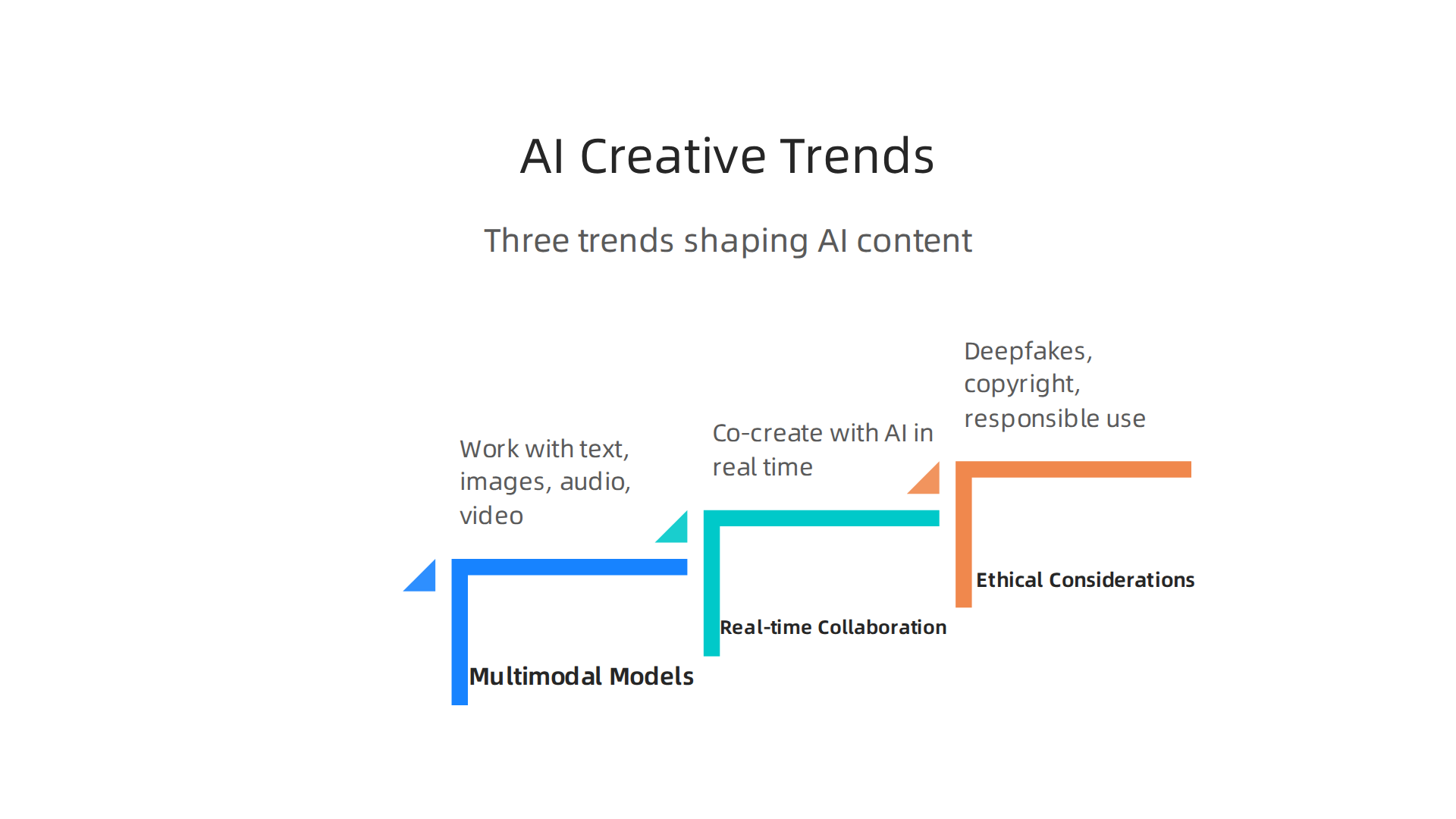
First up: multimodal models. These are AIs that can work with text, images, audio, and video all at once. Instead of describing a scene in words and then switching to a different tool for the video, you give one prompt and get back a full package. For example, you might type a sentence and get a short video clip with matching music and narration. This is no longer science fiction. In fact, a 2026 report on AI marketing trends calls multimodal marketing "table stakes by Q3 2026." Tools like Runway Gen-3 and Pika 1.5 now generate 1080p video from text in under five minutes. That means promptchan ai users can expect to create richer, more engaging content with less back-and-forth.
Second, real-time collaboration and editing is becoming a standard feature. Soon you will not just send a prompt and wait for an output. You will co-create with the AI in real time, tweaking colors, voices, or scenes as the model generates them. Think of it like editing a document with a smart assistant that never gets tired. This shift makes tools like creatify ai, haiper ai, and stability ai even more useful for teams working on tight deadlines. If you want to learn more about how AI is changing the balance between human input and machine output, check out this piece on human or AI creativity.
Third, and most important: ethical considerations. As AI content floods the internet — a LinkedIn analysis notes that by 2026, AI-generated content will likely exceed human-made content online — we face real risks. Deepfakes are a growing problem. According to data from the Generative AI trends report, Resemble AI logged 2,031 verified deepfake incidents in just the third quarter of 2025, more than all of 2024 combined. And humans are bad at spotting them: only 24.5% of people correctly identify high-quality deepfakes. That is worse than a coin flip.
Copyright is another sticky issue. If an AI generates an image that looks like a famous artist’s style, who owns the rights? These questions are not settled yet. Responsible use means checking outputs, adding watermarks, and being transparent about AI involvement. Promptchan ai itself gives you control over tone and format, but the final responsibility rests with you.
To stay on top of these fast-moving changes, you need reliable information. That is exactly what The AI Newsletter Worth Reading delivers every day — clear updates on tools, trends, and ethics so you can create with confidence.
Summary
This article is a practical guide to Promptchan AI, a browser-based generative platform built to turn text prompts into high-quality visual assets and creative work. It explains how Promptchan combines multiple models (including Stable Diffusion variants and fine-tuned creative models) with features like weighted tags, negative prompts, prompt templates, and a Chat 2.0 companion to support visual storytelling and character consistency. The guide compares Promptchan with tools such as Midjourney, ChatGPT, and Writesonic, and shows which platforms work best for image-first versus text-first tasks. You’ll learn concrete prompt-engineering practices—use role, instruction, context, and format; iterate and tweak one element at a time; save winning prompts—and see real use cases for marketers, writers, and educators. The article also notes practical limits (native editing tools and native resolution caps), the platform’s freemium pricing approach, and how to integrate outputs into design tools. Finally, it outlines future trends like multimodal generation, real-time collaboration, and rising ethical questions about deepfakes and copyright so you can adopt the tool responsibly.
Leave a Reply